

























U.S. Prepares Naval Blockade as Trump Urges End to Iran’s Nuclear Program

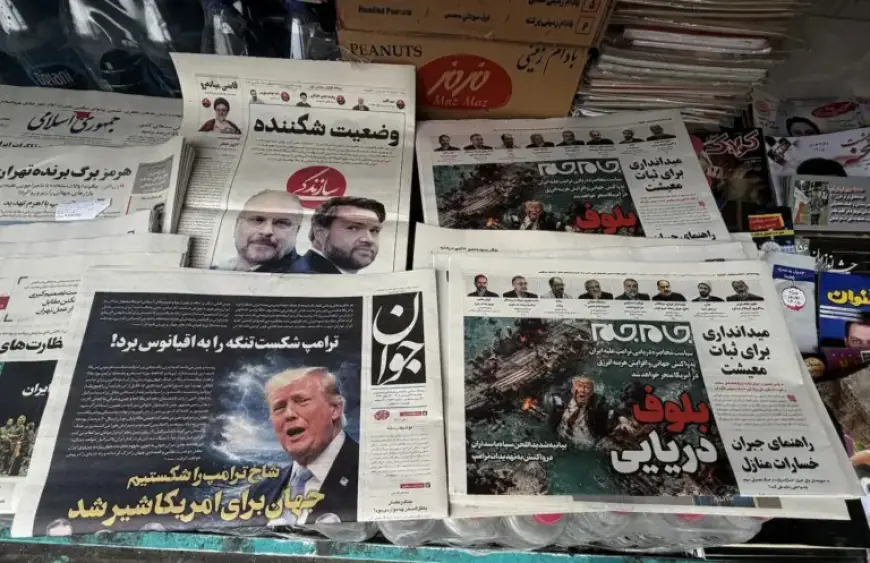
On Monday, the United States initiated a naval blockade amid escalating tensions with Iran. This geopolitical move comes as oil prices have surged past $100 a barrel. The situation is pressing, given that a fragile ceasefire is set to expire in just nine days.
U.S. Naval Blockade and Economic Impact
The naval blockade is a strategic initiative aimed at countering Iranian aggression. As a result, market reactions have been swift, with oil prices soaring. This rise in oil prices directly affects global economies and adds to the urgency of the ongoing standoff.
Ceasefire and Diplomatic Negotiations
A ceasefire has been in place, yet it remains delicate as it approaches its expiration date. Recent negotiations held in Pakistan aimed to foster peace, but these discussions ultimately collapsed over the weekend. This failure underlines the complexity of U.S.-Iran relations.
Key Facts to Note
- U.S. Naval blockade initiated on Monday.
- Oil prices surpassed $100 per barrel.
- Current ceasefire set to expire in nine days.
- Peace negotiations in Pakistan broke down recently.
Implications of the Standoff
The renewed tensions raise concerns over regional stability and global oil supply. As both sides remain entrenched in their positions, the situation could escalate further, prompting international responses. The U.S. continues to advocate for the end of Iran’s nuclear program, emphasizing security in the region.
The developments highlight a crucial period for U.S.-Iran relations and underscore the importance of diplomatic efforts moving forward. As events unfold, both the U.S. and Iran will need to reassess their strategies to avoid further conflict.