
























“Scrubs: Redefining Male Friendship with a Radical Vision”

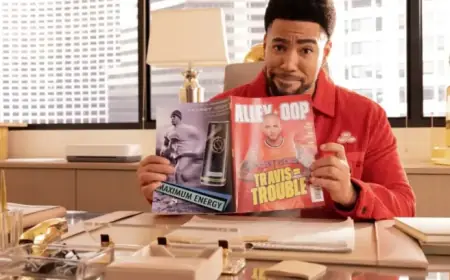
A 2023 opinion piece in Filmogaz.com asked whether pickleball could cure male loneliness. The headline quickly became a meme. Variations joked about Roman legions and “14 beers at Chili’s.”
A rooftop exchange that frames the reboot
The new Scrubs debuted in February, more than 15 years after the original ended. The reboot opens with J.D. and Turk sharing a beer on Sacred Heart’s roof. They discuss a recent article about men calling friends to say goodnight.
The rooftop scene is small and precise. It uses humor to register how men negotiate affection. The exchange signals the show’s interest in redefining male friendship.
Actors and off-screen ties
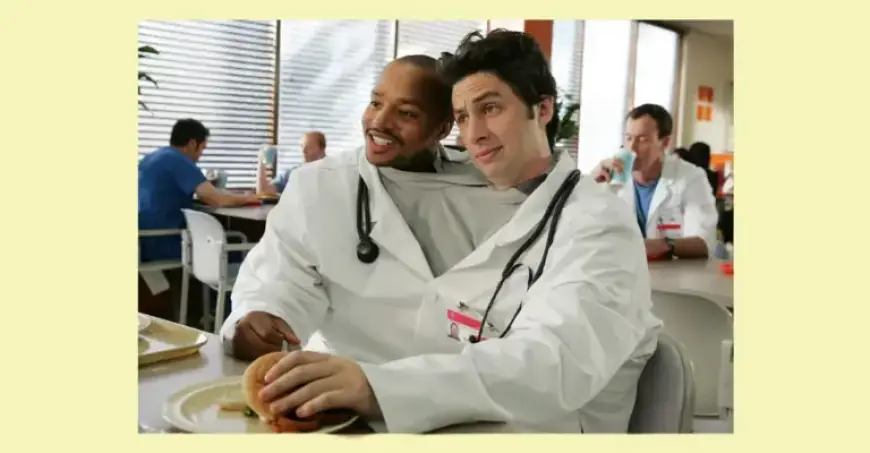
Zach Braff and Donald Faison return as J.D. and Chris Turk. Their chemistry is rooted in a real friendship. Since 2020 they have co-hosted a Scrubs rewatch podcast called Fake Doctors, Real Friends.
They have also worked together on commercials. Faison married in Braff’s backyard. Braff is godfather to two of Faison’s children. Creator Bill Lawrence sometimes drew on their real stories for the show.
How the characters have changed
Several details differ from the original series. Turk is now chief of surgery and still married to Carla, played by Judy Reyes. He is a father of four daughters.
J.D. was divorced after marrying Elliot in the earlier run. He spent time as a concierge doctor for wealthy clients. The reboot later brings him back to Sacred Heart as chief of medicine.
Their friendship endures. Small touches, like friendship bracelets reading “Two Chiefs,” underline that bond.
Cultural context and fresh data
The show returns to a culture more alert to men’s social lives. Over the past two decades, isolation has grown while social time dropped. Those trends have been steeper for men than for women.
Key findings
- A Pew Research Center report published last year found men contact friends less frequently than women.
- A Gallup poll from last year described young American men as uniquely lonely compared with peers in other rich nations.
In contrast, mainstream entertainment only embraced bromance tropes later. Films like Superbad, I Love You, Man, and The Hangover arrived after Scrubs began airing.
Emotional honesty on screen
Scrubs has long juxtaposed silliness and emotional candor. The original pilot established the friendship as central. Over time the show allowed the men to discuss fear, faith, and sorrow.
Moments of open affection became signature beats. The series even staged a musical number that celebrated their bond. The reboot continues to show men who are affectionate and emotionally available.
Limits and learned lessons
The series has not been flawless. Earlier seasons sometimes clarified that the friendship was not romantic. It also featured crude jokes that have not aged well.
The new episodes acknowledge those flaws. A wellness coordinator, Sibby, played by Vanessa Bayer, nudges the staff toward better behavior. The show no longer tolerates bullying of interns the way older episodes once did.
Still, the writers sometimes fall back on old comedic habits. Plotlines occasionally treat promises as excuses to pursue hookups. Those lapses highlight how messy real friendships often remain.
Conflict, repair, and permanence
Scrubs portrays disagreements as part of lasting ties. Episodes show arguments about work, family duties, and racial insensitivity. Characters apologize and adjust, rather than sever ties.
An argument sparked by a missed poker night becomes a moment to negotiate priorities. Another plotline forces J.D. to confront his insensitivity when Turk is tokenized for publicity. These scenes dramatize how friendship can survive real hurt.
A quiet, radical vision
Rather than offering a one-size solution, the show presents persistence. J.D. and Turk choose each other repeatedly. That steady commitment feels like a radical vision for male friendship.
By blending comedy with sincerity, Scrubs models intimacy that many men rarely see onscreen. The result is both comforting and challenging for viewers today.