

























Fed Decision Dismissed Amidst Iran Talks Collapse, Say Investors

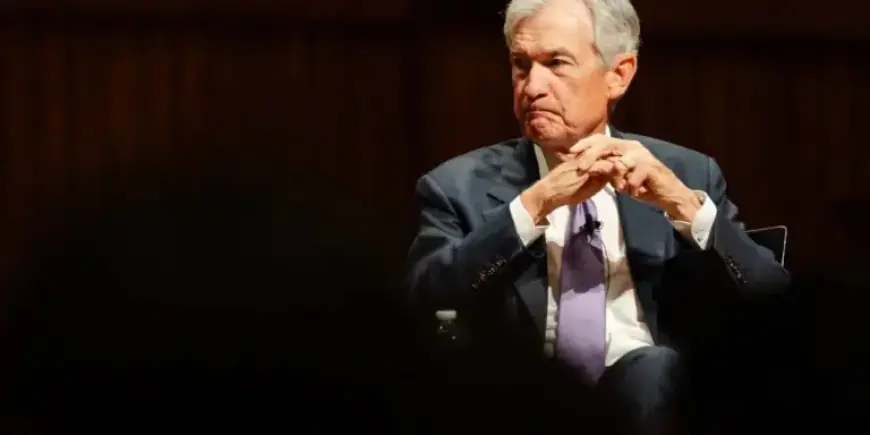
Recent developments regarding Iran have significantly influenced investor confidence and the stance of the U.S. Federal Reserve. As tensions escalate, forecasts for the upcoming Federal Open Market Committee (FOMC) meeting indicate a prevailing consensus among traders.
Current Federal Reserve Interest Rates
The current interest rate range is between 3.5% and 3.75%. According to CME’s FedWatch monitor, there is over a 97% probability that these rates will remain unchanged at the next FOMC meeting scheduled for April 28.
Inflation Impact
Recent inflation data reveals a 3.3% increase in prices over the past year, largely driven by rising gas prices. The ongoing conflict instigated by Iran’s control over the Strait of Hormuz has led to elevated oil prices, creating further complications for the economy.
- Strait of Hormuz is crucial for oil supply, accounting for about 20% of global exports.
- Approximately 20 million barrels of oil pass through daily.
Investor Sentiment and Iran Relations
Negotiations between Iran and the U.S. have recently stalled, with Vice President JD Vance stating that Iran declined the offered terms. A key sticking point appears to be Iran’s nuclear ambitions. Expectations for a lasting resolution have diminished, leading traders to anticipate that the Fed will likely maintain current rates amidst economic uncertainties.
Job Market Stability
Despite inflationary pressures, some positive news exists in the job market. The U.S. Bureau of Labor Statistics reported a nonfarm payroll employment increase of 178,000 in March, with the employment rate stable at 4.3%. This stability could help bolster arguments for keeping interest rates steady during upcoming meetings.
Market Volatility and Fed Watch
Market sentiment can shift rapidly, highlighting the unpredictability of the current economic landscape. Investors remain vigilant, aware that any remarks from federal officials or changes in White House policy could quickly alter forecasts.
Notably, economist Mohamed El-Erian criticized the current volatility in Fed expectations, emphasizing the importance of stability in monetary policy. Financial experts, including UBS’s Paul Donovan, have also cautioned that it is premature to make long-term predictions regarding interest rates, given the complexities of global events, including the ongoing conflict in the Middle East.
As the situation develops, investors and analysts will continue to monitor both the geopolitical landscape and the Fed’s actions closely. The outlook remains uncertain, particularly with inflation trends contrasting the Fed’s target rate of 2%.