


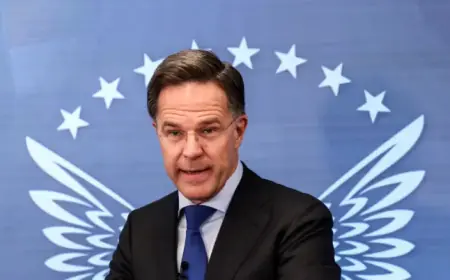






















Hungarian PM Viktor Orbán Ousted After 16-Year Leadership Ends in Election Defeat

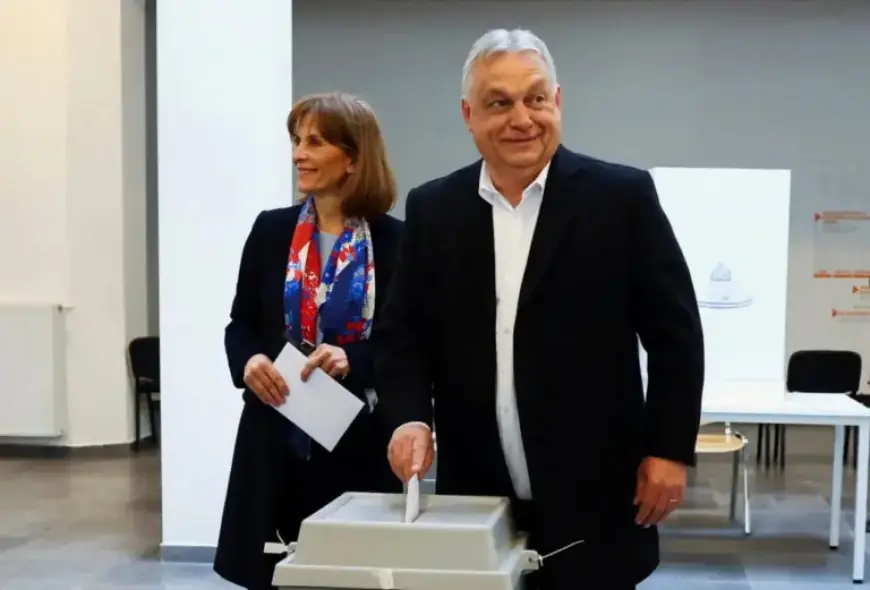
Hungarian Prime Minister Viktor Orbán was ousted during the recent election, marking the end of his 16-year leadership. This significant event occurred on a Sunday when voters chose to reject Orbán’s policies in favor of pro-European candidate Péter Magyar. The election outcome is expected to have global repercussions. Orbán, known for his authoritarian stance and ties with international figures like Donald Trump and Vladimir Putin, conceded defeat shortly after the results were announced.
Election Background
This election was notable for its high voter turnout of nearly 80%, a record in Hungary’s post-Communist history. With 93% of the votes counted, Magyar’s Tisza party secured over 53% of the votes compared to 37% for Orbán’s Fidesz party. Hungarian voters participated in this significant political shift, positioning Magyar to potentially reshape Hungary’s international relations.
Péter Magyar’s Promises
Péter Magyar, a former ally of Orbán who managed to break away from the Fidesz party, campaigned with a focus on corruption and essential public services like healthcare and transport. He pledged to strengthen Hungary’s ties with the European Union and NATO, relationships that had deteriorated under Orbán’s leadership. In his victory speech, Magyar celebrated the moment as a “rewriting of Hungarian history,” emphasizing the victory of truth over falsehood.
- Voters expressed a desire for change, calling for a return to democratic values.
- Many celebrated by chanting anti-government phrases reminiscent of historical protests.
Impact on Hungary and the EU
This electoral upheaval challenges the political status quo within the European Union. Orbán has been one of the EU’s longest-serving leaders and has often used his veto to block significant collective decisions. His departure may lead to a transformation in Hungary’s approach towards supporting Ukraine amid its ongoing conflict with Russia, a point of contention during Orbán’s administration.
Challenges Ahead for Tisza
Despite Magyar’s strong showing, it remains uncertain whether Tisza will achieve the two-thirds parliamentary majority needed for sweeping legislative changes. The party’s victory over Fidesz is a significant milestone but comes with challenges stemming from Orbán’s influence over media and the electoral system.
- Orbán’s government controlled much of the public and private media.
- The electoral system had been altered to favor the Fidesz party, complicating Magyar’s path to reforms.
As Hungary transitions from Orbán’s extended rule, both national and international observers will closely monitor how the new administration navigates its policies, particularly regarding its position within Europe. The shifting dynamics within Hungary may also inspire far-right movements across the globe, previously aligned with Orbán as a figure of nationalistic populism.
Conclusion
Viktor Orbán’s ousting signals a potential shift in Hungary’s political landscape, emphasizing a desire from the electorate for more democratic governance. Magyar’s leadership may redefine Hungary’s role in the EU, while also offering a fresh perspective on essential social issues. As the political landscape evolves, the implications of this election will reverberate throughout Europe and beyond.