























Global Energy Crisis Sparks Increased Coal Dependence

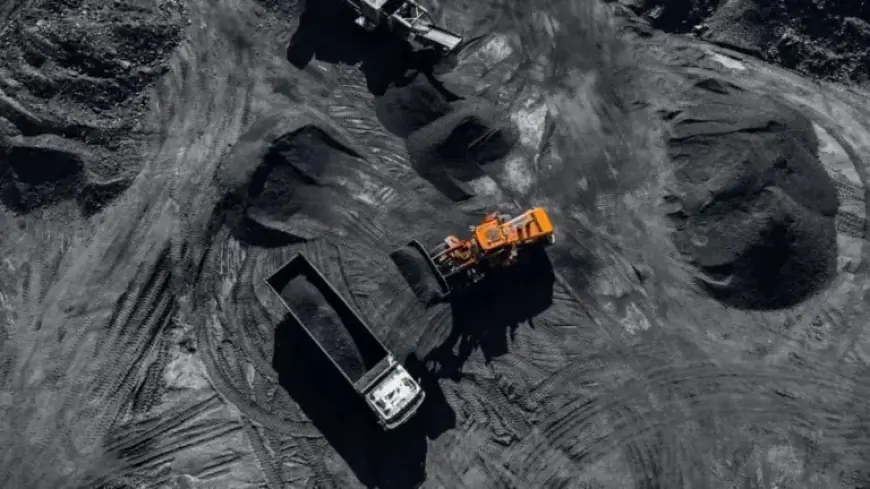
The ongoing global energy crisis has significantly increased dependence on coal as countries grapple with severe energy shortages. The conflict in the Middle East, particularly the war in Iran, has exacerbated these challenges, compelling nations to revert to traditional energy sources. Many had previously reduced reliance on coal in favor of cleaner alternatives, but the current circumstances reveal a stark shift in energy strategy.
Global Energy Shortages and Coal Resurgence
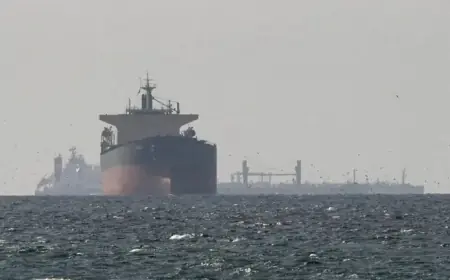
Governments worldwide are facing unprecedented energy disruptions due to geopolitical tensions. An analysis by Rapidan Energy has characterized the recent oil crisis as the most significant in history. The conflict has disrupted a considerable share of the world’s oil supply, particularly affecting the Strait of Hormuz, a crucial artery transporting approximately 20 percent of global oil.
Shifting Energy Strategies
- Countries are tapping into energy stockpiles while reconsidering coal usage.
- Global coal consumption surged by 1.3 billion tons since 2020, now reaching 8.8 billion tons.
- China and India are leading this increase, driven by energy shortages and rising fuel costs.
While many nations are releasing crude oil reserves and urging energy conservation, discussions around restarting coal plants are gaining traction. This approach offers a quicker and less expensive response to energy demands, particularly in regions such as Southeast Asia, where reliance on coal is still significant.
Coal’s Role in Energy Supply
Asia has felt the impact of energy shortages acutely, due to its dependence on oil and gas imports from the Middle East. Countries including Japan, India, Bangladesh, and the Philippines are either ramping up coal use or considering it as a viable solution. Indonesia, the largest coal exporter globally, is focusing on domestic consumption, which may lead to tighter regional supply and increased coal prices.
South Korea, aiming to transition away from coal by 2040, has had to allow coal usage during periods of low air pollution and LNG shortages. Currently, green energy contributes only 10 percent of its electricity, significantly below the global average of 32 percent.
European Coal Usage Trends
In Europe, while many nations have curtailed coal production, some are reconsidering their commitments due to current energy needs. Italy recently postponed the closure of its coal-fired plants until 2038, marking a significant policy reversal. Germany is also debating whether it needs to reactivate idle coal facilities.
However, European leaders are cautiously exploring alternatives to coal to maintain their climate commitments. A revival of coal reliance could derail the progress made in reducing carbon emissions over the past decade.
Implications for Global Climate Goals
As countries navigate the energy crisis, a resurgence in coal usage poses a serious threat to global climate initiatives. Reactivating coal plants could significantly undermine the advancements in decarbonization. The challenge remains to balance immediate energy needs with long-term environmental responsibilities.
Overall, the growing dependence on coal highlights the fragility of the global energy landscape amid geopolitical strife and underscores the urgent need for sustainable energy solutions. Filmogaz.com will continue to monitor developments in the energy sector as nations seek to emerge from this crisis.