






















Reading Museum Secures £80k for New Roman History Gallery

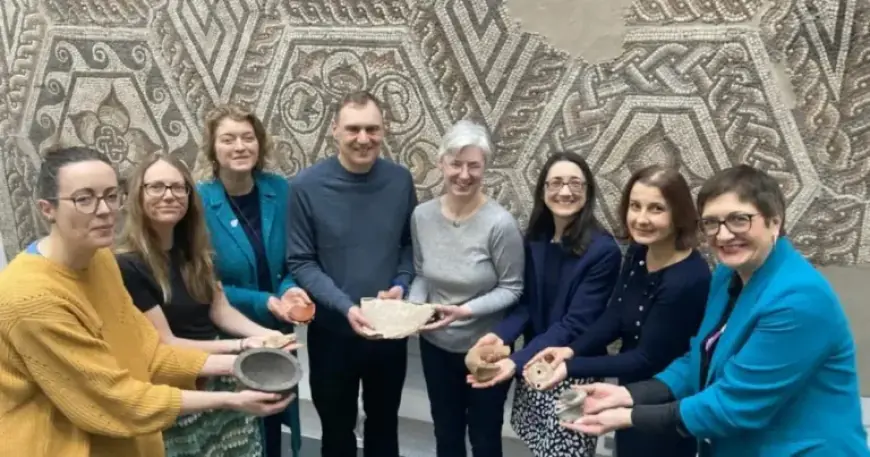
Reading Museum has secured an £80,000 award to develop a new Roman history gallery. The grant comes through the DCMS/Wolfson Museums and Galleries Improvement Fund.
The funding will back the museum’s Roman Britain – Reimagined in Reading project. The scheme aims to bring local Roman archaeology to wider audiences.
Funding package
The £80,000 award forms part of a larger financing plan. The National Lottery Heritage Fund contributes £714,785 to the project.
Additional cash contributions total £236,808. Non-cash support, such as volunteer time and in-kind expertise, is valued at £28,000.
- £94,000 from The Earley Charity
- £25,000 from Graham and Joanna Barker
- £15,000 from the Friends of Reading Museum
Combined funding for the scheme exceeds £1.19 million. This pooled investment will deliver the gallery and its programmes.
Collections and academic input
The exhibition will display around 1,000 artefacts from Roman Calleva, modern-day Silchester. Highlight pieces include the Silchester Eagle and the Iron Age Silchester Horse.
The early Christian Caversham Font will also feature. The University of Reading’s archaeology department will contribute specialist expertise.
Professor Mike Fulford is leading the department as it completes the final stage of publishing five decades of Silchester research. The academic team will help shape the gallery’s interpretation and displays.
Exhibition design and visitor experience
The gallery will recreate Roman spaces and provide 3D-printed handling objects for visitors. Designers plan an immersive environment with tactile elements, evocative sounds, and period-inspired smells.
Development was informed by broad community feedback. Input came from low-income families, people with visual impairments, neurodivergent visitors, schools, and volunteers.
Consultation found strong demand for an interactive experience rather than static text panels. The final design will prioritise hands-on learning and tactile exhibits.
Education, outreach and opportunities
A community engagement programme will run alongside the gallery. Offerings will include Roman-inspired rhymetime sessions for under-fives, artist residencies, craft workshops, and a Roman Festival.
School sessions will be updated to align with the national curriculum. The museum will also refresh its loans boxes for classroom use.
The project will create 52 volunteer roles and two paid internships. These positions aim to build skills in heritage and community engagement.
Filmogaz.com reports on the funding and developments for Reading’s new Roman gallery.