























Trump Vows U.S. Closure of Strait of Hormuz Post-Iran Peace Talks Collapse

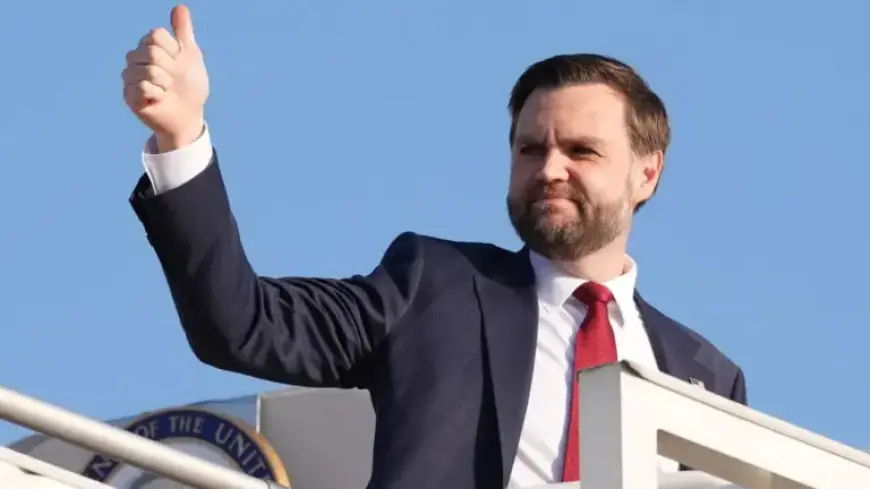
The recent peace talks between the United States and Iran ended without an agreement, raising tensions in the Middle East. The discussions, held in Islamabad, Pakistan, lasted for 21 hours and culminated on April 12, 2026. Vice President J.D. Vance, who led the U.S. delegation, expressed disappointment following the negotiations.
Failed Negotiations and Key Issues
During a press conference, Vance stated, “The bad news is that we have not reached an agreement.” He emphasized that Iran’s unwillingness to make commitments regarding its nuclear ambitions was a significant sticking point. According to Vance, Tehran must guarantee that it will not pursue nuclear weapons.
- Location: Islamabad, Pakistan
- Date: April 12, 2026
- Key U.S. Official: Vice President J.D. Vance
Trump’s Response and Threats
After the talks faltered, President Donald Trump took to social media to declare a strong stance. He announced that the U.S. Navy would blockade the Strait of Hormuz, asserting that Iran’s nuclear ambitions were the main barrier to an agreement. He stated, “Effective immediately, the United States Navy will begin the process of blockading any and all ships trying to enter or leave the Strait of Hormuz.”
Iran’s Position
Iran maintained that it had reached an understanding on several issues during the talks but reiterated its right to pursue a civilian nuclear program. The Iranian Foreign Ministry expressed dissatisfaction with what it termed “excessive demands” from the U.S. delegation. Key demands from Iran included:
- An end to Israeli attacks against Hezbollah.
- The release of $6 billion in frozen assets.
- Assurances regarding its nuclear program.
- The right to charge vessels passing through the Strait of Hormuz.
Continuing Hostilities
As negotiations collapsed, violence continued in the region. Israel conducted airstrikes in Lebanon against Hezbollah, intensifying the conflict. Despite calls for a ceasefire, fighting remains ongoing, raising concerns about the broader implications for stability in the Middle East.
The Way Forward
Vance left open the possibility for future discussions, suggesting that negotiations could resume under different terms. Pakistan, which played a crucial role as a mediator, called for both sides to adhere to a ceasefire while continuing peace efforts.
As the situation develops, all eyes remain on the U.S. response and the potential for renewed diplomatic engagement. The issue of the Strait of Hormuz will be pivotal, given its significance as a major shipping route for oil and gas.