























FEMA Provides Federal Aid to Washington After December Storms and Floods

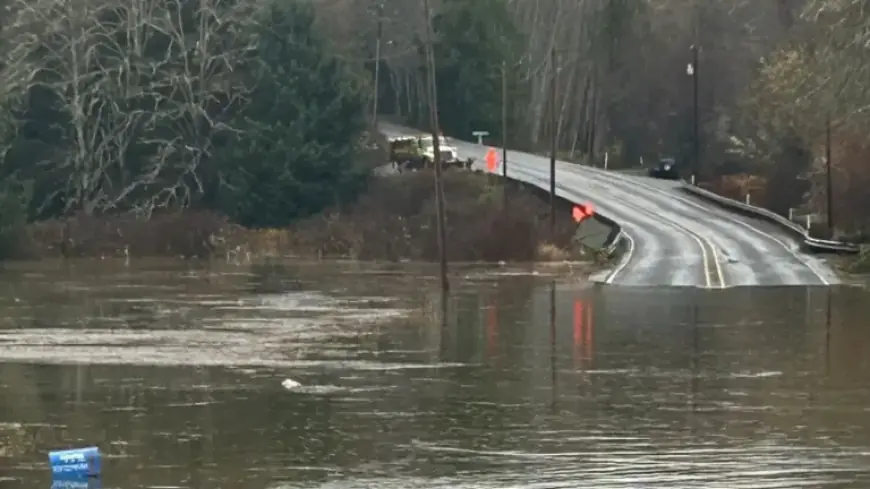
Federal assistance is now available in Washington following severe weather that swept through the state in December. The Federal Emergency Management Agency (FEMA) announced this aid to support recovery efforts after the storms, flooding, and landslides that occurred between December 5 and December 19, 2022.
Details of Federal Aid in Washington
The assistance initiative targets individuals affected by the severe weather events across specific counties. This includes:
- Chelan
- Grays Harbor
- King
- Lewis
- Pacific
- Pierce
- Skagit
- Snohomish
- Thurston
- Whatcom
Multiple tribal communities are also included, notably:
- Confederated Tribes of the Chehalis Reservation
- Lummi Nation
- Muckleshoot Indian Tribe
- Nisqually Indian Tribe
- Nooksack Indian Tribe
- Puyallup Tribe
- Quinault Indian Nation
- Samish Indian Nation
- Sauk-Suiattle Indian Tribe
- Shoalwater Bay Indian Tribe
- Snoqualmie Indian Tribe
- Squaxin Island Tribe
- Stillaguamish Tribe of Indians
- Swinomish Indian Tribal Community
- Tulalip Tribes
- Upper Skagit Indian Tribe
Types of Aid Available
Individuals may receive grants for temporary housing and home repairs, low-interest loans for uninsured property losses, and additional support programs. Residents are urged to file insurance claims before applying for federal assistance. Applications can be submitted online via DisasterAssistance.gov, by phone at 1-800-621-3362, or through the FEMA mobile app.
Public Assistance Funding
In addition to aid for individuals, federal Public Assistance funding is available. This support is shared between the state, tribal, and local governments, as well as qualifying nonprofit organizations. It covers emergency work and damages incurred in a wider range of counties, which includes:
- Asotin
- Clallam
- Clark
- Cowlitz
- Garfield
- Island
- Jefferson
- Kittitas
- Klickitat
- Mason
- Pend Oreille
- Skamania
- Wahkiakum
- Yakima
John F. Harrison has been appointed as the federal coordinating officer for the recovery operations in these regions.
Community Impact and Challenges
Many communities, such as Whatcom County, are still recovering from the aftermath of the storms. Mayor John Perry of Everson pointed out the emotional toll that repeated flooding has taken on residents. He highlighted the significant challenge of rising insurance rates alongside mortgage obligations.
According to Mayor Perry, previous federal aid has provided limited relief. “In 2021, the average household received about $6,000. The maximum available aid is around $40,000, but many must meet strict qualifying criteria,” he stated.
Ashley Butenschoen, Vice President of Whatcom Long Term Recovery Group, noted the ongoing support for local families. “FEMA assistance is crucial for those impacted. While it might not cover everything, it instills hope in the recovery process,” she explained.
Next Steps for Recovery
While the federal aid is a vital resource, transitioning the funds to the communities can be a lengthy process. These resources must first clear through various administrative channels before reaching local clients.
Butenschoen emphasized the importance of thorough documentation and keeping receipts for potential reimbursements. Additionally, she suggested that state-level initiatives could enhance recovery, such as emergency declarations to expedite housing repairs for flood-affected homes.
The community remains resilient, continuing efforts to restore homes and local businesses while eyeing support from federal channels. As recovery progresses, residents are urged to stay informed and connected to available resources.