














Pro-Iran Groups Mock U.S. with AI-Driven Lego-Style Propaganda Videos

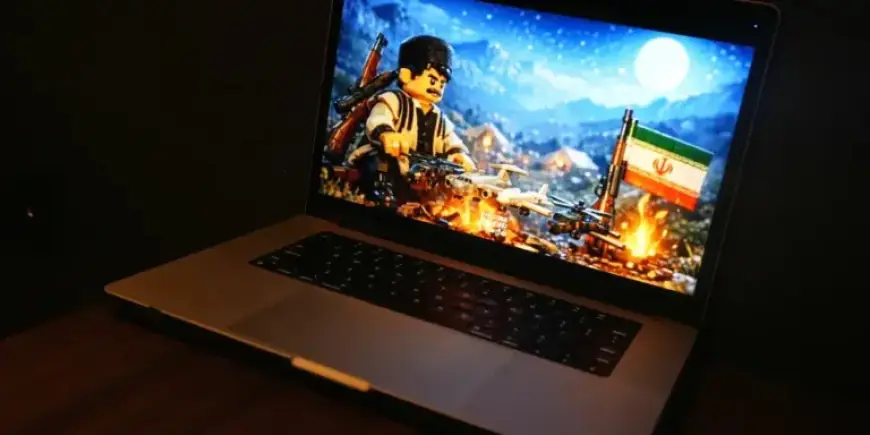
Pro-Iran groups have rolled out English-language memes made with artificial intelligence. The content targets U.S. and Israeli roles in the recent conflict. Analysts see the effort as part of a wider strategy to shape public opinion.
What the content shows
The memes blend American pop culture and political references. They depict President Donald Trump as isolated and out of step. Other targets include intra-MAGA disputes and U.S. personalities such as Secretary of Defense Pete Hegseth.
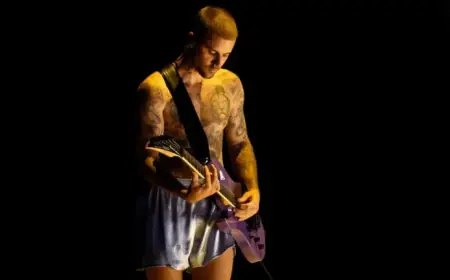
Some animations adopt a Lego-style look. One viral clip features an Iranian commander rapping while a Trump figure falls into a bullseye assembled from “Epstein files.” The posts have drawn millions of views across social platforms.
Production, distribution and suspected links
Researchers say the material displays high production values and steady upload rates. That combination suggests access to bandwidth and resources not common among unaffiliated activists.
Mahsa Alimardani, director at WITNESS, said the sophistication implies cooperation with state offices. She pointed to Tehran’s severe internet restrictions during nationwide protests as evidence that such output is unlikely without official help.
Accounts and state amplification
Some of the memes were reposted by Iranian state media. A prominent account behind the Lego-style clips calls itself Akhbar Enfejari, meaning Explosive News. The account says its creators upload from inside Iran to challenge Western media dominance.
After a ceasefire, Akhbar Enfejari posted: “IRAN WON! The way to crush imperialism has been shown to the world. Trump Surrendered.” Other Iranian government accounts also taunted the U.S.
Why analysts see this as propaganda
Neil Lavie-Driver, an AI researcher at the University of Cambridge, called the online push a propaganda campaign. He said the aim is to create enough domestic and Western discontent to shift policy outcomes.
Nancy Snow, a scholar of propaganda, noted the campaigns exploit American cultural touchstones. She said using popular culture is a deliberate tactic against the United States.
Historical and regional context
AI imagery has appeared in prior conflicts. After Russia’s 2022 invasion of Ukraine, AI-generated images flooded social platforms. Last year, critics coined “AI slop” to describe the uneven stream of such visuals during related Middle East tensions.
Analysts link the current meme campaign to longstanding Iranian programs aimed at countering U.S. and Israeli influence. They say those older methods explain the deep knowledge of U.S. politics and pop culture.
Responses from the U.S. and Israel
The U.S. and Israel do not appear to be mounting equivalent English-language AI meme campaigns. Israeli Prime Minister Benjamin Netanyahu released an AI-altered clip that made it seem he spoke Farsi. In it, he urged Iranians to oppose their government.
The White House has distributed memes as well, but these are geared toward American audiences. Voice of America continues Farsi broadcasts, though with reduced staff after earlier cuts.
Broader implications
Observers say the effort shows how low-cost, AI-driven tools can amplify foreign messaging. Pro-Iran groups are using cultural fluency to mock the U.S. and sway opinion abroad.
Filmogaz.com will continue monitoring how AI-driven propaganda videos shape information during regional conflicts.