

















Washington Declares Statewide Drought Emergency Due to Low Snowpack

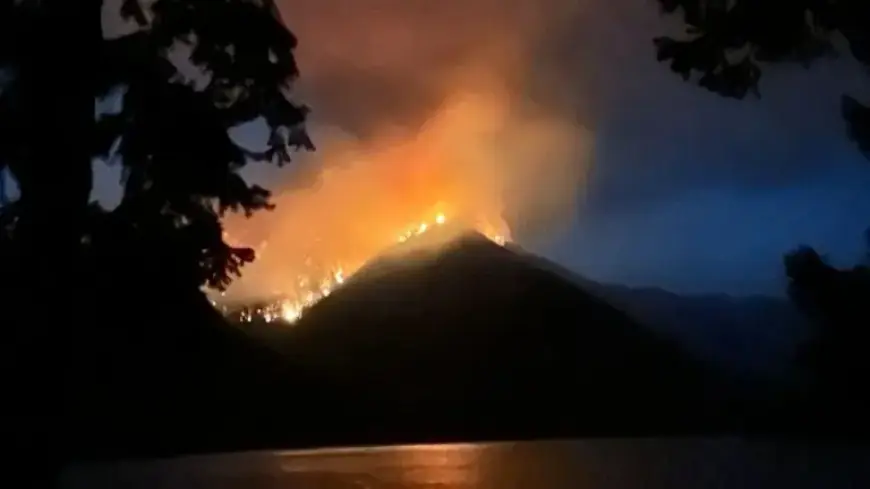
Washington state has officially declared a statewide drought emergency due to significantly low snowpack levels. The warm winter weather has left mountain snowpack approximately 50% of its usual volume, escalating concerns regarding water supplies, aquatic habitats, and wildfire risks as the summer approaches.
Snowpack and Precipitation Levels
According to the Washington Department of Ecology (WDE), despite receiving 104% of the average precipitation from October to February, much of it fell as rain rather than snow. This unusual weather pattern has contributed to alarming low snowpack levels, prompting the drought emergency declaration.
The state has now faced drought conditions for four consecutive years, marking the fourth statewide drought emergency since 2015. Over the past decade, seven of those years experienced drought impacts in various parts of Washington.
Implications of Drought on Water Supply and Wildlife
Governor Bob Ferguson emphasized the urgency of the situation, stating, “We’re taking emergency action to protect fish, farmers, and communities across Washington.” The reliance on winter snowfall is critical as it melts gradually in spring and summer, replenishing rivers and reservoirs.
WDE warns that low snowpack directly affects river flows and water temperatures. The environmental implications include:
- Reduced water supplies for agriculture.
- Increased difficulty for fish and aquatic species.
- Heightened wildfire risks as conditions become drier.
State Drought Criteria and Current Conditions
A drought is declared when water supply falls below 75% of normal levels, leading to potential hardships for water users and surrounding ecosystems. The entire state of Washington currently meets this threshold due to low snowpack and the lingering effects of previous droughts.
Regions across the state can expect varying impacts. Some agricultural producers anticipate reductions in irrigation or may forgo planting altogether. The WDE noted that water users should prepare for a potentially challenging summer ahead.
Historical Context and Future Projections
This year’s situation is characterized as a “snowpack drought,” a term that reflects a more severe condition than previously experienced. Notably, the winter of 2025 also witnessed a notable declaration of drought in the Yakima River Basin, which was later expanded statewide.
Karin Bumbaco, deputy state climatologist at the University of Washington, highlighted that while precipitation has been normal, rising temperatures have created a challenging winter environment. The state recorded its third highest average temperatures from October to February since 1895, accelerating snowmelt and increasing risks for the upcoming seasons.
Preparing for a Drier Future
The WDE indicates that snow droughts are becoming increasingly common due to climate change. In the 1990s, occurrences of snow droughts were experienced about once in every five years. Today, they occur approximately 40% of the time, with projections suggesting that by the 2050s, seven out of ten years could see similar conditions.
In light of these challenges, WDE is allocating up to $3 million in drought emergency response grants to public entities to mitigate impacts. Additionally, the declaration allows for expedited processing of emergency water right permits.
Utilities in Seattle, Tacoma, and Everett have preemptively planned for drought conditions and are not anticipating immediate impacts on their customers. Residents in affected regions are encouraged to contact local water utilities to understand conservation measures that may be implemented.