

























US Military Deploys 70-Year-Old B-52 Bombers for Overland Missions Over Iran

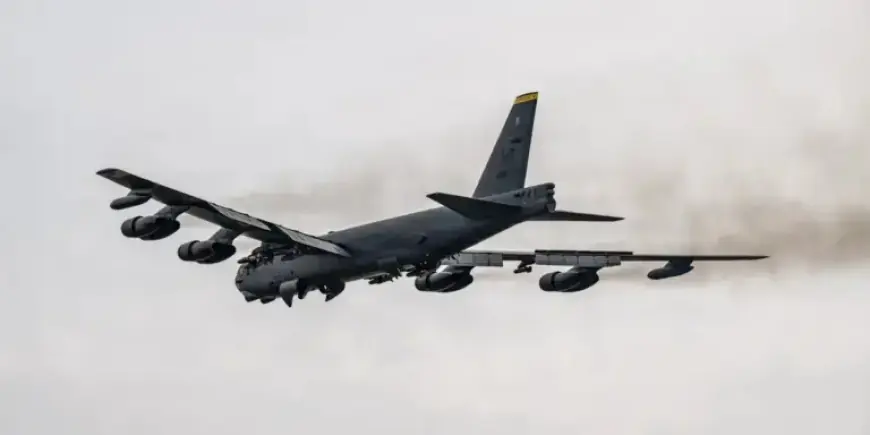
U.S. commanders say improved air superiority over Iran has enabled a new role for the long-serving B-52 fleet. Gen. Dan Caine, chairman of the Joint Chiefs of Staff, announced the change at a Tuesday press briefing.
Operational shift over Iran
Caine said U.S. forces have struck more than 11,000 targets in the past 30 days. That pressure, he added, has allowed the Air Force to begin overland B-52 missions.
These sorties mark a shift in how U.S. airpower is employed. B-52s will now fly aboveland routes that were previously too contested.
Role of other aircraft
B-1 Lancers and B-2 Spirits remain part of the deployed force. Together with the B-52, they form the backbone of strike options in the region.
B-52 fleet: history and upgrades
The Boeing B-52 Stratofortress first entered service in the 1950s. The platform has now served for about 70 years.
The Air Force lists 72 active B-52s. Some aircraft are configured for conventional strikes. Others retain nuclear mission capabilities.
Retired airframes are stored at the long-term aircraft “boneyard” in Arizona. The service plans to keep the fleet operational through 2050.
To extend service life, the Air Force is upgrading engines and radar systems. The Commercial Engine Replacement Program will fit military-adapted commercial engines. Boeing received a contract worth more than $2 billion last December to begin work.
The Radar Modernization Program installs new radars with greater range and resistance to electronic warfare. The first ferry flight of a B-52 equipped with that radar took place last December.
Campaign to reduce Iranian defenses
In the conflict’s early phase, U.S. and allied strikes focused on Iranian air defenses and missile systems. Physical munitions were used to degrade those systems.
Officials also employed cyber, space, and electronic warfare tools to blind air defenses and disrupt communications. Those efforts widened the corridor for manned aircraft.
Previous operations, including Israeli strikes and Operation Midnight Hammer last summer, have targeted Iranian air defense networks. Analysts say those actions factored into current conditions.
Strategic implications
Commanders view overland B-52 missions as a sign of greater operational freedom. The bombers’ long range and payload capacity make them a persistent strike option.
Despite their age, the aircraft remain central to U.S. strategy in the region. Planned upgrades aim to keep the fleet viable for decades.
Reporting and analysis by Filmogaz.com.