























Wu Unveils $4.9 Billion Budget Amid Rising Health Costs and Reduced Federal Aid

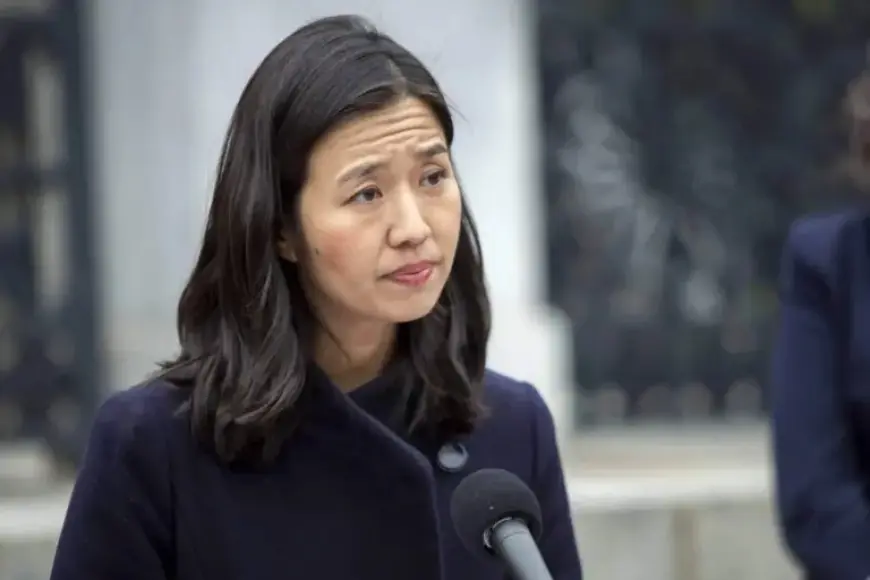
Boston Mayor Michelle Wu has unveiled a proposed budget of $4.9 billion for the upcoming fiscal year. This marks a 2% increase despite significant challenges, including soaring health care costs and dwindling federal funding.
Budget Overview and Challenges
In her correspondence to the Boston City Council, Mayor Wu termed this period a “difficult moment” for the city. The budget increase represents the smallest since fiscal 2010, translating to a 1.3% reduction in departmental allocations, excluding a 5.4% rise for Boston Public Schools (BPS).
Health Insurance Rate Hikes Impacting Budget
A substantial driver of the budgetary strain is a 20% hike in health insurance costs, which translates to an additional $97 million. City officials attribute a significant portion of this increase to GLP-1 weight loss medications. To manage costs, the city has begun limiting access to these drugs.
Wu also highlighted ongoing efforts to curb police overtime spending, although she acknowledged that public safety expenses remain a long-standing issue. In an interview, she described the city’s economic status as “stressed,” yet expressed confidence to tackle the situation with “determination and strength.”
Budget Allocations and Staffing Decisions
- Boston Public Schools will receive a budget of $1.7 billion, with a potential reduction of up to 400 staff positions.
- The school district will maintain a 10-to-1 student-to-teacher ratio.
- No layoffs are anticipated across city departments for the next fiscal year; however, a hiring freeze is already in effect.
The mayor emphasized that “strategic financial management” is necessary to avoid severe cuts to essential services while meeting debt obligations and funding pensions.
Discretionary Program Funding Cuts
Wu indicated that several discretionary programs would face budget cuts. These include funding for initiatives that promote community re-entry, food access, and the Age Strong Commission, which focuses on the senior population. She expressed concern over what these cuts might mean for the community, stating the city often lacks control over external factors that influence its financial situation.
Criticism from City Councilors
Some city councilors have raised questions about transparency and management, suggesting that the mayor’s strategy has led to long-term budgetary issues. This sentiment was echoed by Steve Poftak, CEO of the Boston Municipal Research Bureau, who called for more clarity on discretionary programs impacted by the budget cuts.
Property Tax Increases and Revenue Sources
Residents experienced a 13% increase in property taxes starting January. Although there are limits on the city’s overall budget growth, there are no restrictions on property tax hikes for individual homeowners. Falling values in commercial real estate have compounded these financial challenges, emphasizing the need for careful fiscal oversight.
Despite these pressures, Wu has opted against seeking voter approval for overriding the 2.5% annual limit on property tax increases. “It’s a last resort,” she explained, suggesting that difficult decisions must be made to manage the budget effectively.
As the city prepares to face these challenges, Wu’s administration will formally present the full operating budget at a dedicated “budget breakfast.” City councilors will have until June to propose amendments to the budget.