
























Middle East Conflict Drives Soaring PVC Prices

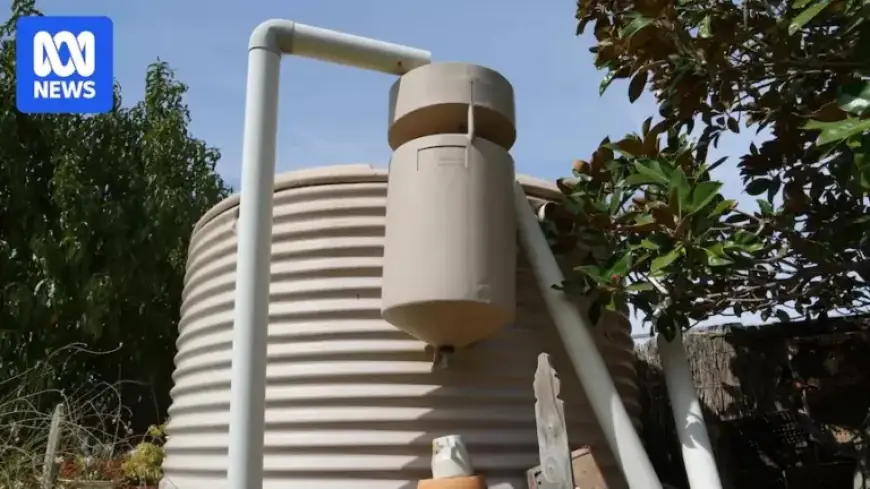
The ongoing conflict in the Middle East has led to a significant surge in the price of polyvinyl chloride (PVC) plastic. This essential material, widely used for pipes and building supplies, has experienced over a 30 percent increase in price. The situation poses yet another challenge for Australia’s already strained construction industry, attempting to cope with rising demand.
Impact on Construction and Agriculture
Local businesses, such as the Loxton Irrigation Centre in South Australia, have begun scaling back operations and canceling orders due to these soaring costs. Co-director Tom Drakopoulos highlighted the impact on irrigators, who are now reconsidering project timelines amidst escalating PVC prices.
- PVC prices have risen by more than 30% due to Middle East conflict.
- Supply chain issues are causing significant concern for the construction industry.
Voices from the Industry
Will Frogley, Chief Executive of Master Builders SA, expressed serious concerns about productivity issues stemming from these material shortages. He pointed out that builders may struggle to honor fixed-price contracts, as fluctuating material costs could lead to financial losses.
“The ramifications extend beyond just higher pricing at the gas station,” he remarked. Frogley emphasized the uncertainty surrounding the duration of the Middle East conflict and its implications for material availability, particularly PVC.
Additional Costs for Farmers
Farmers transitioning to different crops are also feeling the financial strain. Michael Jungfer, owner of Berri Irrigation and Plumbing, indicated that significant price increases for PVC and polyethylene would inevitably lead to increased expenses for growers.
- Farmers may have to cut costs or reduce staff due to rising material costs.
- Polyethylene prices have also surged by over 30% because of supply issues.
The Broader Construction Landscape
Beyond PVC, various building materials including concrete and steel are also facing price hikes. This raises concerns about construction project timelines and the financial stability of subcontractors operating under fixed-price agreements.
Andrew Clarke from Master Plumbers SA remains optimistic, stating that most construction operations are still proceeding as planned. However, the pressure on subcontractors due to increased PVC costs could add financial burdens, with potential increases in new home costs estimated at $400 to $500 for essential sewer piping systems.
Lessons from the Pandemic
The current situation has drawn comparisons to the COVID-19 pandemic when supply shortages led to significant price increases for building materials. Frogley reiterated that measures like rise-and-fall clauses should be reintroduced for government contracts to better manage future fluctuations in material costs.
Government Response
The state government has assured it is closely monitoring the evolving situation and considering feedback from industry leaders regarding materials pricing and supply chain issues. Meanwhile, housing officials are advocating for updated national housing targets to align with current demands.
The federal government’s recent agreement to the National Housing Accord in August 2023, which aims to construct one million homes over five years from mid-2024, underscores the urgency to address housing shortages in Australia.
As the construction industry grapples with these rising costs, the repercussions of the conflict in the Middle East continue to ripple through various sectors, underscoring the interconnected nature of global events and local economies.