

















Iran’s Regime Intensifies, Echoing Past with Increased Severity

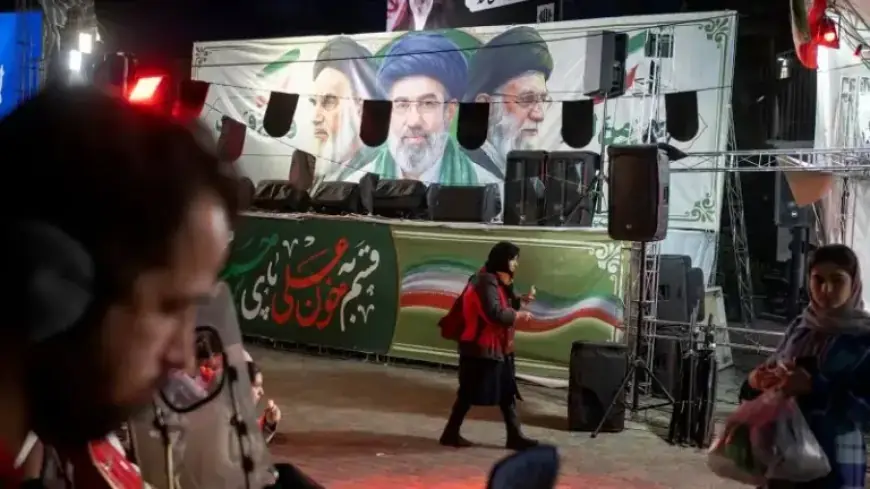
As tensions rise, Iran’s regime intensifies its control, reflecting patterns from past governance. The current leadership presents itself as more hardline and less willing to compromise compared to previous administrations. This evolution has sparked concerns among analysts regarding the regime’s stability and its approach to domestic dissent.
Current Leadership Dynamics in Iran
While many observers acknowledge a shift in leadership, the fundamental structure of the Iranian government remains unchanged. The Islamic Republic continues to function under its authoritative theocracy, established since the Iranian Revolution in 1979.
Political Analysts’ Perspectives
- Mona Yacoubian, an expert at the Center for Strategic and International Studies, emphasizes that the new government has solid ties to the Islamic Revolutionary Guard Corps (IRGC).
- Ali Vaez from the International Crisis Group notes that the current regime exhibits a more radicalized character than its predecessors.
Repressive Measures and Internal Control
In recent months, Iran has intensified its repression of citizens. In January, the government responded brutally to nationwide protests, resulting in numerous casualties. This pattern of repression has continued, with executions linked to protests reported.
Surveillance and Censorship
The regime’s grip on information remains tight, with ongoing internet access restrictions reported. A monitoring group noted that the nationwide blackout has reached 36 days. Furthermore, censorship is prevalent, especially regarding sensitive topics such as war.
- Search engines return limited results on politically charged queries.
- The government is developing technology to control international web access based on security clearances.
Nuclear Aspirations and Regional Deterrence
The ongoing conflict has prompted discussions around Iran’s nuclear ambitions. Former Supreme Leader Ayatollah Ali Khamenei had condemned nuclear weapons, but analysts now suspect that the current regime may seek them as a means of regional deterrence.
The IRGC’s Position and Military Concerns
With weakened military capabilities due to external strikes, the IRGC remains a dominant force in Iran, managing both financial and military resources needed to suppress dissent. They continue to enforce their power in urban areas and are prepared to confront any potential uprisings.
Conclusion: The Future of Iran’s Regime
As analysts dissect these developments, there are significant uncertainties about the future direction of Iran’s regime. The combination of increased repression and a hardened leadership suggests that the Iranian government is poised to respond harshly to any signs of opposition. This complex situation could potentially lead to further deterioration of both domestic and international relations, emphasizing the need for ongoing observation and analysis from experts.