
















Hegseth’s Army Leadership Purge Sparks Debate Amid U.S. Conflict

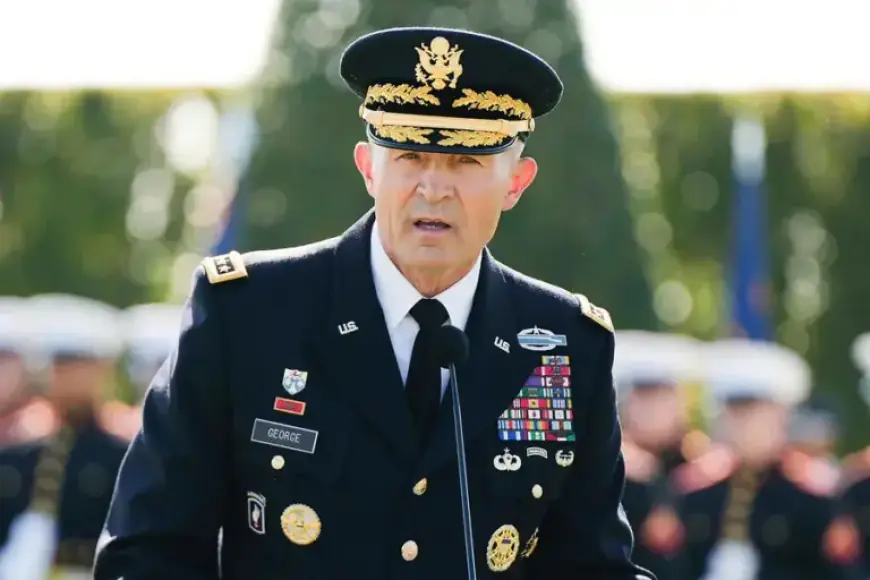
Recent actions by Defense Secretary Pete Hegseth have sparked significant debate regarding the leadership dynamics within the U.S. Army. The dismissal of General Randy George, the Army’s chief officer, has raised concerns about potential political influences in the military, especially as America navigates ongoing conflicts in the Middle East.
Leadership Changes in the Army
On Thursday, Pete Hegseth officially terminated General Randy George’s service, marking him as the latest in a series of high-profile dismissals. This follows the removal of over a dozen senior military leaders during President Trump’s second term, signaling a shift in military leadership amidst accusations of politicization.
Details of the Firings
- General George’s retirement is effective immediately.
- Two other high-ranking generals were also relieved of their duties on the same day.
- Hegseth reportedly disagreed with General George on promotion decisions, particularly concerning Black and female officers.
General George, who has a distinguished background with service in Iraq and Afghanistan, was appointed by President Biden in 2023. His dismissal raises questions about military appointments in a time of war and the tradition of nonpartisanship within military ranks.
Concerns Over Military Nonpartisanship
The recent firings have triggered alarm among military analysts. They argue that such actions might compromise the military’s ability to provide independent and honest advice to civilian leaders.
Retired General C.Q. Brown emphasized the importance of maintaining faith in military service despite current challenges. He spoke publicly just after the firings, encouraging young officers to persevere in their roles.
Historical Context of Dismissals
- General George is the latest in a line of military leaders removed during turbulent times.
- Histories of firings include significant figures such as Adm. Linda Fagan, the first woman to lead the U.S. Coast Guard.
- Many have expressed concern that these actions reflect a broader trend of politicization in the military.
Former secretaries of defense, including retired General Jim Mattis, highlighted the potential repercussions of this trend. They warned that it could dissuade talented individuals from pursuing military careers and erode public trust in military institutions.
Declining Trust in the Military
Public confidence in the U.S. military has seen a steep decline. According to a poll from the Reagan Institute, trust fell from 70% in 2018 to around 50% recently. Notably, there has been a profound partisan divide in military confidence since Hegseth took office in 2025.
- Democratic confidence is now recorded at 33%.
- Republican confidence has increased, reaching 67%.
This erosion of trust is concerning, particularly as fewer individuals in the general population have personal connections to the military. The impact of Hegseth’s recent conduct, particularly around the blockage of promotions for minority officers, contributes to this growing distrust.
Call for Resilience
During discussions at Harvard University, General Brown highlighted the need for resilience among service members. He encouraged young leaders to prove skeptics wrong and maintain their commitment to armed service despite uncertainties.
The situation surrounding Hegseth’s recent decisions showcases a critical moment in the U.S. military, with implications that could affect its operational integrity and public perception for years to come. Addressing these concerns transparently will be vital to restoring faith in military leadership.