























Why ‘Authentic Reporting Experience’ Remains Elusive

More than a month into the United States and Israel’s bombardment of Iran, reliable information has grown scarce. Tehran has imposed a near-total internet blackout and tightened restrictions on satellite services and VPNs.
Operational limits for foreign reporters
Foreign journalists face strict controls when working in Iran. Western teams must use a government-affiliated production services company and are accompanied by a translator at all times.
Access approvals come through Iranian embassies and consulates. The process is opaque, and permissions vary without clear explanation.
Fieldwork under surveillance
Journalists report being monitored closely while covering the conflict. An independent Iranian reporter told Reporters Without Borders that reporters face menacing calls and work under bombardment.
Frontline and partner outlets have documented the presence of government minders. This oversight shaped the reporting for a recent documentary filmed in the country.
Frontline investigation and on-the-ground reporting
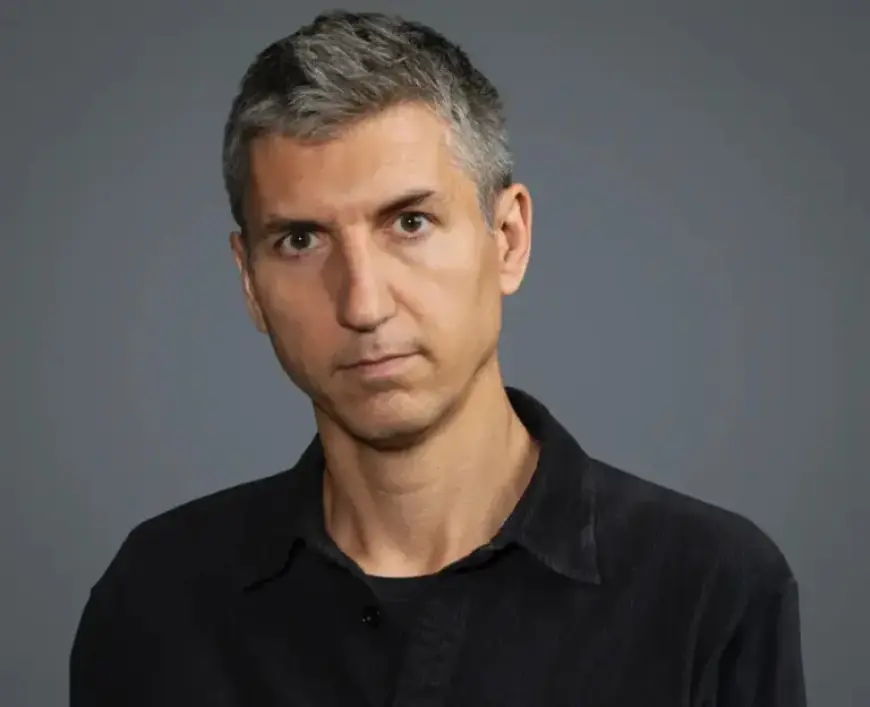
Sebastian Walker, a correspondent and documentary filmmaker, traveled to Iran in summer 2025. He went with longtime partner Adam Desiderio to report for Strike on Iran: The Nuclear Question.
The film aired in December and was produced with the Washington Post, Bellingcat, and Evident Media. An updated edition later incorporated new reporting on recent strikes.
What reporters could and could not see
The team gained rare access to some locations and to senior Iranian officials. They interviewed the head of Iran’s atomic energy agency and met with Ali Larijani, then head of the Supreme National Security Council.
Reporters could enter apartments of nuclear scientists targeted in assassinations and speak with their families. They were not allowed near key nuclear facilities struck by US forces.
Collaborative forensic work
Because ground access was limited, the investigation used satellite imagery and visual forensics. The Washington Post visual forensics team, Bellingcat, and Evident Media helped analyze damage.
Combining on-the-ground reporting with forensic techniques aimed to assess how much Iran’s nuclear program was affected by operations such as Operation Midnight Hammer.
Local sentiment and constraints on authenticity
Reporters spoke with Tehran residents at some strike sites. Many expressed anger toward authorities for housing senior nuclear figures in residential buildings.
Conversations were constrained by the constant presence of government translators. As a result, an authentic reporting experience remains elusive for many interactions.
Why reporters still go
Criticism has followed Western journalists who accept restricted access. A State Department official publicly dismissed a CNN visit as regime propaganda.
Reporters argue that in-person interviews with top Iranian leaders provide insights that remote work cannot. Direct conversations with decision-makers remain a key reason to accept monitored visits.
Ongoing coverage and follow-ups
The story is evolving rapidly, and producers have issued an updated film with new material. The team resumed discussions with Rafael Grossi, director general of the IAEA, for fresh perspective.
Reporters also worked in Washington, D.C., seeking answers from lawmakers and administration officials about Iran’s perceived threat level. Satellite analysis and forensic methods continue to underpin the reporting.
- Key names: Sebastian Walker, Adam Desiderio, Fred Pleitgen, Dominic Waghorn, Ali Larijani, Rafael Grossi.
- Organizations involved: Frontline, Washington Post, Bellingcat, Evident Media, AEOI, Reporters Without Borders.
- Events referenced: Operation Midnight Hammer, the Twelve-Day War, strikes in June, summer 2025 reporting trip.
Filmogaz.com will continue to track developments and the challenges of reporting from Iran. The combination of censorship, surveillance, and conflict keeps an authentic reporting experience difficult to achieve.