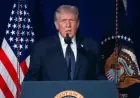

























Pezeshkian Affirms Iran’s Commitment to Peace, Raising Hopes for Imminent Deal

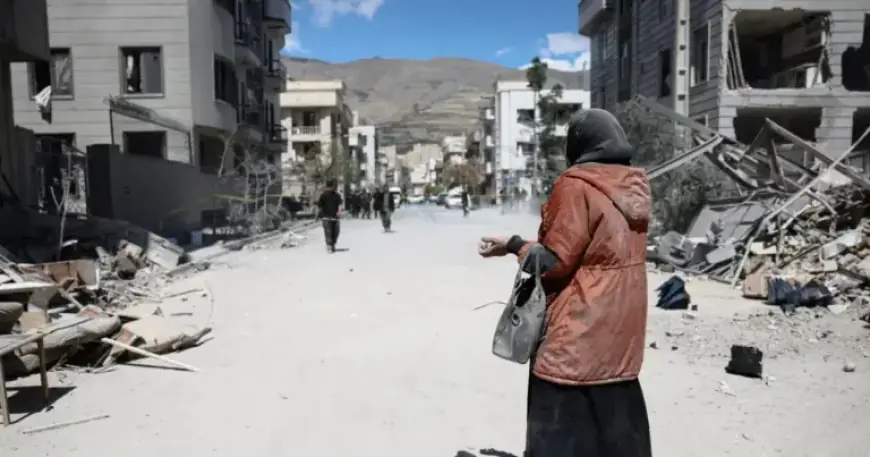
Iranian President Masud Pezeshkian said his government has the necessary will to end the war with the United States and Israel, but only if specific conditions are met. He made the remarks during a March 31 phone call with European Council President Antonio Costa, his office said.
Pezeshkian affirms Iran’s commitment to peace and stressed that guarantees are needed to prevent repeated attacks. The statement said normalization requires a halt to aggressive operations.
Diplomatic signals and official denials
Tehran said on March 25 it was reviewing a 15-point U.S. proposal. Iran also presented five conditions it wants satisfied to cease hostilities.
Iranian Foreign Minister Abbas Araqchi told Al Jazeera on March 31 that he continues to receive messages from U.S. special envoy Steve Witkoff. He added that those messages do not amount to formal negotiations between the two governments.
U.S. officials last week outlined a 15-point plan. It calls for dismantling parts of Iran’s nuclear program, curbing missile capabilities, and ending support for regional proxy forces.
Political and market reactions
Comments by Pezeshkian lifted U.S. markets and coincided with a fall in oil prices. The remarks also raised hopes for an imminent deal among some investors and analysts.
U.S. President Donald Trump said recently that a deal to end the war looked to be approaching. At the same time, U.S. forces continue to build up in the Middle East.
Military posture and assessments
U.S. Defense Secretary Pete Hegseth warned the coming days “will be decisive” and said he prefers a negotiated end. He added, however, that military pressure remains part of the strategy.
Retired U.S. Army General Joseph L. Votel, who led U.S. Central Command from 2016 to 2019, said deployments send a clear message to Iran. He said force posture also preserves options for civilian and military leaders.
International mediation efforts
China and Pakistan pledged on March 31 to strengthen strategic communication and coordination to help broker a settlement. Pakistani Foreign Minister Ishaq Dar met Chinese counterpart Wang Yi in Beijing.
Chinese Foreign Ministry spokeswoman Mao Ning said both countries agreed to promote de-escalation. They vowed joint efforts to advocate for peace and reconciliation.
Analysts warn of persistent obstacles
Political analyst Anton Penkovsky told Current Time that contacts between Tehran and Washington likely continue despite public denials. He argued Iran’s denials serve domestic political aims amid high social tensions.
Penkovsky cautioned that significant hurdles remain. The scope of restrictions on Iran’s nuclear program and U.S. demands to dismantle infrastructure and transfer materials are major sticking points. Iran views those demands as matters of sovereignty and deterrence.
The conflict began on February 28. It has killed thousands across at least nine countries and is costing global economies billions of dollars each day.
Filmogaz.com will continue to follow developments as diplomatic and military moves unfold. Uncertainty remains over whether the recent signals will lead to a concrete agreement.