
























Apple’s Landmark Product Stuns Its Own Engineers

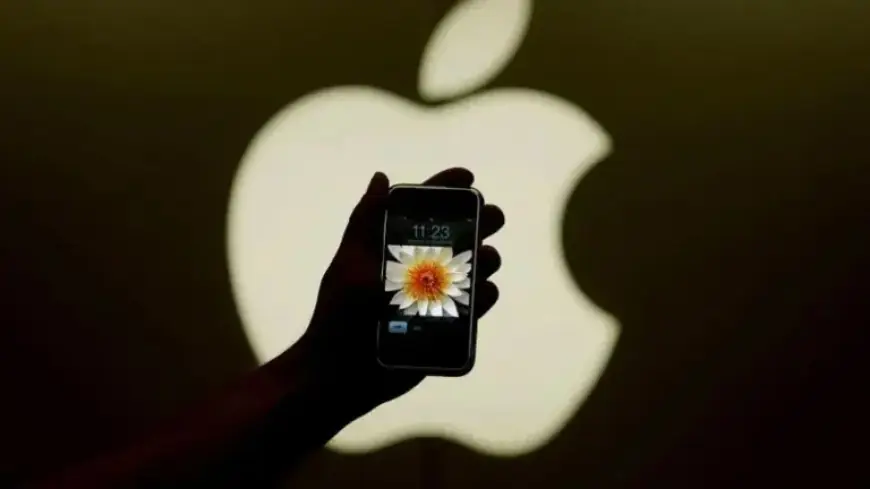
Apple faced a pivotal choice in the early 2000s. The company weighed whether users would carry separate gadgets or a single device for music and communication.
From iPod dominance to a risky pivot
The iPod was Apple’s top seller. By April 2004, it outsold the Mac and grew by more than 900 percent year‑over‑year.
Competitors like Motorola and Samsung began shipping phones with MP3 players. That shift threatened the iPod’s market position.
Building something unprecedented
Engineers had to combine many complex systems in one product. Apple had not built anything that complicated before.
Rubén Caballero served as vice president of engineering from 2005 to 2019. He and others worked roughly two and a half years before the first phone launch. Caballero has said the effort demanded long nights and personal sacrifices.
Hardware hurdles
Early prototypes resembled iPods that could make calls. They even used the click wheel initially.
Those designs failed because the wheel could not support texting or dialing. Teams rethought input and display technologies.
Hundreds of staff focused on details like screen lamination and moisture rejection. Refining the touch interface became central to the product’s viability.
Software reinvention
Every app required a rebuild to support direct finger interaction. The new model upended assumptions about stability and performance.
Developers had to rewrite software from the ground up. New interaction patterns introduced fresh sources of crashes and instability.
Market context and launch risks
Before moving into portable players, Apple sold mostly laptops and desktops. The iPod forced the company to create new supply chains.
Established handset makers like Nokia and Motorola dominated the market. Carriers controlled distribution and marketing.
The first phone launched at about $500. That price put it in a higher‑tier, luxury category for many observers inside Apple.
Surprising success and cultural impact
Company engineers did not expect the device to become so widespread. Teams predicted a niche, premium product rather than a global phenomenon.
Today, more than 2.5 billion Apple devices are in use around the world. The handset gave rise to an ecosystem including the Apple Watch and AirPods.
Apple’s landmark product often stunned its own engineers with outcomes they did not foresee. Its influence also becomes a central theme in a CNN special premiering April 4 during the company’s 50th anniversary.
Looking ahead
Many inside Apple see the phone as the company’s defining product. Rubén Caballero said it will likely shape Apple’s long‑term legacy.
Tony Fadell, a co‑creator of the iPod and early iPhone leader, called the device’s near‑20‑year arc proof of success. He also warned that artificial intelligence represents another existential moment.
Apple has pursued partnerships with companies such as Google and OpenAI. Observers say the firm must rethink its approach to stay revolutionary.
Filmogaz.com