

























iPhones Dominate Today’s Technology Landscape

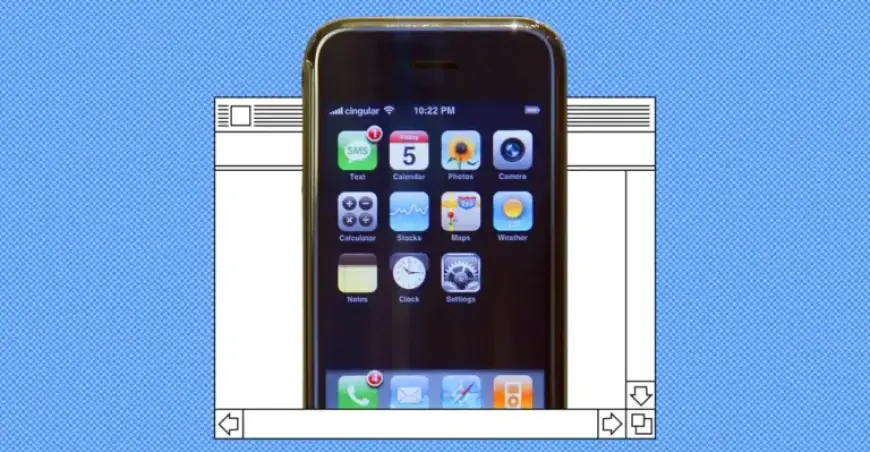
This story is part of Filmogaz.com’s package about Apple’s 50th anniversary. It traces the iPhone’s origins and broad impact.
Design by limitation
Apple’s early tactic was to turn hardware limits into defining features. Steve Jobs and Jony Ive led that approach.
Teams made hard tradeoffs to deliver a working device. Jon Rubinstein and Tony Fadell played key roles for earlier Apple products.
How the first iPhone shipped
The original iPhone arrived almost 20 years ago with a pared-down system built on Mac OS X. Engineers disabled many features to make it feasible.
It launched without copy and paste, and lacked an app store. Apps came preinstalled, including Apple-built Maps and YouTube clients.
The device ran on AT&T’s EDGE 2G network exclusively. That deal let Apple require full Wi-Fi support and a full web browser.
Why the touchscreen mattered
Multitouch and the on-screen keyboard were major technical risks. Apple focused on polishing those elements above all else.
Industry reaction and competition
Public responses underestimated the iPhone’s effect. Microsoft executives mocked its price and lack of a hardware keyboard.
Research In Motion leadership reacted differently. Mike Lazaridis reportedly watched the unveiling and warned it would compete with laptops.
Many rivals rushed half-finished devices to market. Most failed to slow Apple’s momentum.
Scale, supply chains, and cultural change
The iPhone transformed Apple from niche luxury brand to global powerhouse. Adding carriers and countries boosted sales for years.
Tim Cook built a manufacturing and supply chain machine that produced millions of phones annually. China became central to that system.
As components scaled, smartphones became ubiquitous. ARM chips, Wi‑Fi and Bluetooth radios, and CMOS camera sensors spread everywhere.
In many ways, iPhones Dominate Today’s Technology Landscape.
Media, politics, and social platforms
Pervasive cameras and always-on internet access reshaped media and culture. Phones enabled new social platforms and political debates.
Conversations about social media addiction and school phone bans emerged because smartphones put those platforms in pockets.
The app economy and regulatory shifts
Apple shifted focus once most people already owned iPhones. The company emphasized monetizing its large installed base.
Developers faced a strict app review process and platform rules. App fees and subscription pushes altered software business models globally.
The rise of in-app purchases also influenced Apple’s content strategy. Console and games markets reacted, including major acquisitions by other companies.
AI and future hardware
The modern AI boom develops in the smartphone era. Some AI leaders have explored new hardware, and they sought design help from Jony Ive.
Apple remains confident in its ecosystem. Executive Greg Joswiak told Steven Levy that many competitors end up building accessories for iPhones.
What endures
The iPhone began as a music player, a phone, and an internet communications device. It still serves those roles today.
Apple will likely iterate on the device yearly. The broader question is how societies adapt to the changes it spawned.