























Supreme Court Ruling May Transform Conversion Therapy Ban Policies

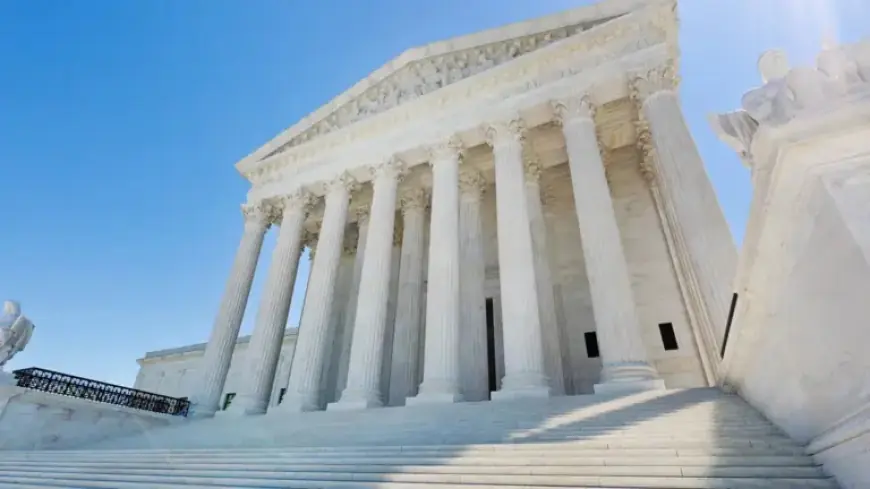
On March 31, the U.S. Supreme Court ruled 8-1 for a therapist challenging Colorado’s ban on talk-based conversion therapy. The court found the law raised serious First Amendment concerns and returned the case to the 10th U.S. Circuit Court of Appeals.
Majority opinion and legal standard
Justice Neil Gorsuch wrote the majority opinion. He warned that the First Amendment protects against enforcing “orthodoxy in thought or speech.”
The high court instructed the lower court to apply strict scrutiny. Under that test, the government must show a restriction is narrowly tailored to a compelling interest.
The Colorado law and the case
Colorado’s Minor Conversion Therapy Law took effect in 2019. It defines conversion therapy as efforts to change sexual orientation or gender identity.
The challenger in the case is licensed therapist Kaley Chiles. Alliance Defending Freedom represented her and praised the ruling.
Dissent and immediate reactions
Justice Ketanji Brown Jackson dissented. She argued states can limit licensed talk therapists from using speech that harms minors.
Alliance Defending Freedom described the decision as a win for free speech. Their lead counsel called the outcome decisive, and Chiles said the ruling will help families seek counseling aligned with their beliefs.
Expert perspectives and potential impact
Legal experts said the ruling’s reach depends on how state laws are written. Brett Nolan of the Institute for Free Speech noted wording will determine which bans survive.
Some observers said the Supreme Court Ruling May Transform Conversion Therapy Ban Policies, depending on legislative language. Ronnie London of the Foundation for Individual Rights and Expression said the decision reinforces that viewpoint-based speech regulations are unconstitutional.
Experts stressed the ruling does not affect non-speech conversion methods. Treatments such as electric shocks or nausea-inducing chemicals were identified as outside the speech issue.
Predictions for lower courts and states
Ken Paulson of the Middle Tennessee State University Free Speech Center predicted the appeals court may still rule against Colorado. He said many similar state laws could face new challenges.
By contrast, Duke law professor Richard Katskee argued that talk therapy should face professional regulation like other medical practices. He expressed disappointment and noted the court’s differing recent rulings on related issues.
Scope of existing bans
Nearly half of U.S. states and Washington, D.C., have laws banning conversion therapy for minors, according to Axios. How those laws are written will shape litigation going forward.
Filmogaz.com will monitor developments as lower courts apply the Supreme Court’s direction. Further decisions will determine the practical effect on state bans and professional speech regulation.