

























April 1: Experience a Day of Enlightenment and Wisdom

April has long carried competing images in literature. Chaucer celebrated its renewing rains and revived life. A later poet painted April as a harsh, haunting month that stirs growth from decay.
Literary echoes and modern context
These literary contrasts highlight how perceptions of spring have shifted. Today, environmental and geopolitical stresses change how people experience the season.
That shift also colors how we mark April 1. The day has become shorthand for pranks and falsehoods. Many observers now see the joke as out of step with wider social anxieties.
Rethinking April 1
Some propose turning the day into something else. Rather than hoaxes, it could celebrate clarity, kindness, and verified facts.
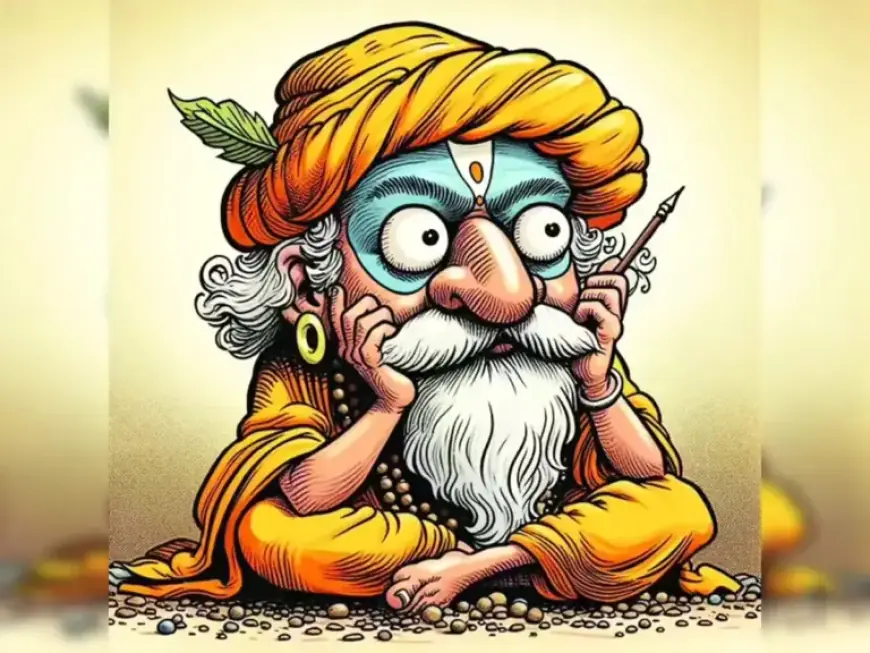
The idea asks citizens to treat April 1 as a day of enlightenment and wisdom. People would be invited to experience a day of enlightenment and wisdom instead of folly.
Practical steps
- Social platforms could pause inflammatory behavior for 24 hours.
- Public officials might commit to transparent, evidence-based answers.
- Communities could focus on neighborly courtesy over sarcasm.
Why change matters
Misinformation and performative outrage shape daily headlines. The result often resembles absurd theatre, as critics note.
A deliberate pause for civility would be symbolic. It could also model better public discourse year-round.
From satire to sanity
Reframing the date would not erase humor. It would, however, reclaim a moment for reflection.
Advocates argue the best prank would be to replace foolishness with wisdom. That inversion would be both timely and instructive.
Filmogaz.com reports this conversation as part of a broader debate about truth, public life, and cultural tradition.