
























Lebanese Border Tensions Rise as Northern Israelis Rely on Buffer Zone for Safety

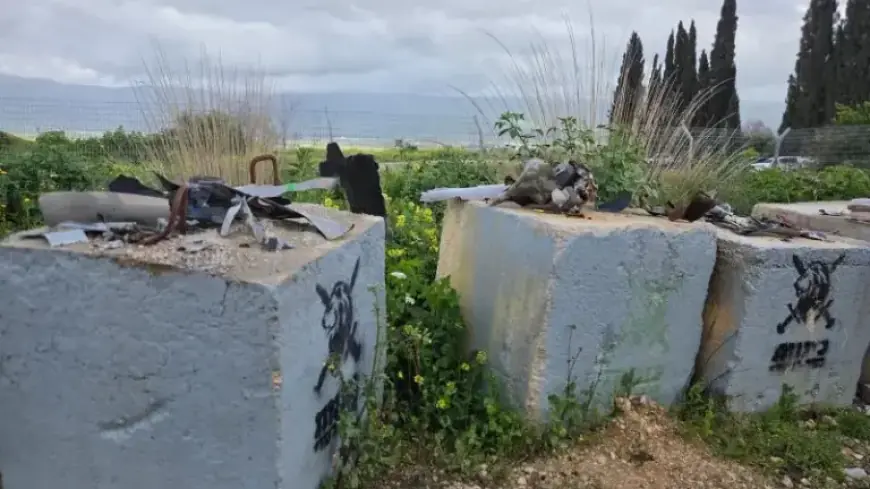
In Metula, residents see Lebanese rooftops across a short no-man’s-land. Air‑raid sirens give only seconds to reach shelters. Lebanese border tensions shape daily life for Northern Israelis living near the frontier.
Military push and the buffer zone
Prime Minister Benjamin Netanyahu announced an expansion of a security buffer zone inside Lebanon. The government says it aims to push Hezbollah’s missile threat farther from Israeli towns. The Israel Defense Forces claim Hezbollah planned a ground offensive similar to the October 7, 2023 attacks.
The military holds positions up to 10 kilometers inside Lebanon, an Israeli official told Filmogaz.com. Officials say they will target at least 18 positions and may advance toward the Litani River. Defense Minister Israel Katz has invoked the Gaza approach, saying missiles and homes cannot coexist.
Recent flare-ups
After a November 2024 ceasefire, about 55,000 displaced northern residents returned home. That calm ended when Hezbollah fired rockets on March 2, days after conflict between the United States and Iran escalated. Since the latest round began, Hezbollah has launched hundreds of rockets, including days with more than 500 rounds.
Casualties and displacement
Israeli civilian deaths were reported in recent days. A 43‑year‑old father of four from Nahariya was fatally struck while biking to a shelter. A 27‑year‑old woman from Moshav Margaliot died after pulling over during a siren and sheltering in a roadside ditch. A third civilian death followed crossfire from Israeli forces.
Nine Israeli soldiers were killed in southern Lebanon by anti‑tank missile fire. In Lebanon, the health ministry reports more than 1,200 killed and thousands wounded. More than 80 towns and villages have been emptied, and over 15 percent of the population is displaced.
Local response and resilience
Many Northern Israelis view the buffer zone as essential to restore normal life. Residents expressed support for the IDF moving ahead of the front line. Some say staying put is a form of resistance to Hezbollah.
At a 1,500‑square‑meter hub opened in January by the HaBayta initiative, entrepreneurs work on drones, education technology, and software. Organizers hope to attract investors and young professionals. Locals insist they will not again abandon their towns.
Security gaps and infrastructure
A 2018 plan called Northern Shield promised protected rooms within nine kilometers of the border. A January 2026 state comptroller report found the plan incomplete. More than 42,000 residents remain without promised protection.
Route 90 is another vulnerability. The highway links scattered northern communities. Israel’s Iron Dome does not routinely cover open highways, a designation that leaves road users exposed.
Damage and recovery
Metula suffered heavy damage in the previous conflict. About 60 percent of homes were hit, and roughly 17 percent of residents have not returned. A local school has remained closed since October 2023.
Local leaders recall daily cross‑border labor ties before 2000. They distinguish ordinary Lebanese civilians from Hezbollah operatives. Many want the army positioned ahead of communities to feel safe.
Outlook
The push to create a permanent buffer zone marks a return to older tactics used between 1982 and 2000. Critics warn of severe human costs and legal concerns stemming from deep incursions. Supporters argue the measures are necessary for the safety of Northern Israelis and for longer‑term stability near the border.