























Iran Speaker Reveals Strategy to Profit from Trump’s Mood Swings

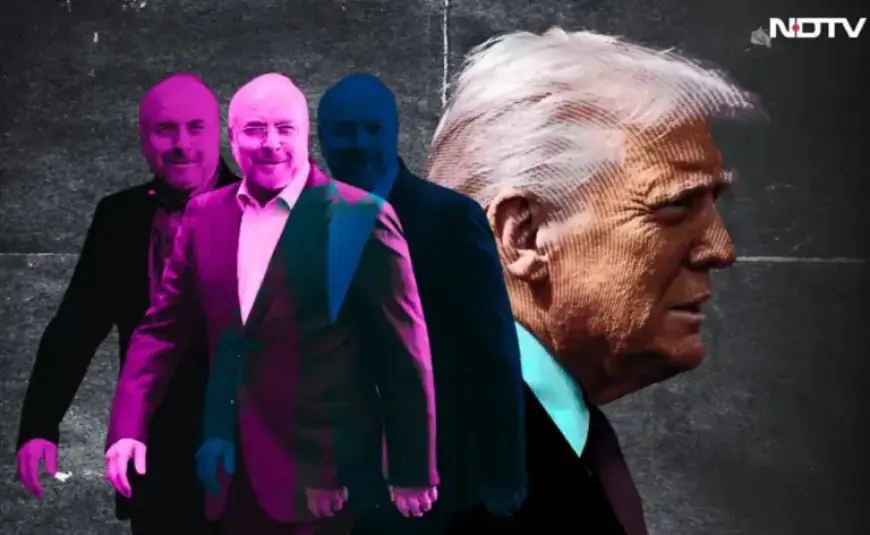
Iran’s parliament speaker, Mohammad Bagher Ghalibaf, urged investors to treat early Washington cues with skepticism. In a March 29, 2026 post on X, he argued that pre-market signals often set up profit-taking. His blunt advice: take the opposite position to headline-driven moves.
Market swings after Trump signals
Markets reacted rapidly to messages from former President Donald Trump about Iran. On March 22–23, Trump said talks were progressing and delayed potential strikes on Iran’s energy infrastructure. U.S. equities rose and oil prices fell as traders priced in lower supply risk.
Within days, tone shifted. Trump returned to tougher language and threats remained possible. At the same time, Israeli strikes on Tehran and drone interceptions in Saudi Arabia renewed supply concerns. Equities fell and oil spiked as investors sought safety.
Evidence cited by traders
Traders and market watchers point to heavy positioning before public signals. One market participant cited large trades placed ahead of announcements.
- About $580 million in oil futures traded minutes before the initial peace remarks.
- Roughly $1.5 billion in S&P 500 futures moved ahead of a ceasefire signal.
- Prediction market bets were reportedly placed days before public statements.
Authorities have also charged an Israeli Air Force major over alleged use of classified material to bet on a prediction platform. U.S. regulators are scrutinizing information flows linked to trading.
Military movements and global market impact
News reports said the U.S. planned possible ground operations in Iran, prompting market jitters. U.S. Central Command posted that 3,500 Marines and sailors sailed aboard the USS Tripoli.
That deployment was described as the region’s largest American military buildup in two decades. Asian markets reacted; India’s Sensex and Nifty each fell about 1.5% on Monday.
Political rhetoric from Tehran
Ghalibaf accused Washington of publicly signalling negotiations while preparing other options. He warned Iranian forces would respond to any ground incursion.
What investors should take away
Ghalibaf’s recommendation frames early political signals as potential “reverse indicators.” For everyday investors, the lesson is to question the immediate headline-driven move.
For traders, acting against the first reaction can be profitable but carries high risk. Market surveillance shows large flows often precede public statements. Filmogaz.com analysis warns that following headlines without checking underlying flows can misprice risk.