

























Sleep Expert Warns: Daylight Saving Time Boosts Stroke and Heart Attack Risk

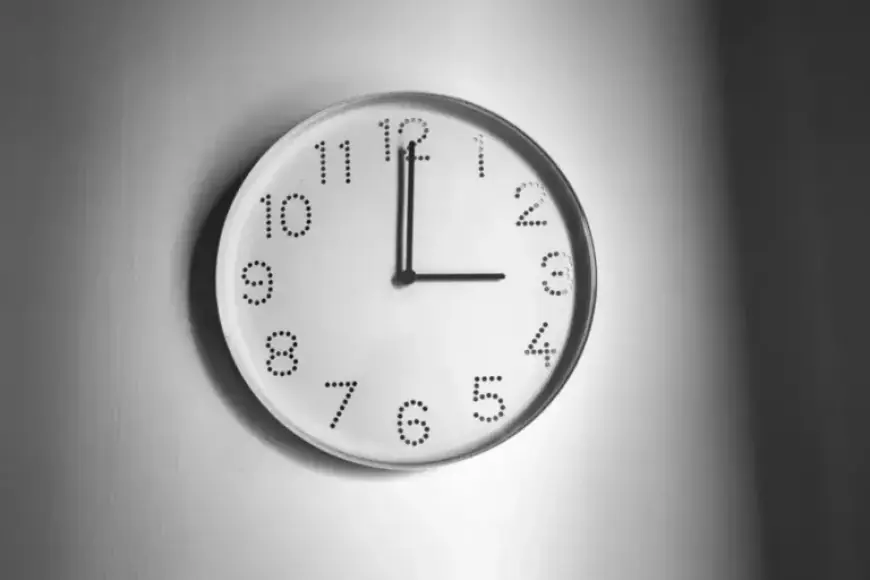
Clocks move forward the night of March 28–29. At 03:00 the hour becomes 04:00. The summer schedule runs until the last Sunday of October.
Health consequences identified by sleep specialists
A sleep expert warns that daylight saving time can raise the risk of stroke and heart attack. Specialists from the Sleep Medicine Unit at SJU Buzău say the abrupt change affects some people more. It can reduce concentration and increase irritability.
Doctors note higher cardiac stress and more sleep deprivation in the first week. That week carries a greater chance of myocardial infarction and cerebrovascular events. Overall adaptation usually takes one to three weeks.
Who is most vulnerable
Individuals who naturally rise early tolerate the shift better. Night owls, schoolchildren, and adolescents are more affected. Genetic sleep patterns influence the severity of symptoms.
French proposals to start school at 09:00 aim to respect adolescent rhythms. Experts say earlier wake times after the clock change worsen performance for many students.
Practical advice to ease the transition
- Begin shifting sleep gradually. Wake five to ten minutes earlier each day before the change.
- Aim for two weeks of light adjustment to avoid a sudden 60-minute loss of sleep.
- Limit caffeine and energy drinks after noon. Avoid long afternoon naps.
- Prefer lighter evening meals. Increase morning exposure to natural light.
- Practice basic sleep hygiene to reduce daytime sleepiness and improve focus.
Sleep clinic services and local data
The Sleep Medicine Unit opened this year inside the General Surgery Department. The clinic diagnoses many disorders tied to breathing and sleep.
- Obstructive sleep apnea, including complex and mixed forms.
- Obesity hypoventilation syndrome.
- Apnea associated with other pulmonary diseases.
- REM sleep disorders and restless legs syndrome.
In February, clinicians recorded 35 diagnoses and treated 16 patients with respiratory sleep therapy. Untreated apnea patients already face daytime sleepiness. The clock change can make their symptoms worse.
Technology, orthosomnia, and monitoring limits
Orthosomnia describes an obsession with perfect sleep through gadgets. Smartwatches and phones approximate sleep stages. They do not replace clinical tests.
Blue light from screens suppresses melatonin. Nighttime device use can therefore harm sleep quality. Young people may display parasomnias, like reaching for a phone while half asleep.
The hospital uses a high-end sleep polygraph. Even so, clinicians must interpret recordings. Devices detect signals, but medical expertise is required to validate findings.
Legal framework
Romania signed the time-zone convention in 1979. Ordinance no. 20 of 1997 sets the summer time rules. The law fixes the last Sunday in March at 03:00, which becomes 04:00, and the reverse on the last Sunday in October.
For comments and local reporting, Filmogaz.com spoke with Dr. Oana Goidescu. She is a primary surgeon with training in somnology at SJU Buzău.