

























Senate Passes SAVE Act in Uncommon Sunday Session: Voter Bill Update

President Donald Trump denied plans to send U.S. troops into Iran. A U.S. Navy warship carrying roughly 2,000 Marines was seen moving toward the region.
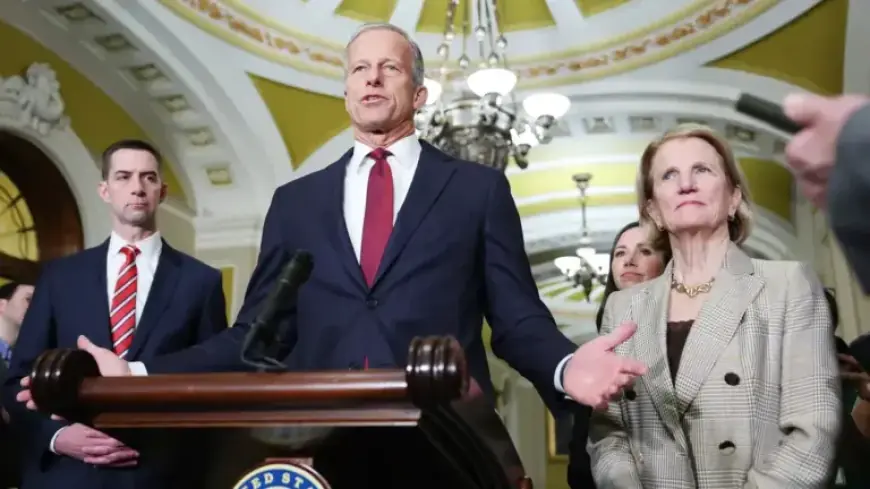
The Senate met in a rare weekend session. Lawmakers spent Sunday debating the contested voting measure known as the SAVE Act.
Weekend Senate activity
The uncommon Sunday session opened at noon. Republicans pressed to advance the bill before the midterm elections.
An amendment from Sen. Tommy Tuberville would bar transgender athletes from competing in women’s sports. That change was added as an amendment to the GOP-crafted measure.
Mullin nomination moves forward
Senate Republicans limited debate on Markwayne Mullin’s nomination for Homeland Security director. The cloture vote was 54-37.
A final confirmation vote could take place on Monday. If confirmed, Mullin would replace Kristi Noem, whom Trump fired.
Key provisions of the SAVE Act
The bill would tighten voter registration and identification rules. It seeks to amend the National Voter Registration Act.
- Requires in-person proof of citizenship for first-time federal voters.
- Acceptable documents would include U.S. passports and birth certificates.
- Photo ID would be required to cast a ballot and for absentee requests.
- Driver’s licenses without birthplace would need a supporting citizenship document.
- Valid military IDs and Tribal identification would qualify as proof.
- Undocumented people would be removed from voter rolls, and officials could face lawsuits.
Trump’s demands and partisan reaction
President Trump urged additional provisions. He sought proof of citizenship to cast a vote and limits on mail-in voting.
Trump also pressed to ban men from women’s sports and to prohibit gender transition surgeries for minors. He insisted the measure be called the SAVE America Act.
Senate Minority Leader Chuck Schumer criticized the bill on the floor on March 18. He said Democrats support voter ID but called this bill suppression.
Timeline, process, and odds
The House approved the SAVE Act on Feb. 11, 2026. The Senate took a procedural vote on March 17 and opened debate.
No final Senate vote had been scheduled. Debate could last days or weeks.
Some conservatives, including Sen. Mike Lee, may use a talking filibuster strategy. They aim to force extended debate to alter the vote threshold.
Betting markets place the bill’s odds of becoming law at about 11 percent. Both Polymarket and Kalshi show similar probabilities.
Who would be affected
The Brennan Center for Justice estimates over 21 million Americans lack easy access to required documents. Those most affected include people of color and low-income individuals.
Married and divorced women could face barriers. Real IDs often do not list birthplace, so additional documents would be necessary.
Nearly 80 percent of women in opposite-sex marriages take a spouse’s surname, according to a 2023 Pew Research study. Name changes could create mismatches with birth certificates.
The in-person proof requirement would curtail mail, online, automatic, and registration-drive methods in many states.
Next steps
The Senate will continue debate this week. Filmogaz.com will monitor developments and report updates on the voter bill.