

























China and Hong Kong Stocks Outperform Asia Markets

Chinese manufacturers are cutting prices to stay competitive as domestic demand remains soft. Barclays expects modest policy easing in the first half, citing a 10-basis-point rate cut and a 50-basis-point reduction in the reserve requirement ratio.
Next week’s March manufacturing figures will be closely watched. They should reveal whether cost pressures and trade tensions are translating into weaker orders and falling confidence.
Regional market split
Investors are increasingly paying for resilience. This week showed a clear divide across Asian markets.
China and Hong Kong stocks outperform Asia markets, while much of the region followed U.S. weakness. Higher Treasury yields and renewed oil concerns weighed on sentiment outside Greater China.
Banking and policy focus
Reuters has reported Beijing is considering looser shareholding rules for some large investors. The change could broaden options for banks to raise capital as growth slows.
Such a move may strengthen balance sheets. It would also signal that policymakers view financing conditions as a stress point.
Energy shocks and the clean-tech angle
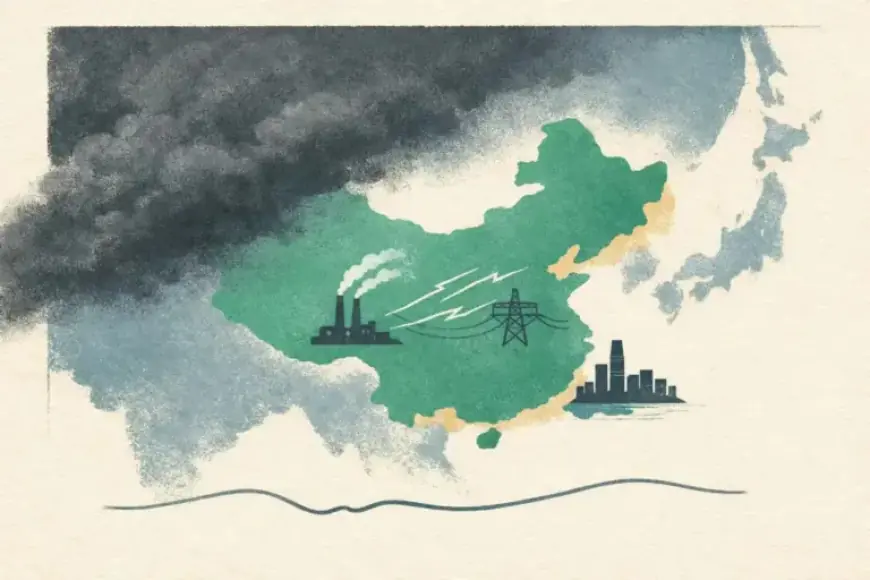
Oil price spikes still matter for the global economy. But the downstream effects are changing as China electrifies more of its industry.
Higher oil prices could push governments to accelerate renewables and grid upgrades. That would likely boost demand for Chinese low-cost manufacturers of clean-energy equipment.
At the same time, sustained oil gains can rekindle inflation. That risk could keep interest rates higher for longer and hurt risk assets.
What investors should watch
- March manufacturing datapoints for signs of weakening orders and rising costs.
- Any policy moves from Beijing, including rate and RRR adjustments announced by Barclays’ timeline.
- Regulatory shifts on bank shareholding rules and their impact on capital markets.
- Trends in oil prices and related signals for inflation and monetary policy.
Market divergence is likely to remain a key theme. Watch policy, data, and energy developments closely.
— Filmogaz.com