

























Lebanon Faces Crisis Potentially More Enduring Than Iran Conflict

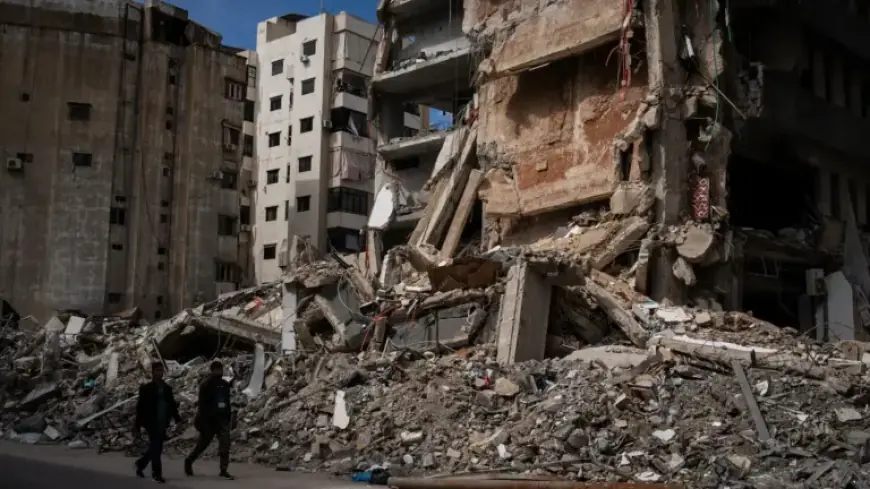
Analysts who spoke with Filmogaz.com warn that fighting along the Israel-Lebanon border has escalated sharply. They say the violence threatens both Hezbollah and the Lebanese state. Some fear Lebanon faces crisis conditions that could last longer than other regional confrontations.
Frontline escalation
Israeli forces have pushed deeper into southern Lebanon. The IDF ordered evacuations south of the Zahrani River and the Litani River.
As of March 24, multiple bridges over the Litani were destroyed. The IDF reported Hezbollah fired more than 2,000 projectiles toward Israel.
Human toll and displacement
Lebanese authorities report over 1,000 deaths in the latest fighting. Human Rights Watch says more than one million people have fled their homes.
That figure represents roughly one-fifth of Lebanon’s population. Tent camps and makeshift shelters are appearing near Beirut’s waterfront.
Political shifts in Beirut
A technocratic government came to power in February 2025. Prime Minister Nawaf Salam and President Joseph Aoun pledged to curb armed groups.
The Lebanese Armed Forces said in January they completed the first phase of disarming non-state groups south of the Litani. In early March, the government declared Hezbollah’s military actions illegal.
Hezbollah’s position
Hezbollah has suffered losses and strategic setbacks in recent years. Its longtime leader, Hassan Nasrallah, was killed in 2024, according to observers.
Before its 2023 war with Israel, estimates put Hezbollah’s manpower between 30,000 and 50,000. The group holds 15 parliamentary seats and won about 360,000 votes in 2022.
Naim Qassem, the group’s new leader, has warned against surrendering weapons. Analysts cite Hezbollah’s capacity for coercion inside Lebanon, including intimidation and targeted attacks.
Regional context
The fall of Syrian President Bashar al-Assad in December 2024 reduced Hezbollah’s strategic depth. Tehran also faced domestic unrest that affected its regional posture.
The U.S. and Israel began a campaign against Iran in late February 2026. Hezbollah joined Tehran’s response by striking northern Israel on March 2.
International responses
Washington has urged Americans to leave Lebanon. The State Department listed roughly 86,000 U.S. citizens in Lebanon in 2022.
Israeli officials signaled a prolonged campaign. Defense Minister Israel Katz ordered measures to reduce threats to border communities, and some ministers called for permanent changes to the frontier.
Analysis and warnings
Emile Hokayem of the International Institute for Strategic Studies said Lebanon faces the “worst possible combination” of factors. He warned the front could burn longer than other theaters.
Yezid Sayigh noted that Israeli aims may require a long-term presence in southern Lebanon. Political scientist Ziad Majed warned of scenarios with massive destruction and blocked returns.
Lebanon’s institutions face mounting pressure. Observers say weak state capacity, rising sectarian tensions, and continued combat could produce a prolonged crisis.