
























AI Advances Enable Machines to Innovate, Simulate, and Imagine

Alexander Dugin, a well-known Russian philosopher and political theorist, said recent advances in large language models represent a shift. He argued these systems now favor rhetorical probability over strict logical proof. Dugin posted his comments on Telegram on March 24, 2026.
Dugin’s central claim
Dugin said earlier AI often stalled when data was missing. He argued those systems relied on formal logic and could not proceed without facts. The new generation of models, he said, works with likelihoods instead.
According to Dugin, that change lets models invent and hallucinate. They can generate plausible narratives rather than only verifiable assertions. He presented this as a qualitative leap in how machines produce text.
Examples cited
Dugin pointed to viral Lego-based videos produced in Iran. Those clips depict the humiliation of former President Trump and scenes targeting the Israeli military. He said the videos attract viewers who oppose the United States and Israel.
He used the examples to show how persuasive, fabricated narratives spread. The content, he argued, feels realistic even when it departs from fact.
Why experts worry
The philosopher’s remarks underline a broader ethical debate. Advanced systems can produce convincing but false material on demand. That raises concerns about propaganda and organized disinformation campaigns.
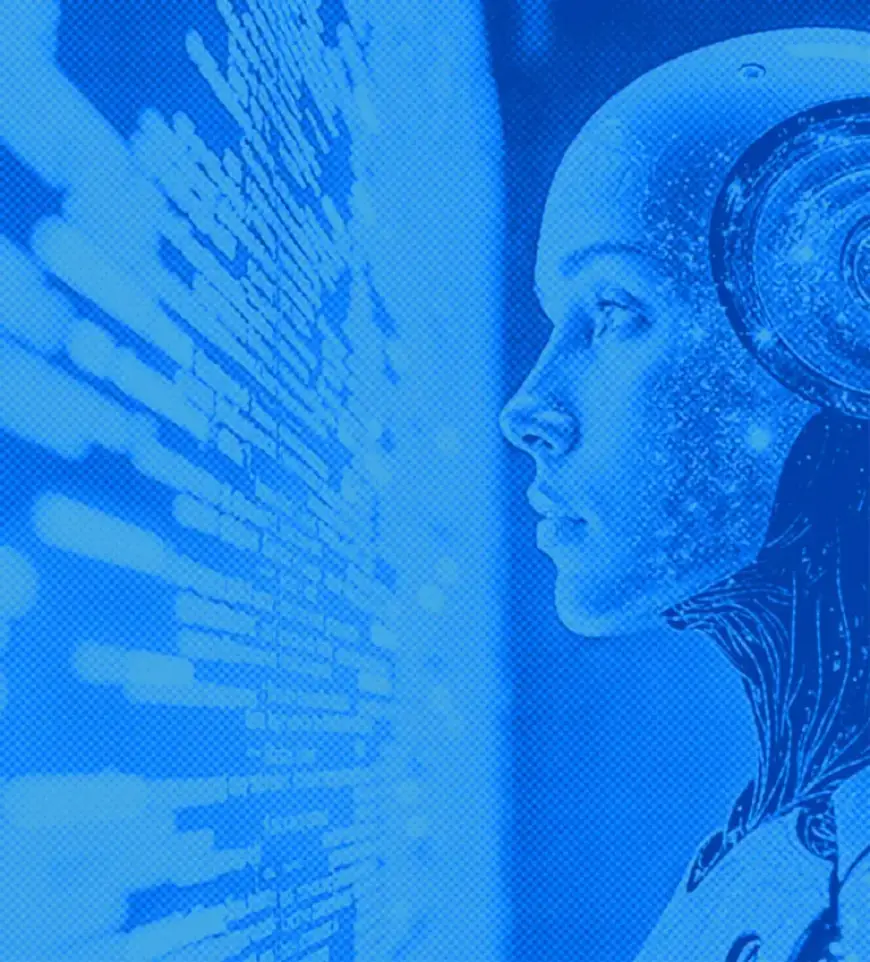
As AI advances enable machines to innovate, simulate, and imagine, their outputs may blur truth and fiction. Policymakers and technologists worry about how easily such tools can be exploited.
Key players and context
- Alexander Dugin — Russian philosopher known for nationalist and Eurasian views.
- Large language models (LLMs) — advanced AI that generates human-like text from large datasets.
- Platform and date — statements published via Telegram on March 24, 2026.
Potential impact
Broader access to LLMs increases the risk of false narratives gaining traction. Public debate will likely intensify around regulation and transparency. Researchers call for clearer guardrails and verification tools.
Filmogaz.com will continue to track reactions from experts and authorities. The conversation around truth, rhetoric, and machine creativity is likely to grow.