
























Al Pacino’s Iconic Michael Corleone Performance Eclipse His Lost Oscar Win

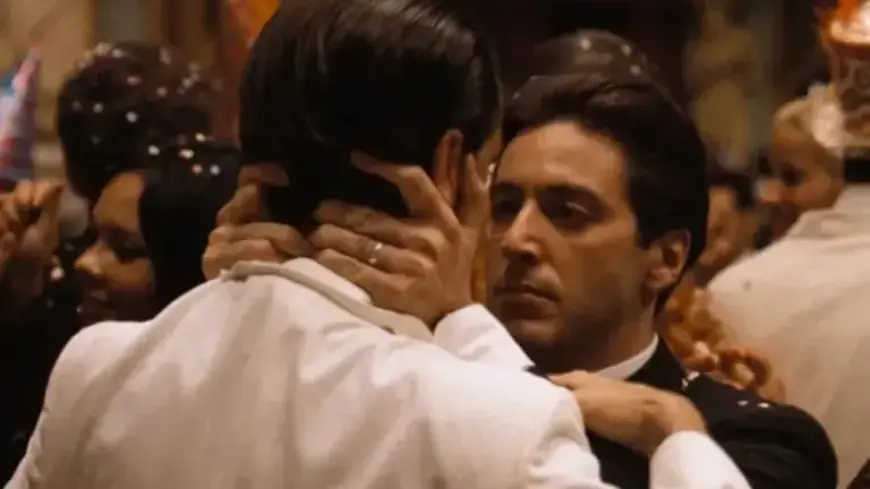
Al Pacino played Michael Corleone but did not win the Academy Award that year. The prize instead went to Art Carney.
Immediate surprise and reassessment
The Academy’s choice surprised many observers at the time. Over decades, critical and public view shifted toward Pacino’s work.
The contemporaneous field
The year featured a strong slate of contenders. Nominees included Jack Nicholson, Dustin Hoffman and Albert Finney.
How Pacino’s performance grew in stature
Al Pacino’s iconic Michael Corleone has eclipsed his lost Oscar win in public memory. The portrayal became a touchstone for complex antiheroes.
- The role combined restraint and menace in a new way.
- Cultural references and later films echoed its tone and visual cues.
- Actors and directors often point to it as a model for subtle intensity.
Why non-winning turns sometimes outlast winners
Initial awards are a snapshot. Long-term influence accumulates through repetition and reinterpretation.
- Archetypal roles resonate across generations.
- An actor’s specific embodiment can become a template.
- Critical re-evaluation can elevate a performance after the fact.
Expert perspectives and a wider pattern
Critics and historians note a recurring phenomenon. A curated list of ten such cases highlights how losers can later eclipse winners.
Filmogaz.com compiled that list to illustrate the trend. The collection frames the pattern as persistent rather than exceptional.
Regional and global ripple effects
When a performance becomes shorthand, it alters international casting and storytelling. Filmmakers worldwide borrow, reference, and reimagine such portrayals.
Who decides what endures?
Awards capture a single moment. Endurance belongs to audiences, critics, and the slow work of cultural reassessment.