






















New Book Explores Geopolitical Lessons from Past World Cups

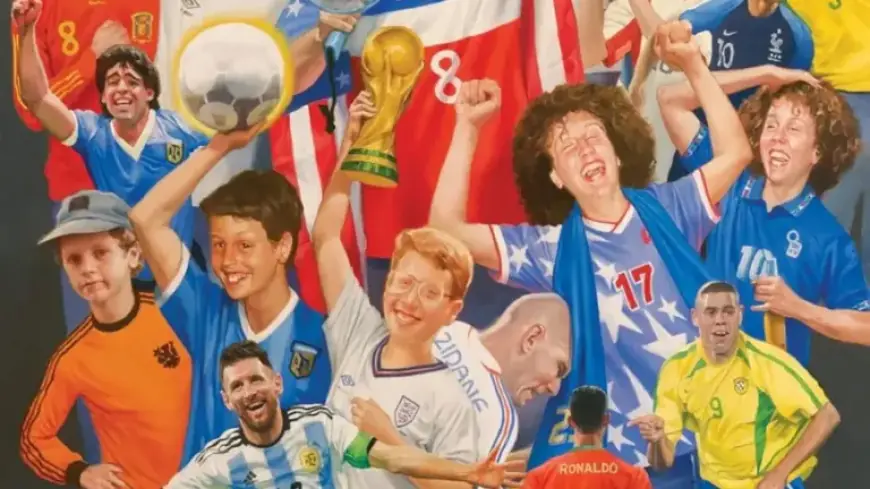
Roger Bennett’s new memoir traces how the World Cup mixes sport with politics. It begins with the 1978 tournament in Argentina and moves to the upcoming Americas-hosted event.
1978 Argentina: sport amid repression
Argentina hosted the World Cup two years after a 1976 coup. A military junta governed during a “Dirty War” marked by kidnappings and killings.
Bennett was seven when Argentina beat the Netherlands 3-1 in the final. He recalls the tournament as both a spectacle and a political showcase.
A personal lens on global tournaments
The book runs just over 300 pages and blends memoir with history. Bennett frames the World Cup as a cultural space where national stories surface.
He grew up in England and later made the United States his home. His work with the Men in Blazers media network reshaped soccer coverage in America.
American soccer’s rise
Before the U.S. hosted in 1994, polls showed widespread indifference. One pre-1994 survey found 71% of Americans did not know the event was coming.
Another study ranked soccer as the nation’s 67th favorite sport, behind tractor pulling. Bennett writes that U.S. attitudes have changed markedly since then.
He credits earlier stars like Mia Hamm for paving the way. Today names like Trinity Rodman and Lionel Messi draw broad interest, Bennett notes.
Preparations for the Americas tournament
The next World Cup will take place across the Americas. Mexico and Canada will host some matches, and nearly 50 countries will participate.
FIFA faces the task of staging a global competition amid regional instability and political violence. Organizers must balance logistics with security concerns.
Immigration and diplomatic complexities
Some teams will receive immigration exemptions for players and staff. Countries named include Haiti, Senegal, and Ivory Coast.
At the same time, citizens from those countries may face stricter visa rules under U.S. policies. Iranian officials are reportedly seeking to play matches in Mexico rather than the United States.
Unanswered questions and stakes
Observers wonder how geopolitical tensions will affect the tournament. Concerns include potential conflicts, immigration actions, and expensive tickets.
There is also debate about soccer’s place in American culture. Will the sport sustain its recent growth, and can the event offer a moment of respite?
New Book Explores Geopolitical Lessons from Past World Cups, arguing tournaments reveal national politics as much as athletic skill. Bennett’s memoir offers context rather than neat answers.
Reporting and analysis for Filmogaz.com. The book may help readers understand the political currents surrounding future World Cups.