























Foreign Office Travel Advice: UK, France and Germany Deny Role as Trump Calls Starmer and Europe Urges Negotiated Solution

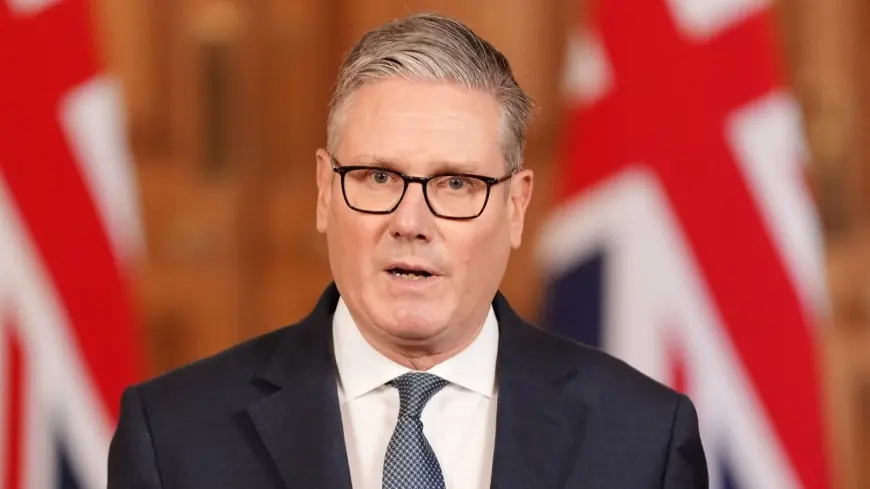
The latest development — a brief, White House-instigated phone call from US President Donald Trump to Prime Minister Sir Keir Starmer, and a rare joint statement from France, Germany and the UK urging Iran to seek a negotiated solution — has put the spotlight on foreign office travel advice for Britons in the Middle East and on what diplomatic restraint now means. The exchanges matter because they underline that the UK, alongside France and Germany, did not participate in US and Israeli strikes and are prioritising defensive measures, citizen protection and calls for negotiation as regional violence escalates.
Trump calls Starmer and the UK’s public account of the discussion
The phone call between President Trump and Sir Keir Starmer was brief and was instigated by the White House. Downing Street's public account described the discussion as: "They discussed the situation in the Middle East. " At the same time, officials and European leaders made clear the UK had not been involved in, nor endorsed, the strikes carried out by the United States and Israel.
Foreign Office Travel Advice and practical measures for Britons
With ongoing attacks in the region, the Foreign Office Travel Advice posture has shifted toward active citizen tracking and contingency planning. The Foreign Office has set up a "Register Your Presence" system for Britons in many Middle Eastern countries so the government can identify where its citizens are and keep in touch. There is clear concern in government about the many British people in the Middle East and the many more who are travelling or due to travel through major hub airports in the region.
European leaders urge a negotiated solution while denying participation
In a rare joint statement, the leaders of France, Germany and the United Kingdom called on Iran to pursue a negotiated solution and made explicit that they did not participate in the strikes. The statement reiterated calls for Iran to end its nuclear programme, curb its ballistic missile programme, refrain from destabilising activity in the region and in members' homelands, and to cease the appalling violence and repression against its own people. The leaders stressed commitment to regional stability and the protection of civilian life, and urged the Iranian leadership to allow its people to determine their own future.
UK defensive posture and legal framing
Sir Keir has repeated condemnation of Iran and of its retaliatory actions against Israel and several Gulf nations hosting US military bases. He has emphasised that British warplanes airborne in the region are there in a defensive capacity and are operating within international law, offering protection for allies facing attacks from Iran. The UK has been explicit that it was not involved in the American and Israeli strikes.
Domestic political division and the diplomatic tightrope
The domestic political reaction has split broadly along right and left lines. The Conservatives and Reform UK have accused Sir Keir of sitting on the fence and failing to offer adequate support to America, for example by not making British bases available to the US air force. The Liberal Democrats and the Scottish National Party have expressed scepticism about President Trump's actions. The prime minister is under pressure from the left to condemn the US strikes as illegal, and from the right to offer open support, while leading a party still marked by sensitivities from the Iraq war era.
Operations, previous limits on basing and emergency planning
British planes are now operating to defend UK interests in the region, an activity the prime minister has framed as consistent with international law. The prime minister is thought to have previously blocked the US from using UK bases over concerns about breaching international law, despite President Trump expressing a desire to use them. Domestically, the prime minister has chaired a Cobra emergency committee meeting to consider how Britain will respond to the attacks as the government balances alliance management and legal constraints.
Regional escalation, civilian harm and wider impacts
Recent regional violence has been severe: Iran and Israel have launched fresh attacks in the wake of the killing of Iran's supreme leader, and there have been casualties linked to strikes in the Gulf — one person killed and 11 injured at Dubai and Abu Dhabi airports as Iran struck the region. European institutions are exploring diplomatic paths with Arab nations and have called on all parties to exercise maximum restraint to protect civilians and respect international law. A naval mission remains on high alert in the Red Sea and stands ready to help keep maritime corridors open.
Economic anxiety and political context
There is also anxiety about the economic consequences of disruption to the Strait of Hormuz, a vital artery for world trade and oil shipments, and what blockages could mean for inflation, interest rates and fuel costs. Domestically, this moment follows what has been described as an extraordinarily turbulent start to 2026 on both international and domestic fronts — including separate developments involving Venezuela and Greenland, and internal political controversies such as the Epstein files, Lord Mandelson and moments of intense political vulnerability for the prime minister — underscoring the scope of potential consequences as events continue to unfold.
These details form the current public picture; events remain fluid and government travel advice and operational postures may evolve as leaders press for negotiation while managing immediate security and citizen-protection priorities.