

























Doha Shelter Orders Hit Residents and Travelers After Regional Strike, Leaving U.S. Embassy on Alert

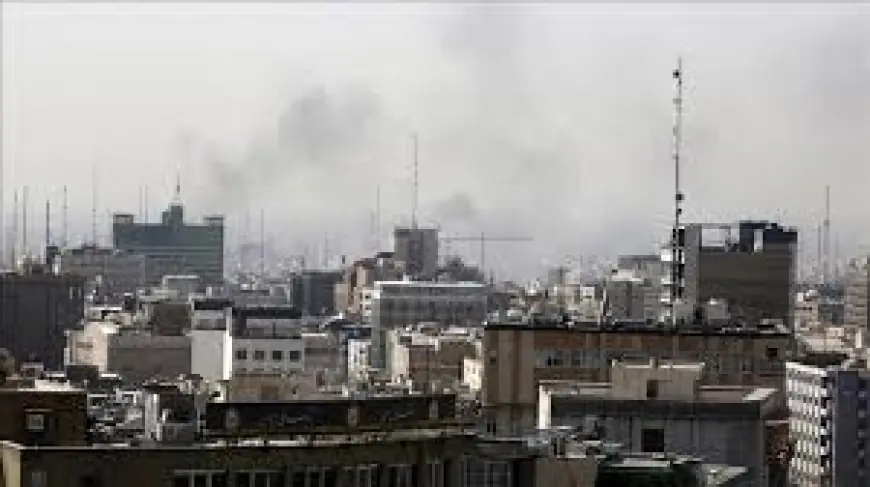
Who feels the impact first: people living in and traveling through doha — where a security alert and multiple foreign advisories have tightened movement and raised immediate safety questions. This matters now because the advisory posture from foreign governments can change how firms, services and individuals manage daily life and travel plans in the city and region, and because a dated embassy alert signals elevated concern on the ground.
Impact in Doha: who is affected and how
Here’s the part that matters: residents, expatriates and visitors in the city face stricter guidance for staying put and reassessing immediate plans. The advisory stance can disrupt airport transit, corporate operations and tourist activities even without a public curfew; for many, the direct effect will be altered movement and heightened vigilance until authorities change guidance.
It’s easy to overlook, but embassy-level security alerts often trigger private-sector responses—employers may pause travel and local services may adjust hours—so individuals should expect practical ripples even if public services remain nominally open.
Event details and official notices
Foreign advisories in the wake of a regional strike are the central facts now on the record: the United States has advised that Americans in Israel, Qatar and the UAE take “shelter in place. ” The United Kingdom has advised its citizens in Qatar to shelter in place after an Israeli attack on Iran. Separately, a Security Alert titled "U. S. Embassy Doha" is dated February 28, 2026.
No further operational details or local government orders are in the available information; timelines and enforcement measures are unclear in the provided context.
Practical guidance and immediate considerations for people in doha
- Follow official embassy and foreign-advisory guidance if you are a foreign national; the current posture explicitly recommends shelter-in-place steps for specified groups.
- Maintain contact with employers, accommodation providers and travel operators for any changes; expect private organizations to act conservatively in response to embassy alerts.
- Prepare basic contingencies for staying put short-term: communication plans, necessary supplies, and a way to receive updates from official channels.
Writer's aside: When an embassy issues a dated security alert, it signals a shift from routine caution to an elevated operational posture — not necessarily a full evacuation, but enough to prompt immediate behavior changes among affected communities.
Mini timeline and immediate signal to watch
- February 28, 2026 — Security Alert: U. S. Embassy Doha (date provided with the alert).
- Subsequent advisory posture: the United States recommends that Americans in Israel, Qatar and the UAE take shelter in place (timing unclear in the provided context).
- United Kingdom advisory: citizens in Qatar are advised to shelter in place following an Israeli attack on Iran (timing unclear in the provided context).
The real question now is how long advisories and the embassy alert remain in effect; a sustained change would be confirmed by updated messaging or lift notices from diplomatic posts.
What this means for organizations and services in Doha
Businesses, service providers and transit operators should expect a period of heightened operational caution. Even without explicit local orders, the combination of a dated U. S. Embassy alert and foreign shelter-in-place recommendations typically leads to conservative decisions by private actors to limit movement or postpone nonessential activity.
For residents and visitors weighing next steps: keep a charged phone, monitor official channels, and be ready for local plans to shift. If you’re wondering why this keeps coming up, it’s because embassy advisories often act as the trigger for a broader ecosystem response that affects daily life more immediately than abstract geopolitical headlines.