

























What Will Spur a Regime Change in Iran?

The Islamic Republic of Iran currently faces significant internal and external challenges, making it arguably weaker than at any point since its establishment in 1979. In recent months, Iranian civil unrest has surged, with widespread protests indicating deep dissatisfaction among the populace. The country has also experienced substantial damage to its nuclear capabilities and military infrastructure due to targeted attacks. As these issues mount, questions arise about the potential for regime change in Iran.
Current Threats and Domestic Unrest
Iran is grappling with a multitude of crises, including economic decline and environmental disasters. The most recent protests have been defined as the largest since the formation of the Islamic Republic. In December and January, civilians expressed their discontent, prompting a violent governmental response that claimed numerous lives.
U.S. Military Options Regarding Iran
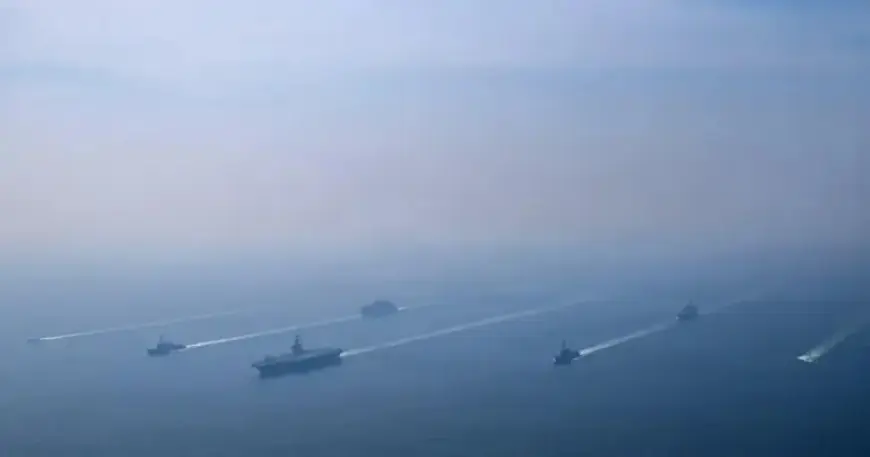
U.S. President Trump has issued threats of military action against Iran. He has positioned naval assets in the region, asserting that the U.S. is ready to respond to any aggressive moves from Tehran. Despite this show of force, there are uncertainties about the long-term U.S. strategy. The current administration appears to oscillate between military threats and a push for diplomatic negotiations centered on Iran’s nuclear program.
Diplomacy Versus Military Action
- Diplomatic Negotiations: Discussions aim to reach a nuclear agreement similar to the one abandoned in 2018.
- Military Stakes: Should negotiations fail, limited military strikes may become more likely.
Despite being weakened, Iran still maintains lethal capabilities that could threaten U.S. forces in the region. Concerns about the potential for a protracted conflict may discourage a full-scale military intervention.
Support for Iranian Protesters
The U.S. has a unique opportunity to support the Iranian people in their quest for change. By weakening the regime’s military capabilities, Washington can help create an environment conducive to revolution. Analysts note that while direct military intervention may not be necessary, tactical support could empower demonstrators.
Strategies to Facilitate Change
- Intelligence Operations: Enhance secure communications for protesters and conduct information campaigns.
- Aerial Strikes: Target Iran’s military infrastructure and missile capabilities to disrupt the regime’s control.
- Support for Defectors: Identify and assist Iranian security forces willing to abandon the regime.
Such measures would not only weaken the Islamic Republic but might also galvanize public support for change, ultimately leading to a potential overthrow of the current regime.
Potential Outcomes and Future Implications
The road to regime change is fraught with risks, but it also presents a chance for the Iranian public to reclaim their nation. Historical parallels drawn from past uprisings suggest that public support is pivotal in any potential transition of power.
Ultimately, the U.S. must strike a balance between military action and supporting the aspirations of the Iranian people. Should U.S. forces successfully assist in diminishing the regime’s stability, they may enable a new era for Iran, free from the oppressive structures currently in place.
Conclusion
The fate of the Islamic Republic hangs in the balance. As external pressures mount and internal dissent grows, the potential for regime change in Iran becomes more pronounced. The international community, particularly the U.S., has a crucial role to play in this transformative period. The focus must be on utilizing military resources effectively while supporting Iranians determined to forge a new future.