






















Pakistan strikes Afghanistan as pakistan conflict escalates

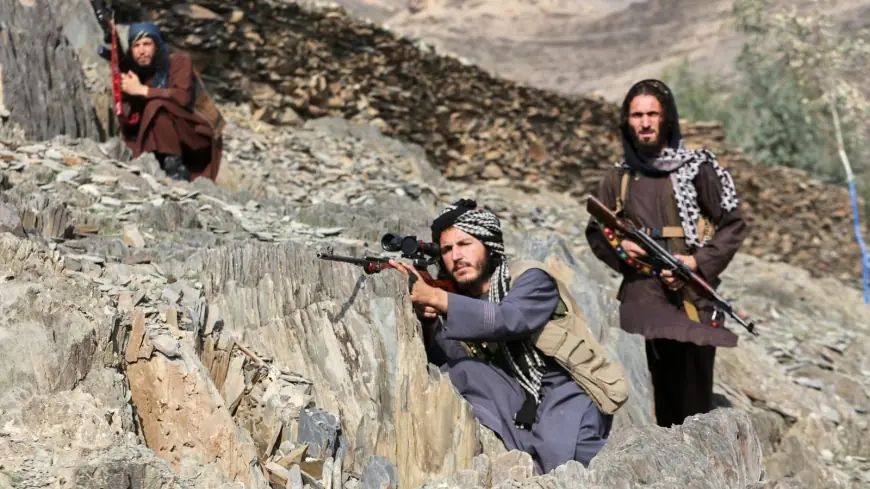
pakistan launched airstrikes on Kabul and other parts of Afghanistan on Friday after the Afghan Taliban announced a major offensive on Thursday night against Pakistani military posts near the border. The strikes mark a sharp escalation in tit‑for‑tat violence that government and military figures on both sides have framed in stark language.
Attack timeline and targets
The sequence began when the Afghan Taliban announced a major offensive on Thursday night targeting Pakistani military posts near the border. Pakistan responded on Friday, bombing the Afghan capital Kabul and what one account described as two other provinces. Pakistani forces say they struck 22 locations across Afghanistan, listing Kabul, Kandahar, Paktia, Langarhar, Khost and Paktika among the targets. Pakistan also released footage it claims shows strikes on Kabul. Live coverage of events was later paused.
Casualty claims and figures
Claims about losses vary and remain unclear. Lt Gen Ahmed Sharif Chaudhry, the spokesperson for Pakistan’s armed forces, said at least 274 Taliban fighters were killed and more than 400 injured since the armed forces launched Operation Ghazab lil‑Haq, and that 22 Afghan military targets were hit. The Taliban’s government said 55 Pakistani soldiers were killed, and it said eight of its own fighters had died and 11 been injured; it added 13 civilians were injured after a reported Pakistani attack on a refugee camp in Nangarhar province east of Kabul. Afghanistan also says it captured several Pakistan soldiers, a claim Islamabad denies. One update said at least 12 Pakistani soldiers were killed. None of these figures has been independently verified and true numbers remain unclear.
Pakistan defence and politics
Pakistan’s prime minister said the country has "the full capability to crush any aggressive ambitions", and the defence minister declared an "open war" on the Afghan Taliban. Military spokespeople said operations were ongoing on the orders of the prime minister. The Pakistani armed forces named their operation Operation Ghazab lil‑Haq as part of the campaign.
Open war declaration
The defence minister’s declaration of "open war" has been echoed in public statements and in social media exchanges. A spokesperson for the Afghan Taliban posted on X that it had responded with renewed attacks against Pakistani troops; that post was later deleted. Afghan their forces attacked Pakistani border troops in retaliation for earlier airstrikes by Islamabad. Both sides have claimed to have inflicted heavy casualties on the other.
International reactions and appeals
Friday’s events escalated a long‑running conflict that prompted the United Nations, China, Iran, Turkey and Saudi Arabia to call on both sides to stop fighting. Observers note the clash follows a ceasefire brokered by Qatar and Turkey that halted deadly clashes in October; negotiations since then have failed to produce a lasting agreement. Since the Taliban’s return to power in 2021, relations between Afghanistan and Pakistan have oscillated, and Islamabad accuses Afghanistan of harbouring Pakistan Taliban (TTP) militants who attack across the border. The two countries share a disputed 1, 600‑mile Durand Line.
Voices and expert analysis
Journalist Kathy Ganon described the air strikes as a "serious escalation, but it's not new, " calling the tit‑for‑tat violence "really problematic" and hard to predict. Ganon told anchor Steve Lai that shifting political alliances and the use of militant groups by states are key factors, and she said Afghanistan had been drawn closer to India. Zalmay Khalilzad said the tensions have created a "terrible dynamic that must stop, " adding that "innocent Afghans and Pakistanis are getting injured and killed, " and he urged a diplomatic agreement monitored by a third party such as Turkey. Military analyst Michael Clarke described the conflict as a "genuine war, " said there had been a series of provocations since October that led to talks in Istanbul the following month which never concluded, and remarked that "the one who could stop it is Donald Trump. " Asia correspondent Cordelia Lynch noted Pakistan’s conventional strengths, including a nuclear arsenal of 170 warheads, strong recruitment and retention in its armed forces, and a robust relationship with China that supports a steady flow of equipment.
Editorial and reporting credits on one account of events included editors Tessa Wong and Ayeshea Perera and reporting from Mahfouz Zubaide, Yogita Limaye and the Afghan service.
All parties’ statements and casualty claims remain contested and unverified as international appeals for restraint continue.