






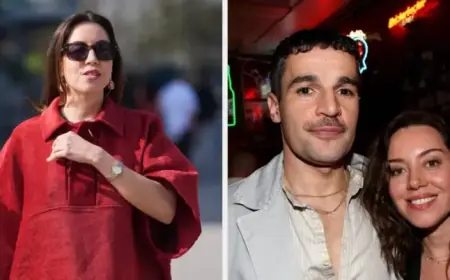






Rob Rausch Has Been Training Long and Hard for Murrrder on The Traitors — Don’t Hate the Player

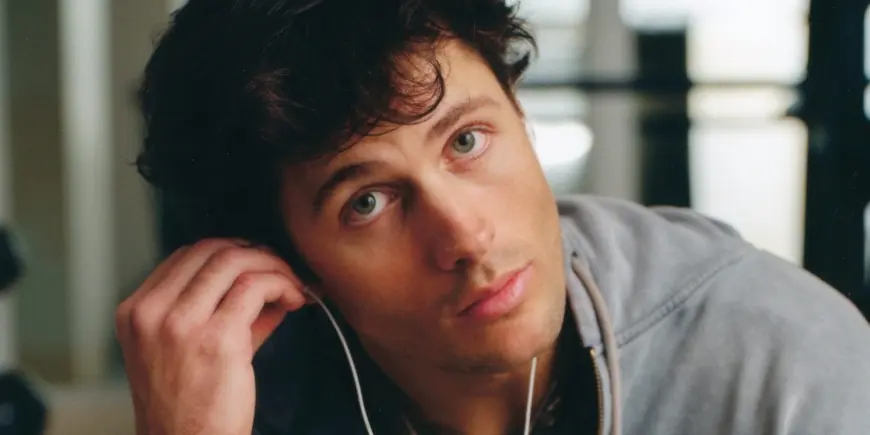
Why this matters now: as the series closes its fourth season, rob rausch's rise from a farm in Alabama to the center of the castle game changes how fans judge strategy and charisma on reality TV. His blend of calculated play, physical steadiness and unexpected backstory has shifted viewer conversations and left a clear footprint on the season’s final trajectory.
Why fans and players are recalibrating expectations
Here’s the part that matters: long before the finale, viewers began treating this season less like a gimmick and more like a study in social strategy. rob rausch’s presence—part snake-wrangler, part chess player, part dating-show alum—has made casual viewers notice subtler moves and made veteran reality-watchers reassess what counts as strong gameplay. That shift is noticeable in online chatter and in how Faithfuls inside the castle approach voting and alliances.
How Rob Rausch reshapes the finale dynamic
Rob Rausch started the game aligned with two well-known reality names in the Traitors’ turret: Lisa Rinna and Candiace Dillard Bassett. He has outlasted them, survived Traitor-on-Traitor confrontations, and now enters the season finale alongside a recently inducted fellow Traitor, musician Eric Nam. Opposing them are Faithfuls Johnny Weir, Tara Lipinski, Mark Ballas, and Maura Higgins—players still poised to change the outcome. The setup converts the remaining rounds into a tight calculus of timing, persuasion and risk-taking rather than brute social power.
What the production and format context adds
The Traitors’ premise is a theatrical twist on the party game Mafia, staged in a Scottish castle with a host who leans into flamboyant presentation—an aesthetic that amplifies every whisper and accusation. The format traces from an original Netherlands launch in 2021 to a U. K. adaptation in 2022; the U. K. and U. S. editions use the same castle location while more than two dozen international versions use other locales. The U. S. edition began in 2023 and focused on casting many reality personalities and celebrities, a choice that continues to shape its audience appeal and the level of celebrity-driven strategy on display.
Player profile and human details that matter
At 27, the Alabamian former Love Island contestant brought unexpected tools into the castle: snake-handling, chess-thinking, Mark Twain references, and a calm temperament described by fellow players as even-keeled and mensch-like—qualities that complicate how others size him up. He paused work on his Alabama farm to play; on-camera conversations noted that he credits some grounding to lessons learned on Love Island, and that he kept energy up with simple practices like eating hard-boiled eggs. Off the competition floor, his sartorial challenge—dressing to impress a room full of fashion-conscious contestants—added a lighter but telling pressure point to his season arc.
Implications for audience groups and momentum
- Casual viewers: more likely to tune in for personality-driven moments rather than only eliminations.
- Reality-strategy fans: the season serves as a reference point for how a balance of likability and cold calculation can carry a Traitor deep into the game.
- Contestants and future casts: producers may prefer complex, multi-dimensional players who bring both spectacle and strategic chops.
Don’t hate the player: the arc here suggests the show rewards those who can perform warmth while making stealthy choices.
One small production-side note: when attempting to read local coverage, some regional pages displayed a "browser not supported" notice recommending readers update to a modern browser for the best experience—a reminder that distribution matters for who sees and discusses these moments in real time.
Writer's aside: It’s easy to overlook how much simple habits—an interview-ready wardrobe, a steady way of speaking, even snack choices—can tip the social scales in a format this sensitive to perception.
The real question now is whether the Faithfuls still in play will recognize the patterns Rob Rausch has set and adjust quickly enough to prevent a Traitors victory. If they do not, this season could be remembered as the one where a farmhand-turned-strategist rewrote expectations for what makes a winning player in this high-stakes social experiment.
Note: this piece was featured in a monthly newsletter that recommends one in-depth interview for readers wanting to flex their pop-culture knowledge; sign-up prompts referenced in that context are not included here.