



















Paramount takeover edges closer after Netflix drops Warner Bros bid, shifting the stakes for Hollywood

What changes now is immediate: with Netflix stepping back, paramount attention will fall to regulatory scrutiny and the ripple effects across news and entertainment assets. Paramount Skydance’s roughly $111bn proposal for Warner Bros Discovery has resurfaced as the likely winner in a months-long contest, but approval is far from guaranteed and will shape who controls major film libraries and media networks first.
Paramount’s position and the likely consequences
Paramount Skydance’s increased offer — valued at about $111bn (£ 82. 2bn) — follows a head-to-head rivalry with Netflix that was decisive this week. Warner Bros said that Paramount’s latest bid was "superior" to Netflix’s, and Netflix refused to raise its prior offer. The buyer would obtain control of the studio plus its films and media networks, a change that could significantly reshape the media landscape and the ownership of major news brands.
How the bidding unfolded (event details)
Last December, Warner Bros accepted a Netflix takeover offer covering some assets, in a deal estimated at roughly $82bn (£ 61bn) including debt. Paramount then submitted a rival proposal that was initially rebuffed by Warner Bros; earlier this week Paramount boosted that bid by $1 per share. Netflix executives said they declined to match Paramount’s price because "the deal is no longer financially attractive" at that level. The Netflix co-chief executives Ted Sarandos and Greg Peters framed the transaction as optional — "a 'nice to have' at the right price, not a 'must have' at any price" — and said the earlier negotiated transaction would have created shareholder value with a clear path to regulatory approval.
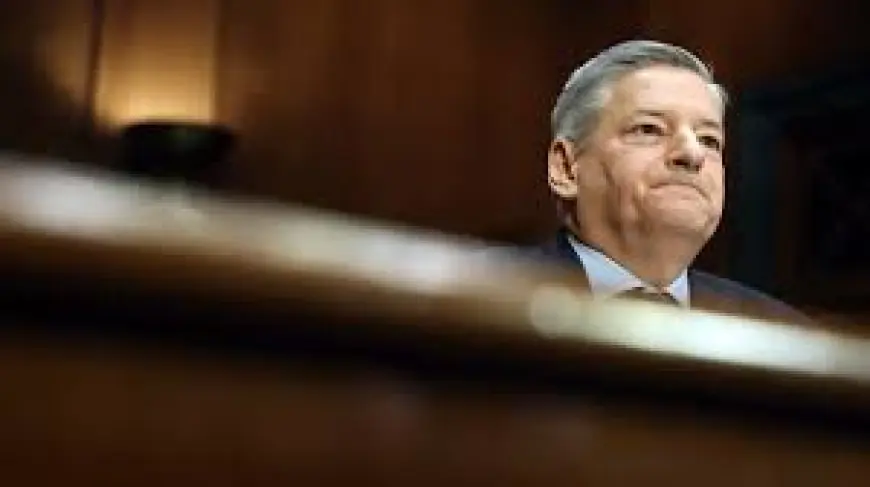
Here’s the part that matters: the announcement that Netflix was withdrawing came just hours after Ted Sarandos visited the White House on Thursday, underscoring how closely watched this contest has been.
Regulatory roadblocks and official responses
The competing bids now face multiple layers of review. Paramount would need clearance from the US Department of Justice as well as European regulators. California Attorney General Rob Bonta warned that the potential merger "is not a done deal, " noting an open investigation by the California Department of Justice and pledging a vigorous review in a social media post. Bonta had also said earlier this month that his office would scrutinize any Warner Bros transaction because the entertainment industry represents a "critical sector" for California's economy.
Direct stakes:, corporate backers and leadership
A takeover by Paramount could hold serious ramifications for, since Warner Bros is ’s parent company. Paramount is positioning itself to become a larger Hollywood heavyweight: the bid is backed by tech billionaire Larry Ellison and led operationally by his son David. That mix of capital and leadership is central to why the Paramount bid moved ahead after Netflix stepped back.
The real question now is whether regulators in the US and Europe will approve a deal that would reallocate ownership of some of the industry’s most valuable content and news assets.
- Key takeaway: Netflix withdrew from the Warner Bros purchase fight, saying the price made the deal unattractive.
- Key takeaway: Paramount Skydance’s roughly $111bn offer is now the front-runner after an uptick of $1 per share earlier this week.
- Key takeaway: Warner Bros put itself up for sale last year and had accepted a different Netflix offer last December worth about $82bn including debt.
- Key takeaway: Regulators—US Department of Justice, European authorities, and the California Department of Justice—are set to play decisive roles; the California Attorney General emphasized active scrutiny.
- Key takeaway: Ownership changes could directly affect, since Warner Bros is its parent company, and control would shift to the Paramount-backed consortium led by David Ellison with Larry Ellison as a backer.
It’s easy to overlook, but this is more than a corporate asset swap: it is a consolidation that would re-map rights to films, networks and a major news brand. The months-long saga may conclude with a sale, but only after reviews that could alter deal terms or timing.
Writer’s aside: the sequence of offers and counteroffers, and the timing of high-level meetings, illustrates how quickly strategic calculations can change when regulatory risk and price collide. Unclear in the provided context is the precise timetable regulators will set; that will determine how soon any transfer of control could occur.
The battle over Warner Bros has been described in sharp terms elsewhere as turning Hollywood upside down; for now, Netflix has stepped back and Paramount stands poised—but regulatory gates remain the defining hurdle before ownership actually changes hands.