

























Blueberry Recall: Oregon Potato Company Pulls Nearly 56,000 Pounds of Frozen Fruit Over Life-Threatening Listeria Risk

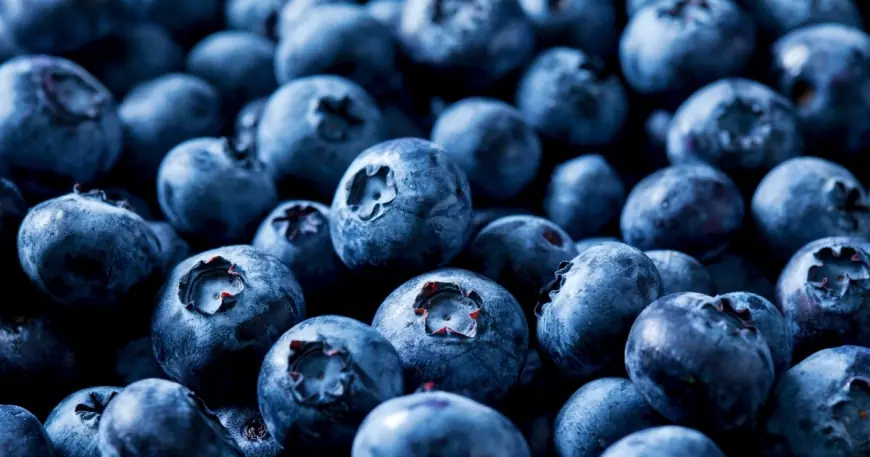
Federal regulators upgraded a blueberry recall after Oregon Potato Company flagged a large shipment of frozen, individually quick-frozen blueberries for potential Listeria monocytogenes contamination; the action was raised to a Class I recall because exposure could cause serious adverse health consequences or death. The recall was first initiated on Feb. 12 and was the subject of a public notice dated February 26, 2026 at 4: 15 PM ET. This blueberry recall matters because it involves bulk commercial shipments, multiple lot codes and cross-border distribution that could affect ingredients in downstream products.
Blueberry Recall: scope, lot codes and packaging
Characterizations of the total quantity vary across notices: documents and notices describe the volume as 55, 000 pounds, more than 55, 000 pounds, nearly 56, 000 pounds, and specifically 55, 689 pounds. The recalled items include two packaging formats:
- 30-pound cases packaged in polyethylene bags within corrugated cases with a specialized dual-layered design; these cases carry expiration dates from July 23, 2027, to July 24, 2027, and lot codes 2055 B2, 2065 B1 and 2065 B3.
- 1, 400-pound totes packaged in polyethylene liners within Gaylord totes (heavy-duty, industrial-grade plastic bags in large bulk-shipping containers); the affected totes carry lot codes 3305 A1 and 3305 B1 and both expire on Nov. 25, 2027.
Who is recalling the blueberries and how they were distributed
The recall was initiated by Oregon Potato Company, a family-owned business in Salem that specializes in frozen and dehydrated potatoes, vegetables, and fruits and produces frozen fruit and vegetable products. The company initiated the recall email on Feb. 12. The frozen blueberries were not sold directly to consumers in retail stores; instead the product moved between businesses within the supply chain. Distribution included Michigan, Oregon, Washington and Wisconsin, and also extended throughout Canada. It is unclear whether consumers purchased the product through other channels. Oregon Potato Company did not respond to requests for comment.
Health risks from Listeria and vulnerable groups
The recalled product is potentially contaminated with Listeria monocytogenes. L. monocytogenes can be present where food is harvested and processed and can also be found in soil, water, sewage, rotting vegetation and animals. Listeria monocytogenesis is a disease-causing bacteria that can cause foodborne illness.
There are two forms of listeriosis: a less severe form with mild symptoms and a more serious, potentially life-threatening form. Symptoms listed in public notices include fever, diarrhea, vomiting, muscle aches and nausea for milder illness, and headache, stiff neck, confusion, loss of balance and convulsions for the more severe infection. Populations identified as most at risk include newborns, pregnant women, adults over 65 and people with weakened immune systems.
Timeline, classification and current status
The initial recall notice was made on Feb. 12. Regulators later upgraded the action to a Class I recall on a Tuesday following that initial notice; the Class I designation is defined as meaning there is a reasonable probability that use of or exposure to the violative product will cause serious adverse health consequences or death. The recall was initiated email and remains ongoing. The U. S. Department of Health and Human Services oversees the agency that issued the public notice.
What is known and what remains unclear
Known facts: the exact lot codes and expiration dates for 30-pound cases and 1, 400-pound totes have been published; distribution reached multiple U. S. states and Canada; packaging and bulk-shipping formats have been specified; and the company that initiated the action is identified as Oregon Potato Company of Salem. Notices describe the amount involved in overlapping ways, from a rounded 55, 000 pounds to the specific figure of 55, 689 pounds and the characterization of nearly 56, 000 pounds.
Unclear in the provided context: precise retail or commercial endpoints where the product entered the marketplace, whether any contaminated product reached consumers through channels outside retail stores, and whether any illnesses have been confirmed in connection with these lot codes. The public record also notes that FDA did not specify where the blueberries were sold or how consumers may have come into contact with them. Rebecca Cohen is named in one public note as a breaking news reporter.
Given the Class I upgrade and the bulk, business-to-business distribution model, this blueberry recall is likely to affect manufacturers and processors that use bulk frozen fruit. The situation remains developing and details may evolve as investigators trace downstream movement of the affected lots.