





















Pokemon 30th Anniversary: Fans, fresh logos and why the franchise remains a monster hit

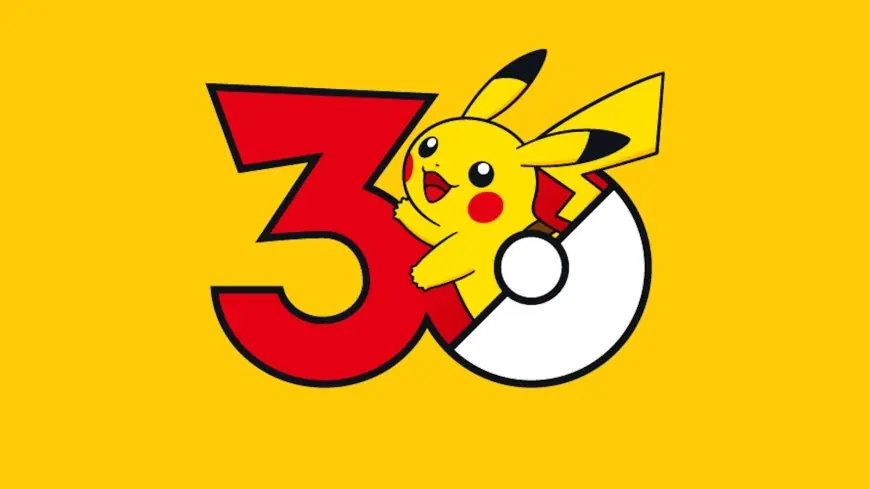
The Pokemon 30th Anniversary has prompted a wave of celebration and reflection, blending nostalgia with a new marketing push that underlines why the franchise remains a global phenomenon. Thirty years after the original Pocket Monsters launch in Japan, the brand's cross-platform reach—from animated series and movies to a trading card game and a mobile phenomenon—continues to bring in new fans and energize longtime followers.
Pokemon 30th Anniversary: Every Pokémon got a special logo
As part of anniversary activity, a special logo was created for every individual Pokémon. The rollout includes more than 1, 000 unique logos that mirror the look of the main anniversary mark: a design that places the Pokémon to the right, uses a Poké Ball-like zero, and color-codes the three in 30 to complement each creature. Logos have appeared in public displays in cities across Japan, with fans capturing them in transit hubs and on social media.
The logo program is one element of a wider marketing push tied to the anniversary. High-profile promotional moments have included a celebrity pairing in a major live-event advertisement, hospitality options with themed rooms, and re-releases of classic titles for newer hardware. The schedule of reveals also includes a dedicated showcase stream on Feb. 27; details of what will be announced during that stream remain to be seen.
Thirty years on, Pokémon is still a monster hit: fan perspectives and platform spread
Fans and players point to accessibility and versatility as core strengths that have kept the franchise relevant. The franchise's play patterns have grown to include a wide range of activities, and many fans value that there is no single correct way to engage with it. For some, collecting and battling in the trading card game is central; for others, the video games, animated series, or augmented-reality experiences provide their primary connection.
The original games launched on a popular handheld in 1996 with modest expectations, but strong word-of-mouth plus an affordable console price led to sales of more than one million copies in the first year. An animated TV series and the trading card game helped turn that early momentum into a mainstream craze, enough that schoolyards once banned the cards amidst intense collecting and trading activity.
The franchise experienced another global surge with the release of a mobile augmented-reality game in 2016 that used GPS and camera features to place creatures in the real world. That app has been downloaded more than a billion times and introduced the brand to new audiences. During the Covid-19 pandemic there was an explosion of Pokémon-related content, with the trading card game in particular seeing a marked increase in interest.
Voices from the community reflect the variety of engagement. A streamer known for Pokémon content highlights the series' wide appeal, noting that the franchise is "unique" because of the many legitimate ways to play. A young competitive card player illustrates that depth by focusing on card battles while rarely playing the video games. Those perspectives show a franchise that supports both casual and dedicated participation across different forms.
The Pokemon 30th Anniversary is thus playing out on two fronts: a celebratory marketing push that visibly honors individual creatures and a continuing cultural conversation among fans about what the series means. With new promotional elements and a scheduled showcase stream, the anniversary is serving not only as a moment of reflection but also as a platform for next steps. Details may evolve as the campaign unfolds, and fans are watching closely for further announcements.