






















Monarch: Legacy of Monsters Expands the MonsterVerse With Human Drama and Global Stakes

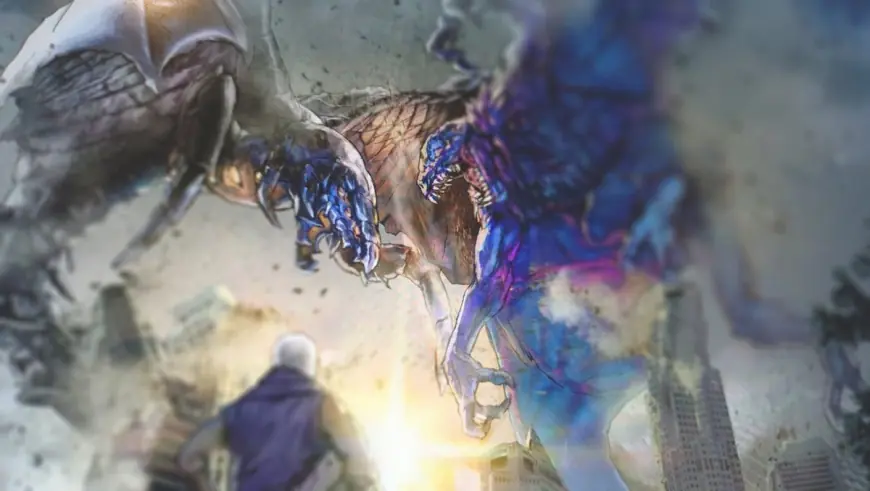
Monarch: Legacy of Monsters continues to build out the MonsterVerse with a character-driven story that bridges generations, timelines, and the shadowy organization at the center of humanity’s response to Titans. The series deepens the mythology introduced in films like Godzilla and Godzilla vs. Kong, shifting the spotlight from pure spectacle to the emotional fallout of living in a world shaped by colossal creatures.
Set across multiple decades, the show weaves together the early formation of Monarch in the 1950s and the post–Godzilla San Francisco reality, where secrets, cover-ups, and buried family histories collide.
What Is Monarch: Legacy of Monsters About?
At its core, Monarch: Legacy of Monsters follows two siblings who uncover links between their father and the covert agency Monarch after the world-changing events of Godzilla’s reemergence. Their investigation uncovers classified missions, hidden research sites, and connections that stretch back to the Cold War era.
The narrative alternates between modern-day timelines and flashbacks to Monarch’s earliest Titan encounters, revealing how governments struggled to understand — and control — forces far beyond human scale.
Rather than focusing solely on monster battles, the series leans heavily into mystery, espionage themes, and generational trauma. The result is a more intimate entry in the MonsterVerse, even as Titans loom in the background.
How It Connects to the MonsterVerse
Monarch serves as the connective tissue of the MonsterVerse, linking giant creature encounters to political and scientific decision-making. The organization has appeared in multiple films, but the series finally pulls back the curtain on its origins and internal conflicts.
By exploring Monarch’s formation and evolving mission, the show explains:
-
Why governments kept Titan existence secret for decades
-
How early expeditions encountered unknown species
-
The ethical dilemmas surrounding containment and coexistence
The series also expands the global scale of Titan activity, suggesting that Godzilla is only part of a much larger ecological puzzle.
Cast and Production
The show features a cross-generational cast portraying Monarch agents across different eras. High production values are evident in its creature design, visual effects, and detailed period recreation in flashback sequences.
Unlike blockbuster films that center on explosive Titan showdowns, Monarch: Legacy of Monsters balances spectacle with tension-driven storytelling. Titan appearances are strategic and impactful, often used to underscore emotional turning points rather than dominate screen time.
Audience Reception and Critical Response
Reception has highlighted the show’s ambition. Fans of the MonsterVerse appreciate the deeper lore and expanded world-building, while some viewers note that the pacing is more deliberate compared to the action-heavy films.
The series has been praised for:
-
Expanding Titan mythology without contradicting established canon
-
Developing Monarch into a morally complex organization
-
Blending science fiction with political intrigue
For longtime MonsterVerse followers, the show fills narrative gaps between films while introducing new characters whose arcs may influence future cinematic entries.
What’s Next for Monarch?
With the MonsterVerse continuing to grow, Monarch: Legacy of Monsters positions itself as a narrative anchor. By grounding the franchise in human consequences and institutional secrecy, it creates room for future Titan conflicts to feel more personal and globally consequential.
As anticipation builds for the next MonsterVerse film, the series serves as both prequel and bridge — reinforcing that in a world of giants, the smallest decisions can carry the biggest impact.