







Nfl Combine sprint times and pundit presence shift draft attention — who feels the immediate impact in Indianapolis

What matters first at this year's nfl combine is whose draft stock moves — not just who runs fastest. Early workouts and high-profile media coverage in Indianapolis are already changing which prospects scouts will re-check on tape, which front offices will re-rank, and which players will face tougher interview scrutiny. The immediate ripple will be felt most by mid-round hopefuls and teams juggling swing picks.
Nfl Combine implications: prospects and front offices with the most to gain or lose
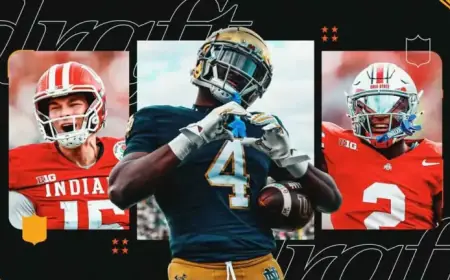
Here’s the part that matters: performances at on-field workouts and the way those moments are framed by analysts can accelerate draft movement. Texas Tech’s David Bailey posted an official 4. 50 in the 40-yard dash during a workout day for defensive linemen and linebackers, a measurement that will be folded into team medical and film evaluations. Ohio State linebackers Sonny Styles and Arvell Reese produced the day’s top times in their group — official 4. 46 tied for the best among linebackers, edge rushers and defensive linemen — and also turned in unofficial runs at 4. 47 in live attempts; Reese additionally had an unofficial 4. 49 on his first try. A recent mock draft projects Reese at No. 4 overall, a projection that could be amplified by these numbers.
Stakeholders affected include draft-eligible players trying to rise, NFL scouting departments weighing measurables against tape, and agents managing expectations. Teams with late first-round or early second-round swing picks will be watching these workouts especially closely for players like Bailey, Styles and Reese. The real question now is whether official times will consistently match what scouts see on tape or if these numbers force quick re-evaluations of scheme fits and medical follow-ups.
What’s easy to miss is how presentation matters: a Ravens safety objected to how his draft profile was shown side-by-side with Sonny Styles during a broadcast segment, and he publicly called that framing out; the player posted a social-media message describing how the comparison made him feel marginalised. That reaction illustrates how on-site coverage can become part of the story itself, influencing perceptions before teams complete interviews.
Event details and schedule: what happened on the field and where to watch
- Dates for the overall scouting event run from Feb. 23 through March 2; on-field workouts are scheduled from Feb. 26 through March 1.
- Venue: Lucas Oil Stadium in Indianapolis.
- Thursday’s on-field groupings: kickers, defensive linemen and linebackers.
- Friday: tight ends and defensive backs.
- Saturday: quarterbacks, wide receivers and running backs.
- Sunday: offensive linemen.
- A TV channel was listed for broadcasts of the event.
Notable on-field facts that must be carried forward: Texas Tech’s David Bailey — official 4. 50 in the 40-yard dash at a workout designated for defensive linemen and linebackers; Sonny Styles and Arvell Reese — official 4. 46 times tied for the fastest of their day among LBs, edge rushers and defensive linemen; Reese’s earlier unofficial 4. 49 and later 4. 47 unofficial attempts were part of a live sequence where Styles also posted an unofficial 4. 47.
Media and team voice lineup filling the combine floor
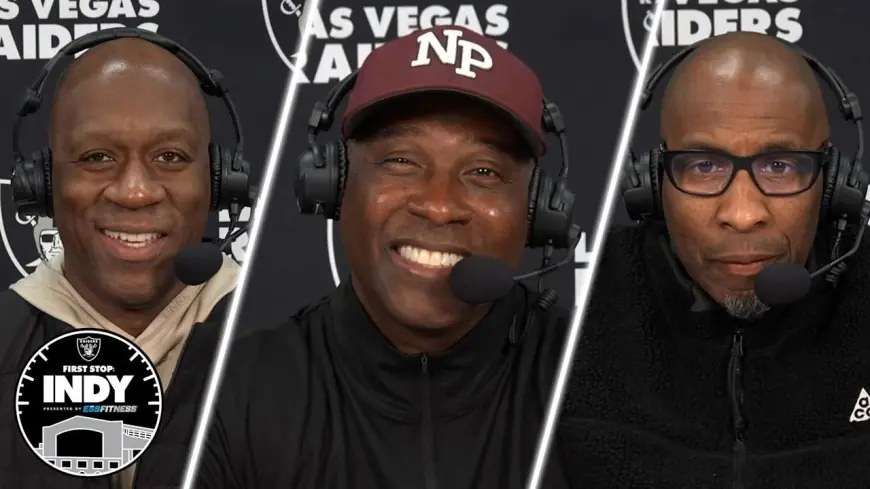
On-site coverage and conversation is broad: Paul Gutierrez is joined at the event by analysts Bucky Brooks, Charles Davis and Jeffri Chadiha, and by Cynthia Frelund, Rhett Lewis and Kirk Morrison in other segments. Team and coaching figures engaging on combine themes include Head Coach Klint Kubiak — who touched on promoting defensive coordinator Rob Leonard and referenced Maxx Crosby — and General Manager John Spytek, who discussed Klint Kubiak, Maxx Crosby and broader combine topics. Separately, Head Coach Pete Carroll addressed his hiring of offensive coordinator Chip Kelly and related combine notes; John Spytek also spoke about past combine cycles, re-signing safety Isaiah Pola-Mao and the quarterback position.
Organizers and media have also repackaged highlights from previous years: best-moment compilations from the second and first groups of quarterbacks and wide receivers at the 2025 combine, positional reels from the 2025 running backs, offensive linemen, safeties, linebackers, cornerbacks, tight ends and defensive linemen, and top moments from the quarterbacks at the 2024 combine were all referenced as context for this year’s evaluations.
Short takeaways and signals that would confirm movement
Immediate implications: strong official 40 times for edge and LB prospects tend to nudge boards when combined with clean medicals; inconsistent official and unofficial times create follow-up work for scouts. Who is affected first: mid-round prospects fighting for Day 2 grades and teams with flexible early picks. Signals that would confirm a sustained shift include repeated medical clearance, matched times in private workouts, or teams scheduling early interviews with these players.
Writer’s aside: the combine always produces a handful of standout metrics that look bigger in real time than they do after tape study — patience from evaluators usually sorts performance flash from repeatable traits.
Recent updates indicate several strong showings and spirited coverage; details may evolve as interviews and medical reports finish and teams file their final pre-draft evaluations.