












By Election in Gorton and Denton: Three-way fight strains First Past The Post and could reshape party narratives

The outcome of this by election matters because it could alter the political calculations of three parties and sharpen criticism of the electoral system. A Labour defeat would amplify questions about the decision to block the mayor of Greater Manchester from standing; a Green victory would be the party’s first Westminster by-election win; a Reform UK win would suggest poll leads are translating into votes on the ground. Ballots are being counted now and the result is expected in the early hours.
By Election consequences for Labour, the Greens and Reform UK
What changes if any of the three outcomes materialise is clear in the current coverage: a Labour win would bring relief for the party leadership, while a loss would raise hard questions about that leadership’s strategy and the blocking of Andy Burnham from contesting the seat. A Green win would mark a first-ever Westminster by-election victory for the party and be touted by its leader as proof of traction on the left. A Reform UK victory would be presented as confirmation that its polling strength can convert to votes on the ground. There is also a wider system-level argument being pushed that First Past The Post struggles with three-way contests like this one.
Counting now under way and a tense timetable for declaration
Ballots are being counted at Manchester Central, where counting is under way amid subdued nerves. Organisers expect to declare a result between 3am and 4am on Friday, though that timing is subject to change and one report said the result would be declared at about 4am. Activists across the political spectrum have been cautious about predicting an outcome after a final day of door-knocking; there is an expectation of a very close result and a recount remains possible. Edited coverage credits list Owen Amos and Angus Thompson, with Jack Fenwick reporting from the count in Manchester; Kevin Fitzpatrick is named as a Greater Manchester political reporter present at the scene.
Candidates, triggers and local friction
The by election was triggered by the resignation of former Labour MP Andrew Gwynne on health grounds in January; the former MP was also under investigation by parliament over offensive messages he sent in a WhatsApp group of a local Labour figure. Labour selected Angeliki Stogia after the mayor of Greater Manchester, Andy Burnham, was prevented from standing. Reform UK’s candidate is Matt Goodwin, an academic-turned-presenter who has faced criticism for previous comments about women, Muslims and British citizenship. The Greens put forward Hannah Spencer, a Trafford councillor who works as a plumber by trade. Green leader Zack Polanski said before voting that his party was "neck and neck" with Reform UK in seeking to overturn Labour’s 13, 413-vote majority; nearly 80% of voters in the constituency backed a party on the left at the 2024 election.
Concerns about voting practice and a wider critique of the system
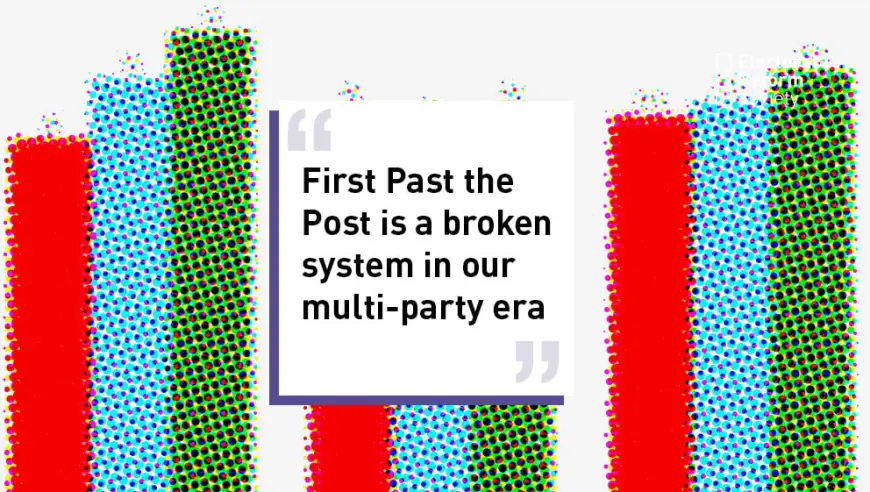
Election observers have raised concerns about what they described as "concerningly high" levels of "family voting" at polling stations; that claim is disputed by the council. Separately, critics of First Past The Post argue that the system is ill-suited to multi-party contests: the 2024 general election was described as highly disproportional, with Labour winning almost two-thirds of MPs from just over one-third of votes, and the current three-way contest is presented as an example of where many ballots risk being effectively ignored if a candidate wins with under a third of support. The argument includes a comparative note: Scottish local elections use Single Transferable Vote, a preferential system that allows votes to transfer until someone achieves a majority.
- Expectations and signals: a result between 3am and 4am, declaration timing may shift and a recount is possible.
- Immediate stakeholders: Labour leadership, the Green leadership and Reform UK campaign teams will all interpret the result as a signal about national momentum.
- Local dynamics to watch for confirmation: turnout patterns, any recounts, and how tactical messaging from Labour and the Greens affected left-leaning voters.
- System-level takeaway: the contest is being used to illustrate strains in First Past The Post when three parties are competitive.
The real question now is whether the result will change the narrative for any of the parties ahead of local and devolved elections expected in about 10 weeks. It’s easy to overlook that the by election has already generated unusual campaign choices—attack adverts accusing the Greens of endorsing drugs policy and direct warnings that a Green vote could help Reform reflect tactical pressures described in the constituency.
One lighter but telling moment: Sir Oink A-Lot, the candidate from The Official Monster Raving Loony Party, arrived at the count with his campaign team and drew photographers while predicting a "landslide of lunacy". The mix of high political stakes and eccentric theatre underline how volatile this contest has felt locally.
It’s also notable that commentators have framed the possible outcomes in stark terms: phrases such as a Labour defeat being "terminal" for the leadership’s right-leaning strategy, or a Green victory signalling a new challenge on Labour’s left, have been used in analysis. Recent coverage emphasises that any final reading of momentum will depend on the confirmed vote tallies and, if margins are thin, potential recounts.
What’s easy to miss is that while this by election may produce a headline winner, it is simultaneously feeding a larger debate about representation and electoral mechanics that several participants say is long overdue.