






















By Election in Gorton and Denton: a potential turning point for Labour, Reform and the Greens — what changes next

The Gorton and Denton by election is framed as more than a single-seat contest: its outcome will alter political momentum for three parties and test whether Labour’s strategy of wooing right-leaning voters can survive a sustained challenge. For Labour, Reform and the Greens the immediate consequence is reputational — and for local voters the risk is that tactical calculus, not policy, has dominated debate in recent weeks.
By Election consequences: momentum, strategy and voter choice
What changes because of this by election is straightforward: a Labour hold would blunt narratives of decline and shore up the party’s claim it can repel Reform and the Greens; a Reform win would be used to argue ongoing momentum; a Green surge would deepen questions about Labour’s appeal to its left base. The contest is also a live test of whether tactical campaigning — urging voters to pick the candidate best placed to stop another — will decide the outcome rather than direct policy appeals to constituents.
Key contest details and local context
Counting has begun in south‑east Manchester after voting closed in a three‑way race widely described as unpredictable. The by election was scheduled for Thursday 26 February, and the result is expected to be declared at about 4am on Friday. Labour is defending a large majority (noted in coverage as 13, 413 votes), while campaign remarks referenced that figure in rounded terms as a 13, 000‑vote majority.
The main candidates named in local campaigns are Angeliki Stogia, selected as Labour’s candidate after Andy Burnham was prevented from standing; Matt Goodwin, an academic‑turned‑presenter who has faced criticism for past comments on women, Muslims and British citizenship, standing for Reform UK; and Hannah Spencer, a Trafford councillor who works as a plumber, standing for the Green party. Polling commentary has placed Stogia, Spencer and Goodwin among the frontrunners.
Voter composition in the seat is notable: at the 2024 election nearly 80% of voters supported a party on the left, underlining why Labour and the Greens have fought hard for transfers and tactical support in this area. The by‑election itself was triggered by the resignation of Andrew Gwynne on health grounds in January; he had been under parliamentary investigation for offensive messages sent in a WhatsApp group of a local Labour figure.
Tactical voting and the system strain
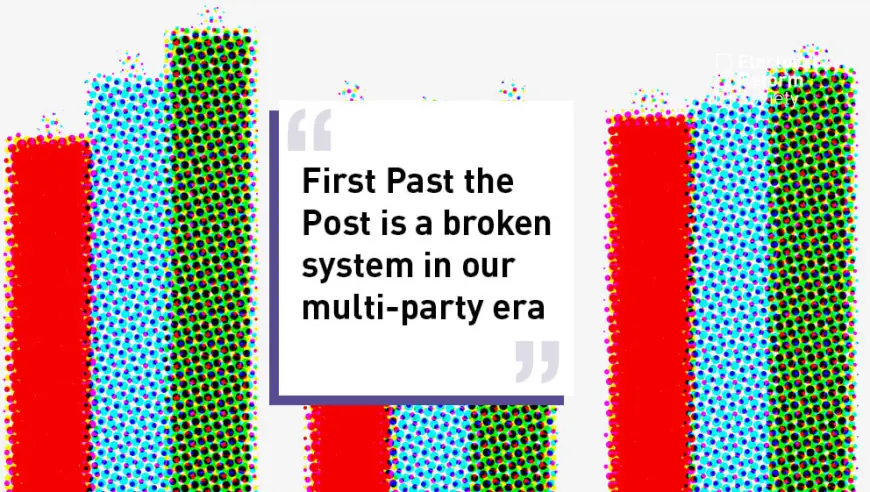
One persistent theme of the campaign has been tactical appeals. Labour repeatedly told left‑leaning voters that only its candidate could prevent Reform from taking the seat, while Greens urged supporters that their candidacy was a legitimate route for change. Critics of the electoral system note that with three strong parties contesting, First Past The Post can leave a winning candidate with fewer than a third of ballots — effectively sidelining the majority of constituents’ preferences.
Proportional and preferential systems are held up as alternatives where voters can rank choices and transfers reduce the pressure to vote tactically; that comparison has been raised repeatedly in analysis of this contest, arguing the current system forces conversations about who can beat whom rather than substantive policy debates.
Precedents and the political weather
This is the second Westminster by‑election since the general election. Earlier this cycle, Reform claimed a narrow victory in Runcorn and Helsby in Cheshire last May, taking a seat by a whisker. That earlier win formed part of a run in which the last ten consecutive Westminster by‑elections produced a different party from the one that had previously held each seat, a pattern commentators cite as evidence of current unpredictability.
Campaign drama has been brewing for months. Discussion about when and how Andy Burnham might return to Westminster has been active since at least last summer; a north‑west by‑election had been seen as an opening for him, but the prime minister intervened through Labour party rules to block Burnham’s bid to stand in Gorton and Denton for Labour. That decision is widely referenced as a factor shaping present dynamics.
Immediate implications for parties and voters
Here’s the part that matters for each side: a Labour win would offer a psychological boost after a difficult start to 2026 and a tangible argument that the party can hold left‑leaning ground in Greater Manchester without Burnham; a Reform victory would be used to argue continuing momentum, though commentators note a loss would expose limits to that claim; a strong Green showing would intensify questions about Labour’s appeal to progressives and the risks of splitting the left vote.
- Local voters: face tactical messaging that may overshadow policy debate.
- Labour: must weigh reputational fallout if it places behind Reform or the Greens.
- Reform: outcome will be pitched as evidence of momentum or its fragility.
- Greens: success would strengthen arguments about resurgent support on the left.
Signals that would confirm a next phase include the declared margin at 4am and whether the anti‑Reform vote appears concentrated behind a single challenger or split among the left‑leaning candidates. If the anti‑Reform vote splits more evenly, there is a clear path for a third party to slip through the middle.
It’s easy to overlook, but the intense focus on strategy in this contest has been compounded by hard‑edged campaign tactics: leaders used the visit trail to press negative narratives about opponents’ policies, and attack creative seen on social media has been cited as evidence of rising desperation in parts of the campaign.
The real question now is whether the result reorders momentum for the year ahead or simply becomes another example of volatile by‑election politics that shifts mood rather than parliamentary arithmetic.