




















Blueberry Recall 2026 Raises Risk and Uncertainty as 55,689 Pounds of IQF Fruit Are Pulled from the Supply Chain

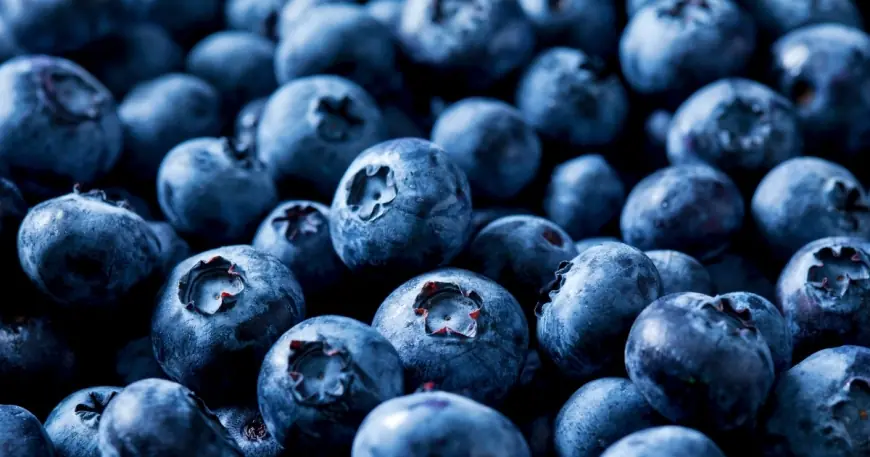
Blueberry Recall 2026 matters because regulators have escalated the action to the highest public-health alert while critical details about who produced and distributed the frozen fruit remain unresolved. The recall covers 55, 689 pounds of individually quick-frozen blueberries shipped across multiple jurisdictions, and the highest risk classification signals potential life‑threatening consequences for vulnerable groups if contaminated product reaches food operations or consumers.
Why uncertainty heightens the public‑health risk
The recall’s upgrade to a Class I classification signals a reasonable probability of serious adverse health consequences or death if exposure occurs. At the same time, the record shows two different company names tied to the supply chain: a family‑owned firm in Salem that initiated the recall notice and an enforcement notice that lists a different company as the producer—details that are unclear in the provided context. Here’s the part that matters: mixed or unclear traceability increases the chance affected lots remain in circulation among businesses.
Blueberry Recall 2026: what was recalled, where and how it was packaged
The recall covers 55, 689 pounds of Individually Quick Frozen (IQF) blueberries. The affected product was distributed in Michigan, Oregon, Washington and Wisconsin, and also in Canada. The fruits were not sold directly to consumers in retail stores but were moved between businesses within the supply chain. The recall was first issued on Feb. 12 and was upgraded to the most serious risk classification by the U. S. Food and Drug Administration on Feb. 24, 2026; the recall remains ongoing.
Affected packaging and lot details include:
- 30‑pound corrugated cases containing IQF blueberries packaged in polyethylene bags; expiration/best‑by dates run from July 23, 2027 to July 24, 2027. Lot codes for these cases are 2055 B2, 2065 B1 and 2065 B3. The cases use a specialized dual‑layered design.
- 1, 400‑pound bulk totes (Gaylord totes) with polyethylene liners; lot codes 3305 A1 and 3305 B1, both carrying an expiration/best‑by date of Nov. 25, 2027. Gaylord totes are heavy‑duty, industrial‑grade plastic bags placed in large bulk‑shipping containers.
The recall notification was initiated by email, and affected consignees were notified by email as part of the ongoing action. The regulatory announcement did not specify where the blueberries were sold at retail or how consumers may have come into contact with them. The U. S. Department of Health and Human Services and one company involved did not immediately respond to requests for comment.
Health risks, symptoms and groups most at risk
The potential contamination is with Listeria monocytogenes. The bacterium is commonly found in soil, water, sewage, rotting vegetation and animals and can exist in harvesting or processing environments; it can also survive and grow under refrigeration. Infection can cause listeriosis. Two clinical patterns are described in the record: a less‑severe, non‑invasive form with symptoms such as fever, muscle aches, nausea, vomiting and diarrhea; and a more‑severe, invasive form that can be life‑threatening and may include headache, stiff neck, confusion, loss of balance and convulsions. Groups named as especially at risk include pregnant people, newborns, adults over 65 (referenced also as older adults) and people with weakened immune systems. The public health notice advises anyone experiencing symptoms to consult a health care provider immediately.
Quick Q&A to clarify immediate implications
- Who issued the recall? A family‑owned business in Salem initiated the recall notice; an enforcement notice lists a different company as the producer—this discrepancy is unclear in the provided context.
- How much product is affected? The total quantity identified is 55, 689 pounds of IQF blueberries, often cited in coverage rounded as more than 55, 000 pounds.
- Where did those blueberries go? Distribution covered Michigan, Oregon, Washington, Wisconsin and locations in Canada; the product was moved within the supply chain rather than sold directly at retail.
The real question now is how many businesses still hold the affected lot codes and whether those lots are isolated from food‑service or processing operations. It's easy to overlook, but overlapping company names in notices can create real traceability problems for buyers and regulators alike.