














Cubans and Uncertainty After Deadly Shootout Offshore Cayo Falcones: What’s Still Unknown

Uncertainty and risk frame the fallout from a deadly exchange at sea that the Cuban Interior Ministry says involved cubans linked to a Florida‑tagged speedboat. The central questions are whether the confrontation will widen diplomatic tensions and how facts still under investigation — motive, chain of command and external involvement — will be resolved as probes proceed.
Immediate uncertainties for Cubans and regional stability
Here’s the part that matters: the incident combines violent loss of life with competing narratives, and investigators on both sides face unclear evidence about who fired first and why the vessel was operating so close to Cuban shores. The Interior Ministry framed the action as part of defending national sovereignty, while other reactions have characterized the episode as a provocation, raising the prospect of further diplomatic escalation. The real question now is whether ongoing inquiries will narrow those gaps or deepen mistrust.
What happened — consolidated details
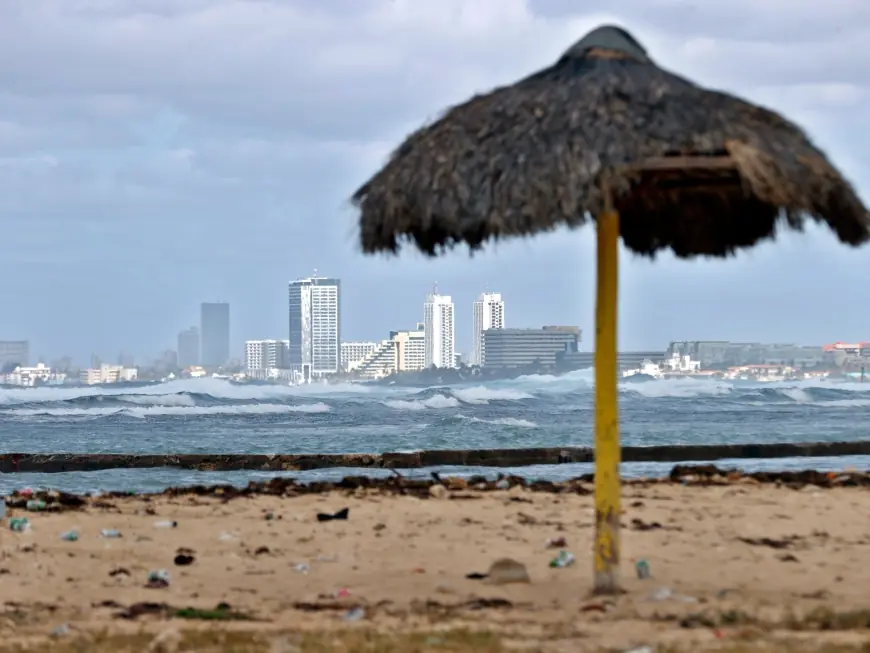
Cuban authorities say their border patrol forces engaged in a shootout with a speedboat described as carrying a licence plate from the state of Florida, a peninsula roughly 145 kilometres, or 90 miles, from the island. The exchange occurred on Wednesday morning offshore from the barrier island Cayo Falcones in Cuba’s north‑central Villa Clara province. The Interior Ministry said the speedboat fired first and that the crew’s actions led to the injury of the commander of the Cuban vessel.
The Interior Ministry said four people on the foreign vessel were killed and six were injured. One of the four deceased was identified as Michel Ortega Casanova. The ministry identified six suspects arrested on the boat and described them as Cuban residents of the United States. there were 10 men aboard who were accused of transporting guns, Molotov cocktails, bulletproof vests and camouflage.
Authorities also announced a seventh arrest inside Cuba of a person identified as Duniel Hernández Santos, described by the Interior Ministry as a citizen sent from the United States to facilitate reception of the armed infiltration. Cuban officials continue to lead an investigation.
Reactions and political fallout
International and domestic responses have sharpened tensions. A spokeswoman for Russia’s foreign ministry called the incident an aggressive provocation by the United States intended to escalate the situation and trigger a conflict. In the United States, the shooting has prompted a political backlash, particularly within the right‑wing Republican Party.
Florida’s attorney general, James Uthmeier, announced that his state would open a probe and that his Office of Statewide Prosecution would work with federal, state and law enforcement partners to begin an investigation. The attorney general also said the Cuban government could not be trusted and pledged efforts to hold those he called communists accountable. These moves signal parallel inquiries and political pressure that could complicate resolution.
Context, precedent and a short timeline
It is not the first time Cuban authorities say they engaged in a gunfight after intercepting US boats entering Cuban territory. Officials noted heightened tensions over the last two months between the US and Cuba, a period that shapes how this episode is being interpreted and managed by authorities and political actors.
- Wednesday morning: shooting offshore from Cayo Falcones, Villa Clara province.
- Interior Ministry statement: boat described with a Florida licence plate; ministry said the boat fired first and its commander was injured.
- Follow‑up: four dead, six injured; one deceased identified as Michel Ortega Casanova; six suspects arrested on the boat described as Cuban residents of the United States; a seventh arrest in Cuba identified as Duniel Hernández Santos.
Brief Q&A to clarify the immediate implications
Q: Who is under arrest?
A: Six suspects were arrested on the boat and described as Cuban residents of the United States; a seventh person was arrested inside Cuba and identified as Duniel Hernández Santos.
Q: What items were the men accused of transporting?
A: The Interior Ministry said the accused men were carrying guns, Molotov cocktails, bulletproof vests and camouflage.
It’s easy to overlook, but the Interior Ministry’s emphasis on national sovereignty will shape both public messaging and legal steps as Cuban officials continue their probe. The intersection of casualty figures, arrests, and competing political narratives makes this a case likely to evolve as more evidence is reviewed.