

























Sydney Hospital Fungus Cluster Claims Two Lives

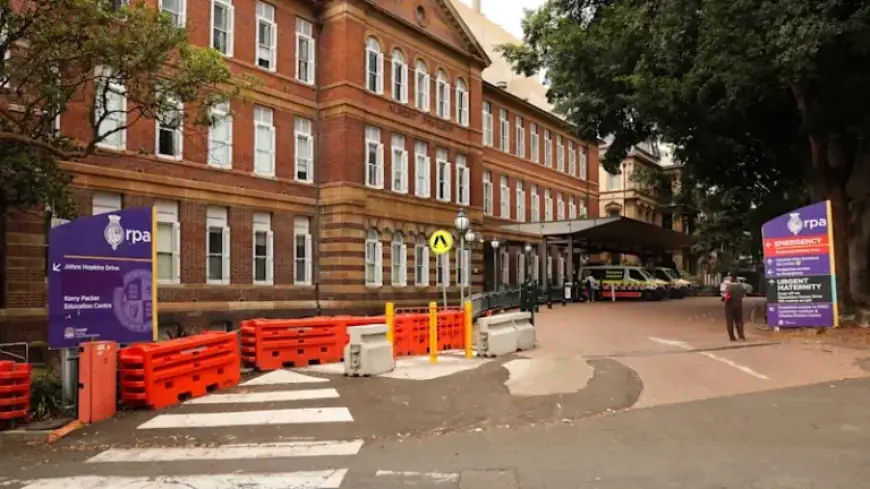
Two unfortunate deaths and four severe illnesses have occurred due to a fungal cluster at Royal Prince Alfred (RPA) Hospital in Sydney. This outbreak is tied to construction activities within the hospital, particularly affecting patients in the transplant unit.
Sydney Hospital Fungus Cluster Investigation
The Sydney Local Health District (SLHD) revealed that six patients in the transplant unit experienced fungal infections between October and December. Sadly, two of these patients succumbed to the infection.
Coping with Aspergillus
The infections were caused by Aspergillus, a common mold found in soil and damp environments. While most strains of Aspergillus are harmless, they can pose serious health risks to individuals with weakened immune systems, asthma, or lung diseases.
In response to the cluster, RPA Hospital initiated an investigation upon noticing an abnormal rise in fungal infections among transplant patients. Construction on the hospital’s $940 million redevelopment project began in 2023, with completion expected in 2029.
Immediate Actions Taken
- Patients from the affected ward were relocated to ensure their safety.
- A remediation team conducted a thorough cleaning and upgraded the air filtration system.
- Air quality testing was performed, confirming no elevated Aspergillus levels post-remediation.
Patients and outpatient contacts were promptly advised regarding the situation, and some received antifungal medications as a precaution. An advisory panel led by NSW Chief Health Officer Dr. Kerry Chant determined the transplant ward was safe to reopen earlier this month.
Expectations Moving Forward
NSW Health plans to collaborate with construction contractors to ensure all findings from the investigation are addressed. The hospital has faced scrutiny, particularly regarding transparency about the outbreak. Opposition health spokeswoman Sarah Mitchell criticized the delay in informing the public about the fungal cluster, stating that patients come to hospitals to heal, not to face life-threatening infections.
In light of these recent events, concerns about patient safety and infection control practices in hospitals are heightened. Organizations such as Transplant Australia have voiced the need for increased safeguards for vulnerable populations in health care settings. The tragic impact of these events serves as a reminder of the importance of maintaining rigorous health standards in medical facilities.