















Jeff Galloway, Olympian and pioneer of the run/walk method, dies at 80

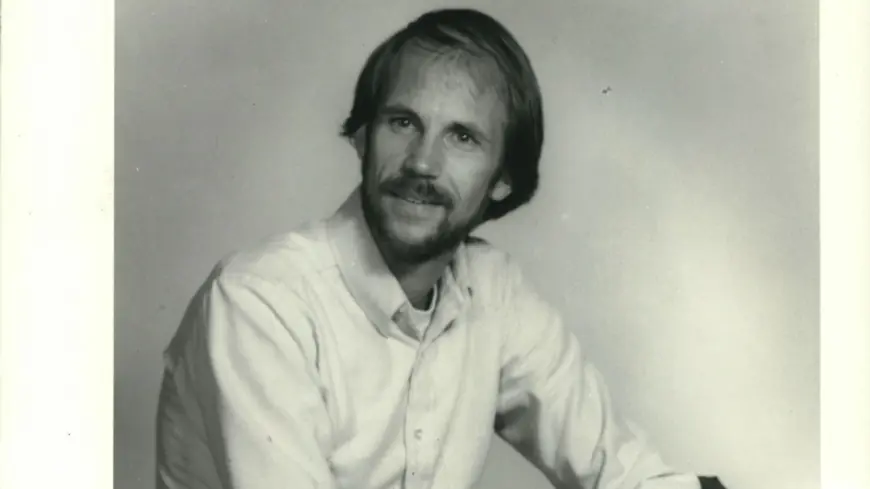
jeff galloway, a member of the 1972 U. S. Olympic team who popularized the run-walk-run strategy for elite and everyday runners, died Wednesday at age 80 after a hemorrhagic stroke, his daughter-in-law Carissa Galloway said. He died at a hospital in Pensacola, Florida following emergency neurosurgery announced by his family on Feb. 20.
Jeff Galloway's run-walk legacy
Galloway turned his run-walk approach into a worldwide coaching method that he began teaching in 1974 at Florida State University, two years after competing in the 10, 000 meters at the 1972 Olympics. He founded running stores, running groups, running camps and running travel; wrote a best-selling training book; and served as the official training consultant for runDisney, where he would be among the runners. He shared his philosophies through books, websites and retreats and continued to adapt into social media, podcasts and race promotion.
Cause of death, recovery efforts and public response
Family members announced emergency neurosurgery on Feb. 20 and invited the public to express support. Throngs of people posted videos online hoping for his recovery from the surgery and thanking him for advice that took them to race starting lines. Runner’s World and other outlets said he died from complications following a stroke and brain bleeding; the earlier description provided by family identified the event as a hemorrhagic stroke. A message posted on Galloway’s Instagram account Wednesday informed followers of his death and said, in part, "Jeff spent his life proving that anyone could cross a finish line. " The said he is survived by two sons and six grandchildren.
From Raleigh and Wesleyan to the Olympic track
Born John F. Galloway and called Jeff, he grew up in Raleigh, North Carolina, the son of a naval officer. By 1958, in eighth grade, he had attended 14 schools. After struggling academically and arriving as an overweight child with no sports experience, he tried cross-country and found running rewarding. At Westminster Schools in Atlanta he ran a 4: 28 mile and won a state high school two-mile championship in 9: 48 at age 17. He went on to Wesleyan University in Connecticut, where he was All-American and improved to a 4: 12 mile and 14: 10 for three miles. He qualified for the 10, 000 meters at the 1972 Olympic Games and finished fifth in the Boston Marathon in 1973.
Military service and coaching career
At the height of conscription for the Vietnam War, Galloway signed for the officer program of the U. S. Navy and served three years, including 18 months of active duty as a gunnery officer off the coast of Vietnam; on brief shore visits he prioritized running to relieve stress. After service he pursued teaching and continued to test his potential as a runner. In 1974 he devised the run-walk-run pattern to help groups of beginners finish 5Ks and 10Ks; he described starting classes that used walking with brief one-minute jogs so no one was "huffing and puffing, " and he adjusted walk breaks so groups finished with smiles.
Endurance anecdotes and community reaction
Galloway believed walking during runs reduced injury risk, conserved energy and preserved confidence. He once walked through every water station in the 1980 Houston Marathon and finished in 2: 16: 35, faster than his previous run-only marathons, the Times reported. He survived heart failure in 2021 and had logged more than 230 marathons; he told in December, "My mission now, at the age of 80-plus, is to show that people can do things that are normally not done, and can do them safely. " Jim Vance, an elite endurance sports consultant in San Diego, called Galloway a "pioneer" who "removed the barrier to entry" for many would-be runners.
Voices of runners he helped
Admirers shared personal stories: Karen Bock-Losee of Jacksonville, Florida, said in a video she never thought she would be a runner but has run several races since her 60th birthday after discovering Galloway’s method; Susan Williams recalled the 2011 Murray, Kentucky half marathon when Galloway passed her, turned back and talked her through a cramp. Many followers and clients described him as a mentor who made running accessible.
Funeral arrangements and other next steps are unclear in the provided context.