
























Michael Barron: Emmerdale and Hollyoaks actor died during 'extreme' sex session as man jailed for four years

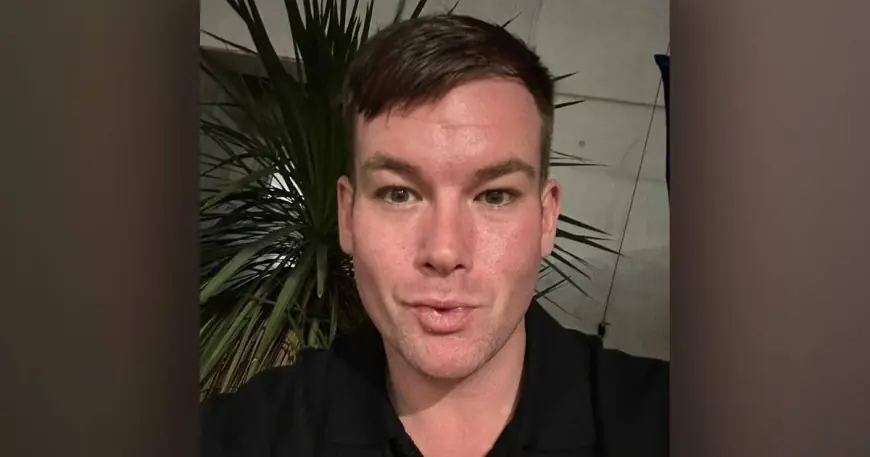
Michael Barron died aged 38 after an "extreme" sexual encounter that involved rope and suffocation. The man involved, Josh Baxter, 28, has been jailed for four years after a jury found him guilty of intentional strangulation or suffocation and unlawfully inflicting grievous bodily harm; he was found not guilty of manslaughter.
Michael Barron: acting career and local profile
Michael Barron was known for having starred in both Emmerdale and Hollyoaks during his acting career. He was originally from Ireland and was described as a prominent figure in Liverpool's LGBT nightlife scene and a budding actor. He died at the age of 38.
The encounter: messages, meeting and what happened that night
Barron and Josh Baxter connected on a dating app and exchanged explicit messages before Barron arrived at Baxter's flat. Their early conversation included general topics such as favourite movies, then turned to each man's sexual limits.
Evidence given at trial described an encounter in which Baxter tied Barron up with rope, placing him face down in the bed, and repeatedly choked him. Barron was reportedly suffocated for at least 30 minutes. Prosecutors said the choking fractured a bone and cartilage in Barron's neck and that he later suffered a cardiac arrest after a lack of oxygen to the brain.
On the same night, after the sexual contact, Baxter ordered a takeaway on Deliveroo, messaged several other men on the dating app, and searched online with the query: "If you accidentally kill someone by strangling them in sex do you go to prison. "
Trial, verdict and sentence
Baxter denied manslaughter, intentional strangulation or suffocation, and unlawfully inflicting grievous bodily harm during a trial in January. A jury found him not guilty of manslaughter but guilty of intentional strangulation or suffocation and unlawfully inflicting grievous bodily harm. He was jailed for four years.
During sentencing, the judge was recorded as expressing that Baxter had ignored warnings about the dangers of choking and had demonstrated little insight or acceptance of responsibility. The judge noted Baxter had encouraged Barron to become extremely drunk and had told the court that choking had been used during the sexual activity to such an extent that it caused a fracture to neck bone and cartilage. The judge rejected Baxter's claim of remorse and described his understanding of consent as poor and his insight into the risk of harm as limited.
In the provided context the judge's name appears in two spellings: Tina Lindale and Tina Landale.
Evidence of sexual interests, consent discussions and background messages
Prosecutors presented messages and accounts showing both men had discussed sexual preferences before meeting. Prosecutors described Baxter as having "quite specific sexual interests" and outlined messages in which Baxter said he liked it "rough" and asked whether Barron would allow him to choke him, tie him up, pull his hair, spit on him, call him names, get him so drunk he was weak and defenceless and punch him.
They also set out that Barron had stated he liked to be tied, gagged, hooded, totally helpless and that he liked pain and torture. Baxter told the court that Barron did not want to use a safe word during their sexual contact.
Legal context and judicial remarks
The judge noted that, even where activity had been consensual, Parliament had ruled such high-risk choking activity to be inherently dangerous and that the public should be protected from serious injury or unreasonable risk. The judge also recorded that Baxter had admitted to a probation officer that he had repeatedly choked Barron while he was tied face down with rope.
Prosecutors characterised Baxter's motivation as sexual interest in high-risk activity, while Baxter's legal team maintained he had not intended to cause harm. The court heard conflicting accounts on intent; the jury's verdicts and the sentencing remarks reflect the distinctions the court drew between manslaughter and the offences of intentional strangulation or suffocation and unlawfully inflicting grievous bodily harm.
Aftermath and outstanding points in the provided context
The provided materials record the conviction, the four-year sentence, details of the encounter and the exchanges leading up to it, and the medical cause of death noted in trial material: cardiac arrest following a lack of oxygen to the brain. Any further details beyond those set out in the provided context are unclear in the provided context.