

























Sony Wf‑1000xm6 Earns High Marks — But One Comfort Problem Keeps It From Perfection

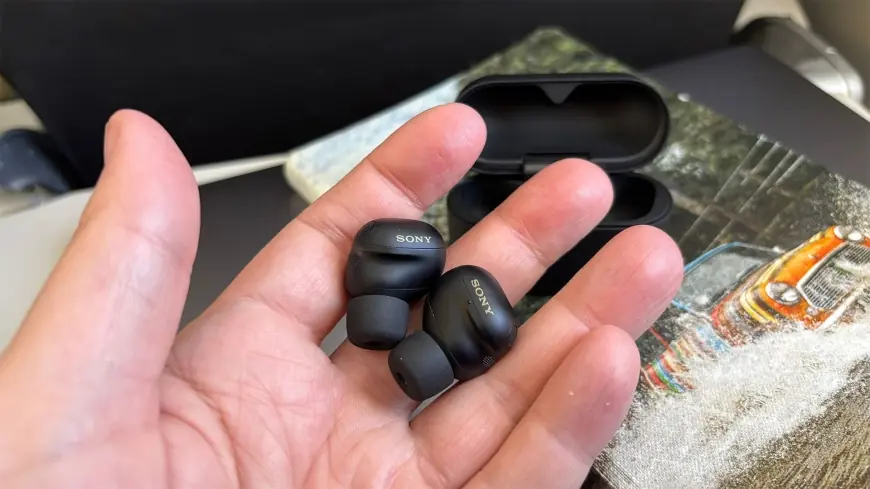
Early testing of the sony wf‑1000xm6 highlights a strong generational upgrade in sound, noise cancellation and internal hardware, yet many listeners encounter a lingering eartip comfort issue that Sony has not addressed. That trade-off matters because fit influences noise isolation, all-day comfort and how users experience the improved audio and ANC.
Sony Wf‑1000xm6: The persistent eartip issue
One of the most consistent notes in early hands-on impressions is that the eartips remain the weak link. Sony has retained a hybrid polyurethane tip first introduced in an earlier model; it is described as feeling like a cross between silicone and foam with thousands of tiny bubbles intended to secure a tighter fit and aid noise dissipation. Despite tweaks to the earbud housing, the tip material and available sizes did not change for this generation, leaving some listeners feeling the tips are not pliable enough and that they sometimes push against the ear rather than settling comfortably.
Those who struggled with fit on prior generations will likely want to try multiple sizes and experiment with positioning. Observers note that the same tip design has offered only small size variants over several generations — small, medium, large and an extra-small introduced previously — while an extra-large option is not present. For listeners who prioritize immediate, consistent comfort without fiddling, alternative earbud tips from other brands have been singled out as feeling thicker, shallower, or otherwise less intrusive.
Where the sony wf‑1000xm6 improves: hardware, ANC and connectivity
The sony wf‑1000xm6 is positioned as a technical refinement over its predecessor rather than a reinvention. Internally, the earbuds adopt an updated HD Noise Cancelling Processor QN3e and expand the microphone array to sharpen environmental detection, particularly in mid-to-high frequency ranges common in public transit and busy urban settings. Upgraded internal signal processing aims to boost resolution and clarity across the frequency spectrum, while a slightly larger housing accommodates the new components and adjusts contouring for improved weight distribution.
Connectivity is advanced as well: both generations support modern Bluetooth standards and high-resolution wireless audio, including LDAC and multipoint pairing, but the newer model improves Bluetooth stability and adds next-generation codec compatibility that moves it toward future formats like LE Audio. Battery endurance remains essentially unchanged, with roughly eight hours of playback with active noise cancellation enabled and the charging case extending total listening time to around 24 hours; quick-charge capabilities are preserved.
How the XM6 stacks up against rivals in early comparisons
Initial head-to-head testing places the sony wf‑1000xm6 alongside top premium competitors. The new earbuds list at $330 and are described as a noticeable upgrade over the previous flagship, offering strong sound and excellent noise cancellation. Competing models emphasize different strengths: some rivals use foam-infused tips that feel thicker and more substantial for comfort; others use shallower silicone domes that avoid deep insertion while still sealing effectively. Some competitors have also added features like wireless charging for the case, wax guards on eartips to prevent clogging, and immersive audio modes that widen the soundstage for video content.
For buyers weighing the xm6, the decision often comes down to priorities: if advanced ANC, refined internal processing and future-proofed connectivity are paramount, the sony wf‑1000xm6 presents a strong proposition. If immediate, out-of-the-box comfort is the top concern, the unchanged tip material and size choices may push some listeners toward alternatives or toward sourcing third-party tips that better match their ear shape.
Recent updates indicate these observations are drawn from early testing and comparison pieces; details may evolve as more long-term user feedback and accessory options emerge. Prospective buyers should try fit options in person where possible and consider aftermarket eartips if comfort proves limiting.