






Magic Vs Lakers — How a trust-first finish and Paolo Banchero’s 36 reshaped Orlando’s late-game identity

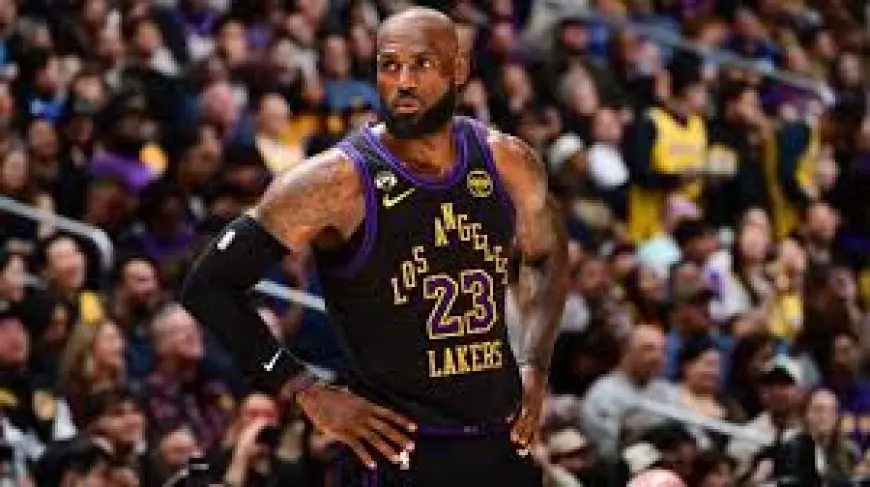
Who felt this result first were the Magic players and their coach: the win reinforced the belief in their scheme, personnel and execution. In the magic vs lakers comeback in Los Angeles, Paolo Banchero’s 36 points and a sequence that began with a 42. 3-second rebound and ended with Desmond Bane’s late 3 forced a one-point, 110-109 victory that leaned more on trust than a single superstar play.
Immediate impact on Orlando’s locker room and trust
The headline effect was psychological. The victory cemented multiple layers of trust for Orlando: confidence in the system, in individual reads, and in teammates’ willingness to take—and make—crowded shots. Paolo Banchero finished with 36 points, his most in four weeks and his second-most of the season, and his actions in the closing minute set the table for teammates to capitalize.
Months of practice and line chemistry were visible in a single sequence: a rebound, a drive into the paint off a Wendell Carter Jr. screen, and a pass that left a struggling shooter open enough to swing the game. That kind of finish makes the win feel like proof of a larger identity rather than a single lucky outcome.
Magic Vs Lakers — the decisive minute and how it unfolded
The closing sequence compressed several specifics into under a minute. Orlando trailed by two when Banchero grabbed a rebound of a missed LeBron James free throw with 42. 3 seconds left. On the next possession, Banchero used a screen from center Wendell Carter Jr., got two feet into the paint, hesitated instead of finishing through contact and found a better option outside after reading LeBron James’ tag on the screen and Deandre Ayton’s positioning.
Both corners were occupied: Anthony Black was on the weak side and struggling with his shot; Tristan da Silva was on the strong side and had made 3-of-5 3s, which limited Rui Hachimura’s ability to sag. That left Desmond Bane—who had missed six of his first seven attempts and is a 39 percent 3-point shooter—open. A crucial play featured Desmond Bane hitting a 3 off a pass from Paolo Banchero with 35. 4 seconds remaining; that go-ahead shot forced a Lakers timeout with 34. 6 seconds left.
Lakers’ late answers and the coaching calculus
Los Angeles answered immediately in bits and pieces. Luka Dončić set up Rui Hachimura for a corner 3 that missed everything and Orlando failed to secure the rebound. On the ensuing baseline out-of-bounds, Dončić found a cutting LeBron James for a go-ahead dunk after Anthony Black failed to help Jonathan Isaac off a Reaves back screen. Later, LeBron James missed a desperation turnaround 3 following a belated pass from Luka Dončić.
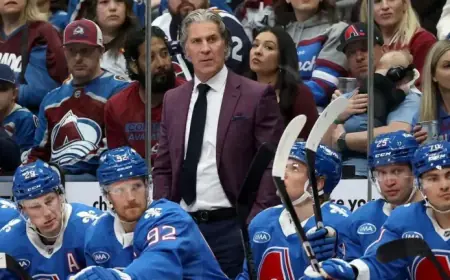
Magic coach Jamahl Mosley chose not to use a timeout with 26. 3 seconds left; he preferred the personnel on the floor—Dončić, James and Reaves alongside Ayton and Hachimura (who was in instead of starter Marcus Smart)—and wanted the possession to play out live. He said, "Well, you can call the timeout, then they have time to draw their play, " and the available text cuts off after that (unclear in the provided context).
Signals, players affected, and small numbers that mattered
Here's the part that matters: a handful of precise choices, rotations and shots produced the margin. What each named player did in the final minute changed how the result will be remembered.
- Paolo Banchero: 36 points (his best in four weeks; second-best this season) and a 42. 3-second rebound that initiated the decisive possession.
- Desmond Bane: hit the critical 3 after a Banchero pass with 35. 4 seconds on the clock; the make forced a Lakers timeout with 34. 6 seconds left despite a poor shooting night earlier.
- Rotation details: Banchero used a Wendell Carter Jr. screen and read LeBron tagging Wendell while Deandre Ayton faced him; both corners were occupied by Anthony Black (struggling) and Tristan da Silva (3-of-5 from deep).
- Late-game plays: Dončić’s missed Hachimura corner 3, the failed rebound, and the out-of-bounds sequence that led to James’ go-ahead dunk all landed inside the final 30–40 seconds.
What’s easy to miss is how many separate, small read-and-react details had to align—screens, tags, weak-side positioning and who rotated—so one confident pass could win a game.
Short rewind and context line
Earlier in the same stretch of games Orlando had reasons to doubt and to rebuild trust: they were beaten on a buzzer in double overtime by the Phoenix Suns’ Jalen Green on Saturday night, and in the next game the LA Clippers’ Bennedict Mathurin had a chance to beat Orlando with a final shot but failed to capitalize. Those near-misses make Tuesday night’s 110-109 comeback in Los Angeles feel like a partial restoration of confidence.
The real test will be whether the tight finishes become a pattern of execution or remain isolated moments—both teams and coaches now carry fresh evidence that one guarded rotation can flip a scoreboard.