






















Nick Cannon’s Family Moment in West Hollywood and Lil Kim’s Raw Take on Fans — What It Means for Parents and Audiences

Why this matters now: A routine public outing and a blunt interview exchange together highlight two overlapping pressures—parenting in public and artists managing fan expectations. When nick cannon steps out with several of his children and a legacy artist calls out fans on his program, it creates a small case study about visibility, logistics and audience entitlement that matters for parents, performers and their followers.
Nick Cannon’s public parenting and how it reads for families and fans
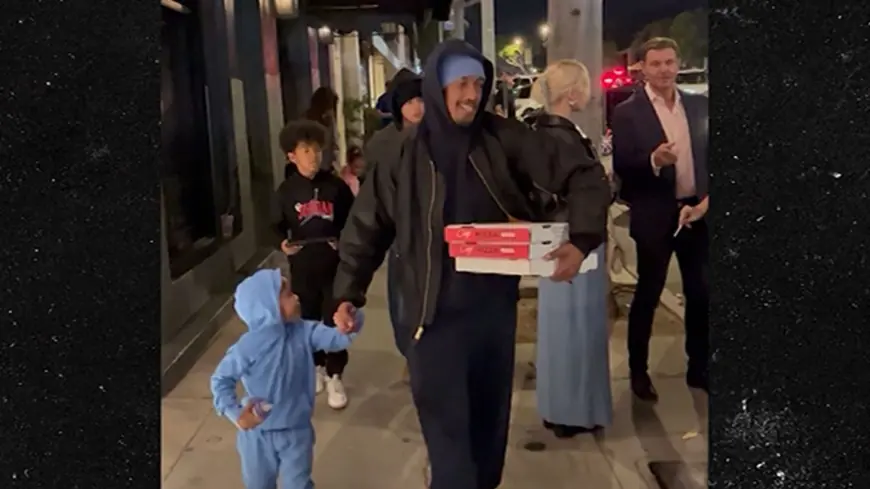
The image of a well-known father leaving a West Hollywood restaurant with five children and pizza boxes is straightforward on the surface but useful as a practical example. For family observers it underscores the logistical realities of active parenting in the spotlight: coordinating multiple pick-ups, arranging meals on the go and managing fragmentary family time. For fans, it’s a reminder that public appearances are often ordinary parenting tasks, not curated moments designed for consumption.
Here's the part that matters: nick cannon has been portrayed as an active parent who moves between houses to see his children, and this outing with five youngsters — fewer than the full number of children he’s known to have — reinforces the juggling act many multi-household parents face. What’s easy to miss is that even small public scenes like a dinner pickup can shape how audiences perceive a celebrity’s priorities and privacy.
Event details — the outing and the interview echoes
The public outing involved the father leaving a West Hollywood eatery with five of his children, carrying pizza boxes and a bag; it was not clear whether the group dined at the restaurant or picked up takeout. Context from previous remarks notes his active approach to parenting and that one of his children died in 2021 when the child was five months old. Those facts frame why casual family moments can attract attention.
Separately, on the same public platform, a legacy artist spoke candidly about tensions with fans. She said some followers misunderstand or try to control an artist, and she suggested that certain fan behaviors can hold creatives back. The host characterized those intense followers with strong language commonly used for obsessive fan behavior. The artist pushed back toward personal elevation and insisted she will continue to move forward on her own terms; she also indicated plans to make a film to present her version of past events, explaining that an earlier biopic was not accurate. The conversation highlights a common thread: artists balancing audience affection with boundaries around creative direction.
If you're wondering why this keeps coming up, it’s because both moments—an ordinary parenting errand and a frank interview—converge on expectations. One shows the private work behind public life; the other shows the frustration when audiences try to define that life for performers.
- Quick facts (kept tight): outing involved five children and takeout-style items; the parent has discussed an active parenting rhythm and has more children than those present at this outing.
- The interview exchange focused on fans who behave possessively, the artist’s move toward self-directed career choices, and a planned film intended to correct a past portrayal.
The real test will be how these kinds of moments are received: whether audiences treat casual family scenes as private life snapshots or continue to turn them into public narratives, and whether artists can push for creative control when persistent fan narratives remain loud.
Micro Q&A
Q: Does a public dinner change how a parent manages privacy?
A: Not by itself, but recurring public visibility can force families to adopt clearer boundaries and routines to protect children’s daily life.
Q: Can an artist reset fan expectations on a public platform?
A: Direct conversations about boundaries help, and signaling creative moves—like making a film to tell an alternate version—can shift the narrative over time.
What’s easy to miss is how small, ordinary scenes and candid interviews function together: they aren’t isolated headlines but pieces of a larger conversation about visibility, agency and the friction between personal life and public expectation.